






Why Your Hot Water System Matters at Home
A hot water system is one of those household essentials most people rarely think about — until it stops working. From showers and dishwashing to laundry and everyday cleaning, reliable hot water supports the rhythm of daily life in Australian homes.
When a system reaches the end of its lifespan or struggles to keep up with demand, replacing it isn’t just a maintenance task. It’s also an installation decision. Choosing a system that suits how your household uses water — and can be installed correctly in your home — avoids unnecessary running costs and performance issues later on.
Understanding the different system types and how installation affects performance makes the decision far simpler.
What Happens When a Hot Water System Is No Longer Fit for Purpose?
Ageing or poorly matched systems tend to show their limits gradually rather than failing all at once.
• Water temperature fluctuates or runs out during peak use
• Recovery time stretches longer between showers
• Energy use climbs without obvious benefit
• Components work harder, shortening system lifespan
In some cases, these issues escalate quickly and require urgent attention. When hot water fails suddenly or leaks cause damage, access to emergency plumbers in Sydney can make the difference between a simple fix and a major repair.
The Four Main Types of Hot Water Systems Used in Australian Homes
Most residential systems fall into one of four categories. Each works differently and comes with its own installation considerations.
1. Electric Hot Water Systems
Electric hot water systems are widely used across Australia and remain a familiar option for many households.
How electric systems work
These systems heat water using an internal electric element inside a storage tank. Heated water is stored and drawn as needed, with tank sizes varying to suit household usage.
Installation considerations
• Requires adequate electrical capacity
• Tank size must match household demand
• Can often replace existing electric systems with minimal changes
• Indoor and outdoor installation options available
Some households also explore electric instant hot water systems, which heat water on demand and remove the need for a storage tank altogether.
2. Gas Hot Water Systems
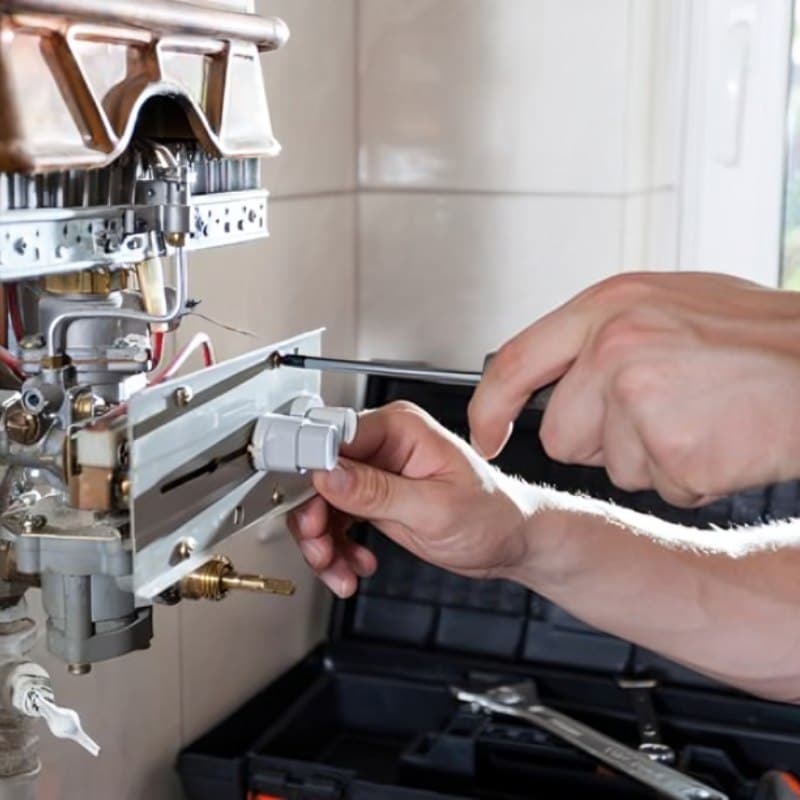
Gas hot water systems are chosen for their strong performance and fast recovery, particularly in busy households.
How gas systems operate
Water is heated via a gas burner, either in a storage tank or through a continuous flow unit that heats water on demand.
Installation considerations
• Requires gas supply (natural gas or LPG)
• Proper ventilation and flue placement are critical
• Pipe sizing must support demand
• Positioning affects efficiency and compliance
Correct installation ensures safe operation and consistent hot water delivery during peak usage.
3. Solar Hot Water Systems
Solar hot water systems rely on solar collectors to capture heat and reduce reliance on grid energy.
How solar systems work
Roof-mounted collectors absorb heat and transfer it to water stored in a tank, supported by a booster system when needed.
Installation considerations
• Roof orientation and structural suitability matter
• Collector placement affects efficiency
• Storage tank location must allow safe pipe runs
• Booster type influences performance consistency
A proper site assessment is essential to ensure reliable year-round performance.
4. Heat Pump Hot Water Systems
Heat pump systems provide an efficient alternative to traditional electric units.
How heat pump systems function
They draw warmth from the surrounding air and transfer it into stored water, using electricity to move heat rather than create it.
Installation considerations
• Requires sufficient airflow around the unit
• Noise placement should be considered
• Works best in well-ventilated outdoor areas
• Drainage and clearances must be planned
Correct placement plays a key role in long-term efficiency.
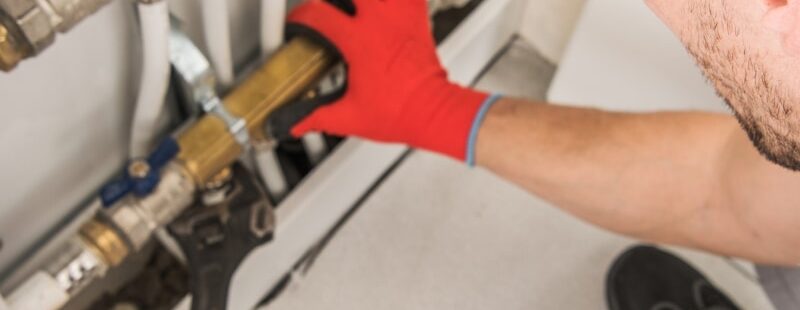
Why Professional Installation Matters
Even the best hot water system won’t perform properly if it’s poorly installed. Installation quality directly affects:
• Heating efficiency
• Water pressure and recovery time
• System lifespan
• Safety and compliance
• Warranty validity
For homeowners who want to explore their options further, taking a look at available hot water systems in Sydney can help clarify what’s available and which setups suit different household needs.
Choosing the Right System and Installation Approach
When it comes to choosing the best hot water system for your home, the ideal setup balances system type with practical installation factors, including:
• Household size and usage patterns
• Available energy sources
• Space and access for installation
• Future maintenance needs
• Budget for upfront and ongoing costs
A system that suits the household but not the home layout can create ongoing issues, which is why these decisions should always be considered together.
Final Thoughts
A reliable hot water system works quietly in the background, delivering consistent comfort without fuss. Choosing the right unit — and ensuring it’s installed correctly — makes everyday tasks smoother and avoids avoidable breakdowns.
When hot water matters — and it always does — the right system and proper installation make all the difference.