

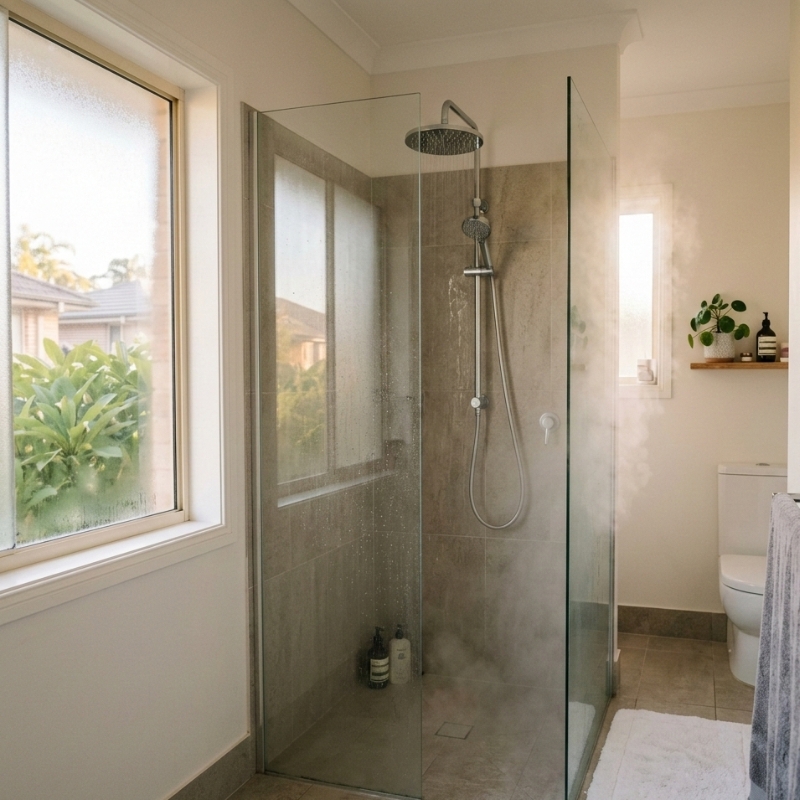
Why Your Shower Runs Cold (And What To Check First)
There’s nothing worse than stepping into a hot shower on a chilly Sydney morning — only for it to suddenly run cold.
If your shower runs cold after a few minutes, goes cold when someone uses another tap, or never heats properly at all, the issue is almost always connected to your hot water system, water pressure balance, or shower fittings.
The key is knowing how to narrow it down.
This guide walks you through what to check first, how to tell whether the problem is isolated to the shower or affecting the whole house, and when it’s time for professional hot water system troubleshooting.
First Question: Is It Just the Shower — or the Whole House?
Before assuming your hot water system is failing, test this:
• Turn on a hot tap at the bathroom basin
• Check the kitchen hot tap
• If safe, test another shower
If only the shower runs cold
The issue is likely:
• Shower mixer cartridge
• Tempering valve affecting that line
• Blocked or restricted showerhead
• Pressure-balancing problem
If all taps run cold
The problem is likely:
• Hot water system thermostat
• Heating element (electric units)
• Gas supply or ignition issue
• System capacity being exceeded
• Sediment buildup in the tank
This simple test saves time and avoids unnecessary guesswork.
Why Does My Shower Go Cold After 5–10 Minutes?
This is one of the most common complaints in Sydney homes.
If your shower starts hot and gradually turns cold, it usually means:
1. The System Is Running Out of Stored Hot Water
Storage tank systems only hold a set amount of heated water. Once it’s used up, incoming cold water replaces it.
Common causes:
• Multiple showers running at once
• Dishwasher or washing machine using hot water
• Larger households with morning peak demand
• Undersized system for the home
Older homes in Sydney often have tanks sized for smaller households. If your family has grown or water usage has increased, your system may simply be undersized.
2. A Failing Heating Element (Electric Systems)
If the water reheats too slowly, or one element has failed, you’ll notice:
• Shorter hot showers
• Lukewarm water instead of properly hot water
• Longer recovery times
This requires a licensed inspection.
3. Thermostat Issues
A faulty thermostat can:
• Cut heating cycles short
• Deliver inconsistent temperatures
• Cause overheating followed by shutdown
This is not a DIY adjustment unless you are qualified — especially with electric systems.
Why Does My Shower Go Cold When Someone Uses Another Tap?
This points to a pressure imbalance.
When someone:
• Flushes a toilet
• Turns on a washing machine
• Uses a kitchen tap
Cold water pressure may drop suddenly, allowing more cold than hot to flow through the mixer.
In modern systems, pressure-balancing or thermostatic mixing valves help regulate this.
In older Sydney properties, particularly pre-2000 builds, these systems may not function as effectively.
Quick Test
• Ask someone to turn on a cold tap while you’re in the shower
• If the temperature drops immediately, a pressure imbalance is likely
This does not necessarily mean your hot water system is failing — but it may indicate outdated plumbing components.
What Is a Tempering Valve — and Could It Be the Problem?
Tempering valves (or thermostatic mixing valves) regulate the maximum temperature delivered to bathrooms to reduce scalding risk.
In NSW, temperature control devices are required in certain installations to ensure safe delivery temperatures. You can read about these requirements on the NSW Government site:
When a tempering valve begins to fail, you may notice:
• Water won’t get properly hot
• Temperature fluctuates randomly
• Shower runs hot briefly then cools
• Only bathroom fixtures are affected
Tempering valves typically last 5–8 years, depending on water quality.
In Sydney areas with harder water or sediment, internal components can wear faster.
Why Is Only My Shower Cold — But Other Taps Are Hot?
If kitchen and bathroom taps deliver hot water but the shower doesn’t, focus on the shower fitting.
Likely causes include:
Worn Mixer Cartridge
Mixer cartridges regulate hot and cold flow. When worn:
• Temperature becomes inconsistent
• Shower may default to cold
• The adjustment range reduces
Blocked Showerhead
Sediment buildup can restrict hot flow.
To test:
• Remove showerhead
• Turn on the water briefly
• If the temperature improves, clean or replace the head
Faulty Pressure-Balancing Valve
These internal components maintain temperature when water pressure shifts. Failure leads to sudden cold bursts.
Unlike cleaning a showerhead, cartridge or valve replacement should be handled by a licensed plumber.
Could Sediment Be Causing My Shower to Run Cold?
Yes — especially in older storage systems.
Over time, sediment settles at the bottom of the tank. This can:
• Reduce heating efficiency
• Shorten hot water duration
• Cause rumbling noises
• Lead to overheating and shutdown
Sydney homes with ageing tanks often see reduced performance after 8–10 years.
Regular hot water system maintenance tips include periodic inspection and flushing (performed professionally).
Gas vs Electric: Does It Change the Diagnosis?
Yes.
Gas Systems
If your shower runs cold in a gas system, check:
• Is the pilot light out?
• Is the gas supply active?
• Are there ignition clicking sounds without ignition?
Gas supply interruptions or faulty ignition systems often cause complete hot water failure.
Electric Systems
Common issues include:
• Burnt-out heating elements
• Tripped circuit breaker
• Thermostat malfunction
Electric systems often show a gradual performance decline before total failure.
When to Call a Licensed Plumber
Stop DIY checks and arrange professional hot water system troubleshooting if:
• No taps produce hot water
• You smell gas
• Circuit breakers trip repeatedly
• Water is discoloured
• You hear banging or popping from the tank
• Temperature fluctuates unpredictably
Licensed plumbers can safely inspect elements, thermostats, tempering valves and internal components.
If the issue is beyond minor shower fittings, proper diagnosis prevents unnecessary replacement.
How Sydney Homes Differ
Local housing factors matter.
Apartments
• Shared pressure fluctuations
• Compact storage systems
• Higher simultaneous use
Freestanding Houses
• Older pipework
• Larger tanks with sediment risk
• Multiple bathrooms increase demand
Peak demand between 6–9 am is the most common time for showers running cold.
Simple Homeowner Checklist (Safe Checks Only)
Before calling a plumber:
• Check if other taps are hot
• Confirm power supply or gas is active
• Inspect the showerhead for blockage
• Ask if someone else used hot water
• Note how long the water stays hot
• Listen for unusual tank noises
Avoid:
• Adjusting gas components
• Opening electrical panels
• Tampering with valves
If unsure, it’s safer to arrange a professional assessment.
Q&A: Common Shower Temperature Questions
Why does my shower go cold after exactly 10 minutes?
That typically signals the tank has been depleted and cannot recover fast enough. This is common in undersized systems or when multiple appliances are running.
Why is my shower lukewarm but not fully cold?
This may indicate:
• Thermostat set too low
• Failing heating element
• Tempering valve partially restricting temperature
Can low water pressure make my shower cold?
Yes. If cold pressure drops suddenly, the mixer may allow more cold water through than hot, shifting the temperature balance.
How long should a standard hot shower last?
For a typical 250L storage system in a 3–4 person Sydney household, you should expect approximately 15–25 minutes of consistent hot water, depending on usage and temperature settings.
If yours is significantly shorter, inspection is worthwhile.
Preventing Future Cold Showers
Most temperature failures are gradual, not sudden.
Preventative steps include:
• Annual inspection of valves and elements
• Checking thermostat settings
• Monitoring recovery time
• Replacing ageing tanks proactively
• Following proper hot water system maintenance tips
Small issues caught early prevent a full system shutdown.
If repeated problems occur, you may require professional hot water system repairs in Sydney to restore consistent performance.
Final Thoughts
When your shower runs cold, the cause is rarely random.
It’s usually:
• Demand exceeding capacity
• A failing component
• Pressure imbalance
• Valve malfunction
• Sediment reducing efficiency
By determining whether the issue is shower-specific or system-wide, you dramatically narrow the possibilities.
If symptoms persist beyond basic checks, structured hot water system troubleshooting ensures the right fix — not just a temporary workaround.
Cold showers are inconvenient. Systematic diagnosis prevents them from becoming a recurring problem.
FAQ
Is it normal for hot water to run out in winter?
Yes, incoming cold water is colder in winter, meaning your system works harder and may empty faster.
Can a tempering valve cause only the shower to be cold?
Yes. If the valve serving bathroom fixtures fails, kitchen taps may remain hot.
How long do hot water systems last in Sydney?
Most storage systems last 8–12 years, depending on maintenance and water conditions.
Should I replace my system if showers keep going cold?
Not always. Many issues involve elements, thermostats, or valves — not full replacement.
Is fluctuating temperature dangerous?
Yes, sudden temperature spikes can increase scald risk. NSW regulations require temperature control devices in certain installations to reduce this risk.

