
Why Your Sink Keeps Gurgling and Smelling in Sydney Homes (And What It Usually Means)
A gurgling sink is your plumbing’s way of saying, “Something about airflow or drainage isn’t quite right,” and it can be an early hint of blocked drains developing somewhere in the line. And when that gurgle is paired with a bad smell, it’s usually pointing to one of two themes:
• air is being pulled through (or pushed back into) the pipework in a way it shouldn’t
• the water seal that normally blocks odours is weak, missing, or being disturbed
In Sydney homes—especially older terraces, federation builds, renovations with “creative” pipework, and apartments with shared stacks—those two themes show up in slightly different ways. The good news is that plenty of gurgling-and-smell situations are fixable with safe, sensible checks. The important part is learning which patterns suggest a bigger problem that needs a licensed plumber.
What the gurgling sound actually is
When water runs down a drain, it should flow smoothly while air moves through the venting system (or within the pipework) to equalise pressure. If air can’t move the way it’s meant to, pressure changes can cause:
• bubbling or “glug-glug” sounds
• water in the trap to wobble or get siphoned
• sewer gases to burp back toward the room
Think of it like tipping water out of a bottle: if air can’t get in smoothly, you get that glugging rhythm. A sink drain can behave the same way when airflow is restricted, the trap seal is compromised, or there’s a partial blockage, changing how water and air interact.
Q: Is gurgling always a sign of a major problem?
Not always. A mild gurgle after a big rush of water (like draining a full sink quickly) can sometimes be explained by minor build-up or a temporary pressure change. But recurring gurgling—especially with odour—deserves attention, because it often gets worse over time rather than magically improving.
Why does the smell often show up at the same time?
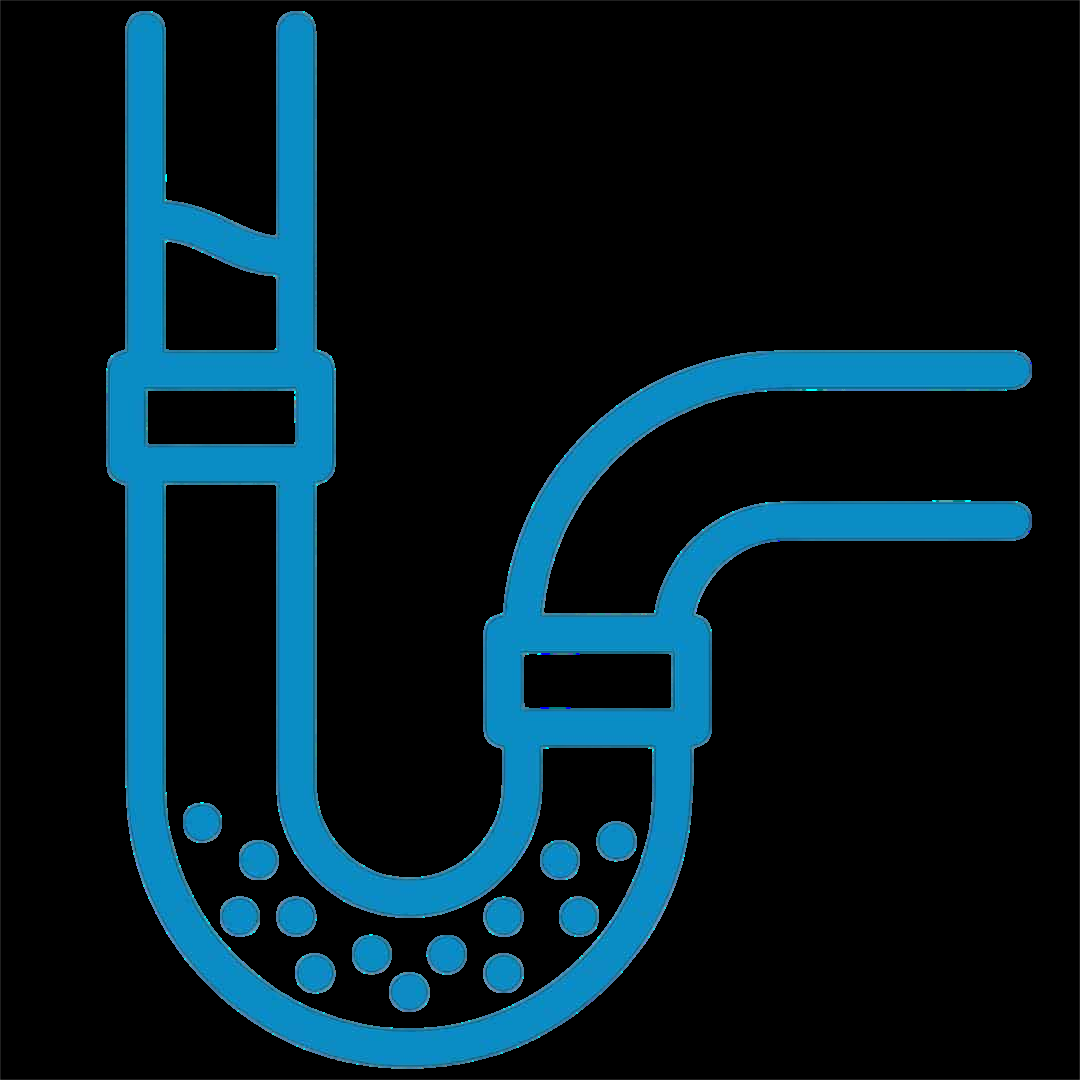
Most sinks have a U-shaped bend underneath called a trap (often a P-trap). It holds a small amount of water that forms a seal. That water seal is what stops sewer gases drifting into your kitchen or bathroom.
Smell tends to show up when one (or more) of these is happening:
• the trap has dried out (common in rarely used basins or laundry sinks)
• the trap is being siphoned by poor venting or pressure issues
• there’s decaying organic build-up (food, grease, soap scum, biofilm) inside the waste pipe
• there’s a deeper drainage issue that’s pushing odours back toward the home
In Sydney kitchens, the “decaying build-up” smell is very common—especially if cooking oils, grease, coffee grounds, or starchy foods have been going down the sink. In bathrooms, the smell may be more “musty” (biofilm) or more sewer-like, depending on the cause.
Q: How can I tell if it’s food/biofilm smell vs sewer gas?
A simple way to think about it:
- Food/biofilm smell often seems strongest right at the drain opening and is “sour”, “rotting”,, or “stale”
• Sewer gas smell is sharper and more like a sewage odour, and it can feel like it “fills” the room quickly
Either way, don’t ignore persistent odours—especially if they come back soon after cleaning.
The most common causes in Sydney homes
Below are the usual suspects, ordered from “most common and localised” to “more system-wide”.
1) Build-up causing a partial restriction
A partial restriction changes how water moves and how air travels around it. Instead of a smooth flow, water surges and air burps through.
Common causes:
• kitchen grease and soap residue narrowing the pipe
• food scraps sticking in the branch line
• bathroom hair and product build-up in the basin waste
• “helpful” DIY chemical use that hardens fats or shifts gunk deeper (so the problem returns)
If your sink drains a bit slower than it used to, and the gurgle is worse when the water is running fast, build-up is a strong contender.
2) A trap seal problem (dry trap or siphoning)
A dry trap is straightforward: no water seal, so odours travel freely.
Siphoning is trickier. It happens when pressure changes pull water out of the trap. That can be caused by:
• poor or blocked venting
• a downstream restriction that creates unusual suction
• certain plumbing layouts in renovations
Clues:
• smell appears after you run water elsewhere
• you can sometimes hear “slurping” as water is pulled through the trap
• the gurgle seems tied to other fixtures (more on that below)
3) Venting issues (including blocked vents)
Vents help equalise pressure so water can flow and traps can hold their seals. If venting is restricted, air may try to enter through the nearest available opening—often your sink trap—creating gurgles and sometimes disturbing the trap seal.
In Sydney, vent issues can be influenced by:
• leaf litter and debris in certain seasons
• renovations where venting was altered or not upgraded properly
• complex apartment stacks where multiple units share venting paths
This is not a “climb up on the roof and poke around” situation for most homeowners. The safest approach is recognising the signs and getting proper assessment if it looks vent-related.
4) A bigger drainage issue affecting more than one fixture
If a sink gurgles and smells, it might be a local branch issue. But if multiple fixtures are involved, that’s when you start thinking beyond the sink.
Red-flag patterns include:
• the sink gurgles when the toilet flushes
• the shower, toilet, and sink are all slow or noisy
• odour comes and goes in waves, especially after heavy water use
• you’ve had repeat “almost blocked” episodes that come back quickly
When multiple fixtures are giving symptoms, it’s wise to treat it as a system problem rather than repeatedly cleaning the sink and hoping for the best.
Q: Why does my sink gurgle when I flush the toilet?
That pattern often suggests shared airflow or a downstream restriction. A toilet flush sends a larger volume of water through the system, which can create pressure changes. If venting is restricted or there’s a partial blockage, the air movement can show up as gurgling at nearby traps (like your sink).
A safe 10-minute check you can do at home
This is designed to help you narrow down the likely cause without risky DIY or harsh chemicals.
Step 1: Check whether the sink trap likely has water in it
- If it’s a rarely used sink: run the tap for 20–30 seconds and see if the smell improves
• If the smell improves briefly and then returns, something is disturbing the trap seal (or build-up is sitting above or around the trap).
Step 2: Look for obvious gunk at the drain opening
In kitchens:
• lift out the basket/strainer (if present) and clean it thoroughly
• check for stuck food scraps around the rim
In bathrooms:
• check for hair, toothpaste sludge, and soap residue at the opening
You’re not trying to dismantle anything yet—just remove what’s easy and safe.
Step 3: Flush with hot water and detergent (kitchen only)
If you suspect grease:
• squirt a small amount of dishwashing liquid into the drain
• run hot (not boiling) water for a minute or two
This can help loosen fresh grease film. If the gurgle reduces, that’s a clue the issue may be a build-up in the branch line.
Step 4: Use a plunger the right way (if the sink is slow as well)
A proper plunge can shift minor restrictions near the trap.
How to do it safely:
• Add enough water to cover the plunger cup
• block any overflow opening with a damp cloth (bathroom basins often have one)
• use firm, controlled plunges (not frantic pounding)
Stop if:
• water backs up aggressively
• you hear gurgling intensify in other fixtures
• You notice foul odour worsening quickly
Those can suggest the restriction is not just “right under the sink”.
Step 5: Pay attention to what else is happening in the home
Ask yourself:
• Does the gurgle happen only in one sink, or more than one?
• Does it happen after the dishwasher drains?
• Does it happen after the toilet flushes?
• Is the smell constant, or only after heavy water use?
Your answers to these questions are often more valuable than any single “quick fix”.
Q: Should I use drain cleaner for gurgling and smell?
It’s tempting, but it can be counterproductive. Some products don’t remove greasy build-up effectively, and repeated use can create hardened deposits or push material further down the line. If you ever need a professional assessment later, chemical residue can also make the job less pleasant and, in some cases, more hazardous.
Scenario guide for Sydney homes
If it’s only one sink (and everything else is normal)
Most likely causes:
• local build-up in the branch line
• trap seal issues (dry or disturbed)
• a local venting quirk tied to that fixture’s layout
Best next steps:
• do the safe 10-minute check above
• if it keeps happening, treat it as one of the warning signs of a drain blockage and don’t wait until it becomes a complete stoppage
When the symptoms repeat, that repetition is the message.
If the sink gurgles after the dishwasher runs
This often points to the kitchen line dealing with:
• grease film
• food debris
• a restriction downstream that struggles with higher flow events
Sometimes the sink may look “fine” day-to-day, but the dishwasher discharge triggers the gurgle because it creates a sudden surge.
If the problem is recurring, it’s worth seeking help with a stubborn drainage problem in Sydney before the kitchen becomes unusable at the worst possible time.
If the sink gurgles when the toilet flushes
This suggests a shared pathway where airflow and pressure changes are interacting. It’s a common “this is bigger than the sink” clue, especially when combined with:
• intermittent smells of sewage
• more than one slow drain
• bubbling in the sink when other fixtures run
At that point, it’s less about home remedies and more about identifying what’s happening deeper in the drainage system.
If the smell is sewer-like and persistent
A sewer-like smell that doesn’t go away after running water and cleaning the drain opening can indicate:
• trap seal being siphoned
• ventilation problems
• a downstream restriction causing gases to move back toward the home
This is one of those moments where knowing what to do when a drain keeps acting up matters—because the “ignore it and spray deodoriser” option won’t address the cause.
Why Sydney Water’s guidance matters for prevention
If you want fewer drainage issues over the long term, prevention matters just as much as troubleshooting.
Their guidance is worth a read because it reflects the real-world reasons many Sydney households run into recurring drain problems: Wastewater blockages (Sydney Water).
The key takeaway: even when a sink still “sort of drains”, build-up can be accumulating quietly, and the first clue might be gurgling, smells, or intermittent slowdowns.
What not to do (even if the internet suggests it)
There’s a lot of DIY advice out there that can create new problems. In general, avoid:
• climbing onto roofs to check vents (fall risk, and not always simple)
• repeated harsh chemical use as a “maintenance routine”
• dismantling plumbing if you’re unsure how the trap and seals go back together
• forcing snakes or improvised wire tools deep into the pipe (you can damage fittings or push debris further)
It’s completely reasonable to do safe surface cleaning, detergent flushing, and careful plunging. Beyond that, it’s about choosing the right next step rather than escalating DIY until it becomes messy and expensive.
Q: When should I stop DIY and get a licensed plumber involved?
Consider getting professional help if any of these apply:
• gurgling returns within days of cleaning/plunging
• smell is sewer-like or persists despite restoring the trap water
• multiple fixtures are slow, gurgling, or smelly
• you see any backup or overflow (even minor)
• the sink gurgles when other fixtures run (toilet flush, shower, dishwasher)
• you’re in an apartment, and the pattern seems tied to shared plumbing events
These are strong signals that the issue is beyond a simple local clean.
Prevention habits that actually reduce gurgling and odours
If your sink has been “a bit off” lately, prevention is your best friend—especially in kitchens.
Kitchen habits
• Wipe greasy pans with a paper towel before washing
• avoid tipping cooking oil down the sink (even “just a little”)
• Use a sink strainer to catch food scraps
• run hot water briefly after washing up (helps move residue along)
• Do a weekly “detergent + hot water” flush if your household cooks with oils regularly
Bathroom habits
• remove hair from basin stoppers regularly
• occasionally clean the drain opening area where toothpaste and soap scum collect
• Run the tap in rarely used bathroom sinks once a week to keep the trap seal healthy
Laundry and utility sinks
These sinks often get neglected, then surprise you with smells.
• run water occasionally if it’s not used often
• be mindful of lint and sediment (especially after washing muddy gear)
Q: If my sink drains fine, can I ignore the gurgle?
A sink can drain “fine” and still be warning you. Gurgling is often an early symptom—especially if it’s new, getting louder, or paired with smell. Treat it like a check-engine light: you might still be driving, but the system is asking for attention.
Final FAQ
Why does my sink gurgle only at night?
At night, household water use patterns change, and in some properties (especially apartments) you may notice shared stack effects more clearly. If the gurgling lines up with neighbours’ usage or occurs without you running water, it can suggest broader airflow/pressure interactions rather than a simple local sink issue.
Can the weather make sink smells worse in Sydney?
It can. Warm, humid conditions can make odours feel stronger, and heavy rain can sometimes coincide with drainage system strain depending on property setup. If smells spike after rain and you also notice slow drains, treat it as a sign to investigate further rather than masking it.
Why does my sink smell like sewage after I run the tap?
If the smell appears after running water, the water flow may be disturbing gases that are able to move back toward the fixture—often due to trap seal issues, venting problems, or a downstream restriction. Persistent sewer odour is a good reason to seek assessment.
Will pouring boiling water fix it?
Boiling water can soften certain residues, but it can also be risky for some pipe types and fittings, and it doesn’t solve venting problems or deeper restrictions. Hot tap water with detergent is a safer first step for grease-related concerns.
If I clean the drain opening and it still smells, what next?
If you’ve cleaned the visible area and restored trap water, but the smell persists—especially if it’s sewer-like—shift your focus to trap seal stability, airflow/venting clues, and whether other fixtures show symptoms. That’s often the point where a professional check is the sensible next step.
What’s the biggest clue it’s not “just the sink”?
Multiple fixtures showing symptoms, or the sink gurgling when the toilet flushes or other fixtures run. Those patterns commonly indicate a system-level issue.