

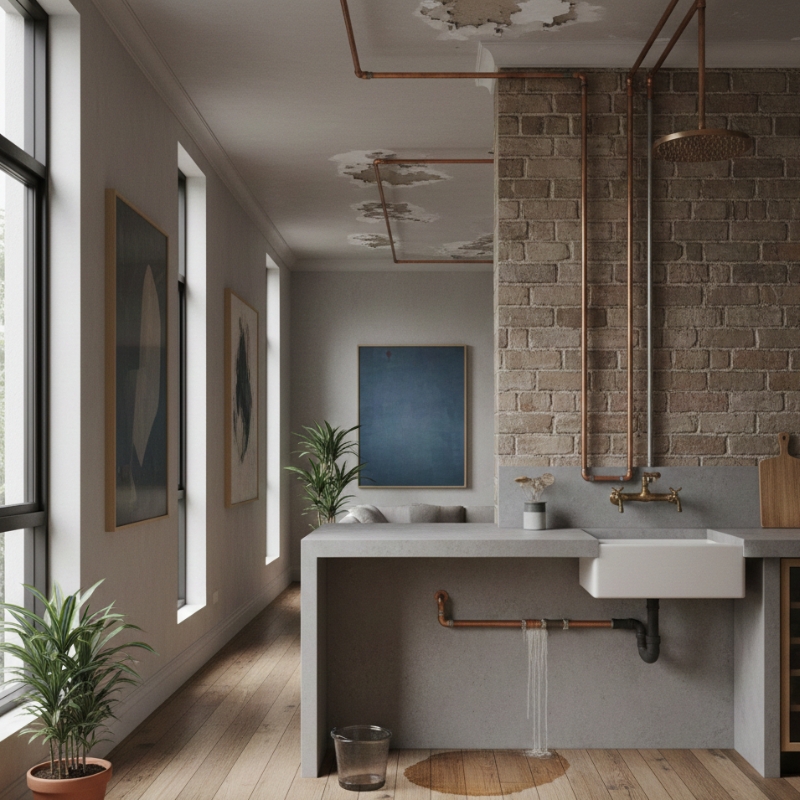
Plumbing Problems That Can’t Wait: A Sydney Homeowner’s Guide
Some plumbing problems are inconvenient. Others can damage your home, create health risks, or turn into major repairs if they aren’t dealt with quickly.
For Sydney homeowners, knowing which plumbing problems can’t wait — and what to do in the first critical moments — can significantly reduce damage and stress. This guide is designed as a practical triage tool. It helps you recognise urgent warning signs, take safe first steps, and understand when a problem is escalating beyond basic DIY fixes.
This isn’t about panic or guesswork. It’s about acting early, acting safely, and protecting your home.
What Counts as a Plumbing Problem That Can’t Wait?
A plumbing issue usually becomes urgent when one or more of the following apply: • Water is flowing uncontrollably or leaking near electrical points • Sewage is backing up into toilets, showers, or floor wastes • Multiple fixtures are affected at the same time • Water pressure drops suddenly throughout the home • There’s a strong sewer or gas-like smell indoors • Damage is actively worsening over minutes or hours If the situation can cause property damage, hygiene issues, or structural problems, it’s not something to “wait and see”.A simple rule of thumb
If shutting off the water stops the problem, do it immediately. If it doesn’t, stop using water altogether and reassess.What to Do in the First 10–15 Minutes
Those first few minutes matter more than most homeowners realise.1. Isolate the water supply
Locate your main shut-off valve. In many Sydney houses, this is near the front boundary, at the water meter, or under the kitchen sink. Turning it off can instantly limit damage from leaks, bursts, or overflows. In apartments or strata buildings, there may be an individual unit isolation valve as well as a shared shut-off managed by the building.2. Reduce electrical risk
If water is pooling near power points, appliances, or switchboards: • Do not step into standing water • Avoid touching switches or cords • Isolate power only if it’s safe to do so Water and electricity together create serious safety hazards.3. Stop using fixtures
Running taps, flushing toilets, or using appliances can make blockages and backups much worse — particularly when more than one drain is affected.4. Document visible damage
Take photos or short videos of leaks, flooding, or water damage. This can be helpful later for insurance claims or strata reporting.Plumbing Problems That Need Immediate Attention
Burst or Severely Leaking Pipes
A burst pipe is one of the fastest ways to cause serious damage in a Sydney home. Warning signs • Sudden drop in water pressure • Water pooling inside or outside the house • Damp walls, ceilings, or bubbling paint • Loud hissing or banging noises in pipes What to do immediately • Turn off the main water supply • Open nearby taps to relieve pressure • Avoid makeshift repairs as a long-term solution Even a small pipe failure can escalate quickly, particularly in older homes or during temperature changes.Overflowing Toilets That Won’t Stop
An overflowing toilet is more than a nuisance — it can quickly become a health issue. Urgent signs • Water rising rapidly after flushing • Wastewater backing up into the bowl • Water spilling onto bathroom floors Immediate steps • Turn off the toilet’s isolation valve • Do not flush again • Avoid chemical drain cleaners If a plunger doesn’t work after a few attempts, stop. Repeated force can push the blockage deeper into the system.Sewer Smells Inside the Home
A persistent sewer smell indoors should never be ignored. Common causes • Dry, cracked, or damaged traps • Blocked or partially blocked drains • Cracked or leaking sewer pipes In many homes, sewer smells are one of the earliest blocked drain warning signs. Addressing them early can prevent a full backup or contamination event.Multiple Drains Backing Up at Once
When water backs up in more than one fixture — such as a toilet and shower together — it usually points to a blockage in the main drain rather than a local issue. Red flags • Gurgling sounds from multiple drains • Water rising in the floor wastes • Slow drainage throughout the house At this point, continuing to use water increases the risk of wastewater surfacing indoors.Sudden Loss of Water Pressure
A sudden pressure drop across the entire home can indicate: • A burst or severely leaking pipe • A major internal plumbing fault If neighbours are also affected, it may be a wider supply issue. If it’s isolated to your property, stop using water until the cause is identified.Water Appearing Where It Shouldn’t
Unexplained moisture is often the sign of a hidden leak. Watch for • Musty smells • Mould appearing quickly • Warped floors or skirting boards Hidden leaks can cause long-term structural damage if left unchecked.Plumbing Issues That Escalate If Ignored
Not every plumbing problem starts as an emergency — but many become one if delayed.Slow Drains That Keep Returning
Recurring slow drainage often indicates deeper issues such as: • Grease or debris build-up • Tree root intrusion • Collapsed or damaged pipes If basic cleaning only offers temporary relief, the underlying cause is likely still there.Gurgling Sounds in Pipes
Gurgling usually means trapped air caused by partial blockages or venting issues. Over time, this pressure imbalance can lead to overflows or sewer smells.Toilets That Constantly Refill or Run
While not always urgent, constant running can point to faulty valves or hidden leaks that stress the system and increase water usage.Common DIY Mistakes That Make Urgent Problems Worse
In stressful situations, homeowners often make choices that unintentionally escalate damage.Overusing chemical drain cleaners
These products can: • Damage pipe interiors • Harden grease further down the line • Create safety hazards for later repairsExcessive plunging
Too much force can: • Push blockages deeper • Crack porcelain fixtures • Damage seals and connectionsIgnoring early warning signs
Smells, sounds, and slow drainage are often the system’s first alerts. Waiting until water appears usually means the problem is already advanced.Sydney-Specific Factors Homeowners Should Know
Older homes and tree roots
Many Sydney suburbs have mature trees and ageing sewer infrastructure. Tree roots are a common cause of recurring and worsening drain blockages.Heavy rain and stormwater systems
Blocked stormwater drains can cause water to pool around foundations, garages, or subfloors during intense rainfall.Apartments and strata properties
Responsibility and access vary. Know where your unit shut-off valve is and how to contact the building manager quickly if shared services are affected.When to Stop Using Water Immediately
Stop all water use if: • Sewage is backing up into fixtures • Multiple drains are affected • Water is leaking near electrical areas • The source of the leak can’t be identified Understanding when a blocked drain becomes an emergency is critical to preventing contamination and structural damage. In these situations, continuing to use water can significantly worsen the outcome.Licensing, Safety, and Why It Matters in NSW
In NSW, plumbing and drainage work must be completed by appropriately licensed professionals. This helps ensure safety, compliance, and insurability. The NSW Government provides clear guidance on plumbing, draining, and gasfitting licensing requirements, which is important for homeowners to understand before attempting complex repairs.Reducing the Risk of Urgent Plumbing Problems
While not every issue can be prevented, good habits reduce the likelihood of emergencies. • Avoid pouring grease or oil down sinks • Use drain strainers in bathrooms and laundries • Flush only toilet paper • Know where all isolation valves are located • Act early when drains slow or smells appear When problems keep returning, it may be time to consider professional blocked drain solutions rather than relying on repeated short-term fixes.Frequently Asked Questions
Is a gurgling drain an emergency?
Not always, but it’s often an early warning sign. If gurgling is combined with slow drainage or bad smells, the risk of escalation is high.Can I keep using water if only one drain is slow?
Yes, cautiously — but monitor closely. If other fixtures slow down or back up, stop using water immediately.Can plumbing issues wait overnight?
If water is leaking, sewage is involved, or damage is actively worsening, waiting increases the risk of serious damage.Are chemical drain cleaners ever safe?
They’re rarely recommended for recurring or serious blockages. Mechanical or professional methods are safer and more effective in the long term.How can I prevent a small blockage from getting worse?
Early action is key. You can learn more about what to do before a drain blockage gets worse by understanding the warning signs and stopping water use before pressure builds.Final Thoughts: Act Early to Limit Damage
Urgent plumbing problems don’t always start dramatically. They escalate when early signs are ignored or temporary fixes are overused. Knowing when to isolate water, when to stop using fixtures, and when a problem is beyond DIY control helps protect your home from avoidable damage. Preparation and awareness put homeowners in control when plumbing problems can’t wait.
