
Leaking Shower Tap Still Dripping? Here’s What Else That Leak Can Damage (and Cost You)
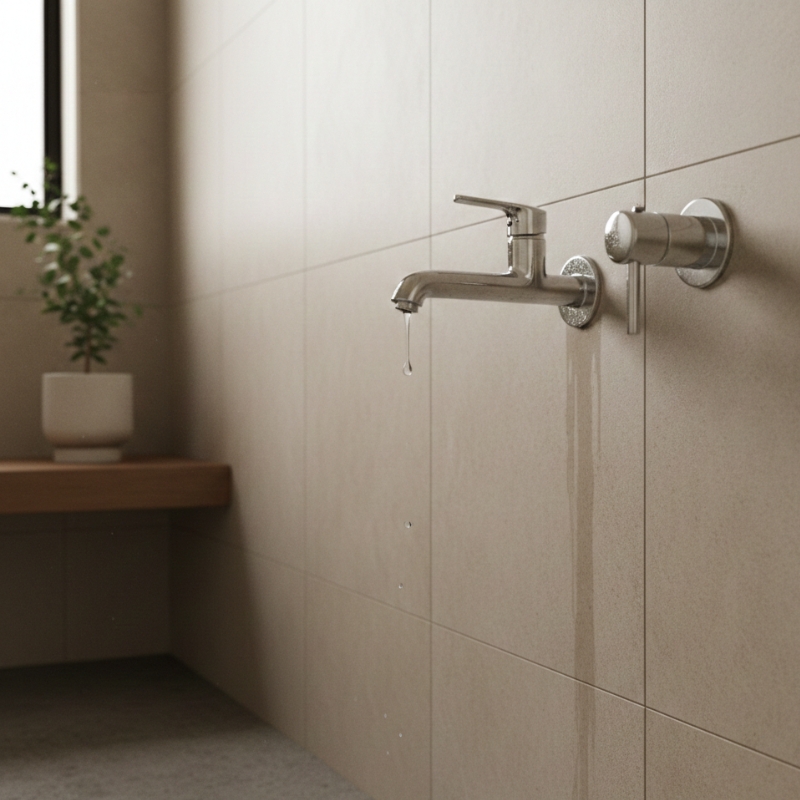
A shower tap that won’t fully shut off is easy to ignore at first. The drip feels harmless — more irritating than serious. But in many Sydney homes, a leaking shower tap that keeps dripping after you turn it off can quietly cause far more damage than most people realise. Small plumbing faults like these often don’t happen in isolation, which is why issues that start with a tap can later connect to broader problems homeowners associate with toilet repairs and other bathroom fixtures.
What begins as a worn washer or cartridge can slowly affect tiles, wall cavities, cabinetry, and even rooms next to the bathroom. When you factor in wasted water and the risk of mould, that “small” drip can end up costing far more than expected if left alone.
This guide explains what a leaking shower tap can damage, how to spot early warning signs, and the key cost factors that influence how simple — or complicated — the fix becomes.
Why a Dripping Shower Tap Is More Serious Than It Looks
Most shower plumbing is hidden
Unlike a kitchen or laundry tap, a shower tap’s components are usually concealed behind tiles. When a tap fails to seal properly, water doesn’t just drip into the drain. Some of it can track back along fittings and seep into wall cavities where it remains trapped. Because this moisture is hidden, damage often develops silently and only becomes visible once materials start to deteriorate.Sydney water pressure accelerates wear
Many Sydney properties experience relatively high water pressure. While this improves flow, it also puts extra strain on washers, ceramic cartridges, and valve seats. Over time, that pressure causes small faults to worsen faster, especially in older bathrooms.What a Leaking Shower Tap Can Damage Over Time
Grout, silicone, and waterproofing
Constant moisture breaks down grout and silicone much faster than normal shower use. Warning signs include: • Grout that darkens, cracks, or becomes powdery • Silicone lifting or peeling away from tiles • Small gaps are forming that allow water behind the wall Once moisture gets past surface finishes, the waterproofing layer can begin to fail.Tiles and tile adhesive
When water sits behind tiles, it weakens tile adhesive. This often leads to: • Hollow sounds when tiles are tapped • Hairline grout cracks • Tiles are slowly loosening from the wall At this point, simple resealing may no longer be enough.Wall cavities and structural materials
Behind your shower wall are framing timbers, wall linings, and fixings. Ongoing moisture can cause: • Timber swelling or rot • Plasterboard softening • Corrosion of metal components This damage can spread beyond the shower wall into adjacent rooms without obvious surface clues.Bathroom cabinetry and vanities
Moisture doesn’t stay contained. Leaks often migrate sideways into vanity units or nearby cabinetry. Common symptoms include: • Swollen kickboards • Peeling laminate • Doors or drawers that no longer align Cabinet damage is frequently mistaken for age-related wear rather than a leak.Flooring and skirting boards
If moisture travels downward, it can reach the flooring and skirting boards. Early indicators include: • Lifting vinyl or laminate flooring • Warped or stained skirting boards • A persistent damp or musty smell near the bathroom These signs often appear some distance from the actual leak.Mould growth and indoor air quality
A slow, ongoing leak creates ideal conditions for mould. Beyond appearance, mould can affect indoor air quality — particularly in apartments or bathrooms with limited ventilation.Common Reasons a Shower Tap Keeps Dripping
Worn washers or ceramic cartridges
Older compression taps rely on rubber washers that harden over time. Mixer taps use ceramic cartridges that can crack or wear internally. Both issues prevent a watertight seal.Damaged valve seats
If the valve seat is pitted or corroded, replacing a washer alone won’t solve the problem. The tap may continue dripping despite “repairs”.Mineral and scale build-up
Mineral deposits from water can interfere with smooth tap operation. Scale build-up can stop cartridges from closing fully.Excessive water pressure
High pressure doesn’t just increase water use — it shortens the lifespan of internal tap components. Without addressing pressure, repeated failures are common.Past installation issues
Incorrectly fitted cartridges, mismatched components, or overtightening during previous work can all contribute to ongoing leaks.Early Warning Signs You Shouldn’t Ignore
A drip that comes and goes
Intermittent dripping often indicates early seal failure. This is usually the best time to act before moisture spreads further.Staining outside the shower area
Discolouration or bubbling paint on nearby walls suggests moisture migration behind the wall.Unexpected water bill increases
Even slow drips waste water continuously. According to NSW Government water-saving advice, even a slow leaking tap can waste a significant amount of water over time, quietly increasing household usage and costs.Persistent musty smells
A damp or earthy smell that doesn’t fade is often a sign of trapped moisture behind walls or cabinetry.What Drives the Cost of Fixing a Leaking Shower Tap
Rather than focusing on price figures, it’s more helpful to understand what actually causes costs to rise.Tap type and internal components
• Compression taps often need a washer and seat work • Mixer taps usually require cartridge replacement • Concealed or designer fixtures may need specialised parts The complexity of the tap directly affects the work involved.Access behind tiles
Repairs are simpler when components are accessible from the front. If tiles must be removed or wall cavities accessed, the scope increases.Secondary damage
Once water affects: • Wall linings • Timber framing • Cabinetry or flooring The issue moves beyond a simple tap fix into broader damage control.Water pressure assessment
If pressure issues are contributing, identifying and correcting them becomes part of the overall solution.Apartment considerations
In units, leaks may affect neighbouring properties. Shared walls, strata involvement, and access coordination can all influence timelines.Safe Checks Homeowners Can Do First
Before taking any action, a few simple checks can help narrow down the issue. • Check whether the drip is coming from the tap spout or the shower head • Turn off the isolation valve (if accessible) to see if the drip stops • Look for moisture signs in nearby walls and cabinetry • Listen for water movement behind the wall after turning the tap off Avoid dismantling mixer taps unless you’re confident — incorrect handling can worsen leaks.When a Dripping Shower Tap Becomes Urgent
Some signs suggest waiting will increase damage: • Water staining outside the shower zone • Soft or spongy walls • Mould that quickly returns after cleaning • Repeated washer or cartridge failures Leaks also tend to cluster. Homes dealing with a dripping shower tap often experience other plumbing symptoms, such as a toilet that won’t stop running, driven by the same pressure or valve wear issues. For a broader understanding of household plumbing warning signs, recognising the signs your toilet needs attention can help identify patterns early, rather than dealing with problems one fixture at a time.Why Bathroom Plumbing Problems Rarely Happen Alone
Plumbing systems work as a network. When one component starts to fail, others may follow. Shared contributors include: • Ageing seals • Mineral build-up • Pressure fluctuations That’s why shower leaks, running toilets, and inconsistent pressure often appear together. If multiple symptoms are showing up, learning more about toilet repairs in Sydney can help explain how small issues escalate across a plumbing system.How to Reduce the Risk of Future Shower Tap Leaks
Monitor moisture-prone areas
Check grout, silicone, and cabinetry regularly for early changes.Be aware of water pressure
Knowing whether pressure-limiting measures are in place can prevent repeated component failures.Improve bathroom ventilation
Good airflow helps surfaces dry faster and reduces moisture build-up.Don’t delay minor fixes
The earlier seal or cartridge issues are addressed, the less chance water has to spread beyond the shower.Common Questions About Leaking Shower Taps
Can a dripping shower tap really affect my water bill?
Yes. Even slow drips waste water continuously, adding up over weeks and months.Is a leaking shower tap an emergency?
Not always — but it becomes urgent once there are signs of hidden moisture, mould, or damage outside the shower.Why does my shower tap drip only after use?
This often points to early seal or cartridge wear that hasn’t fully failed yet.Can mould from a shower leak spread?
Yes. Moisture trapped in wall cavities can allow mould to develop beyond the bathroom.Will replacing the cartridge always fix the leak?
Not if valve seat damage or pressure issues are involved. Correct diagnosis matters.Final Thoughts
A shower tap that keeps dripping after it’s turned off is rarely harmless. In Sydney homes, concealed plumbing and moisture-sensitive materials mean damage can develop quietly and spread over time. Understanding what a leaking shower tap can damage — and what factors influence the size of the fix — allows homeowners to act earlier, limit unnecessary repairs, and reduce long-term costs.
