






Can Fixing a Leaking Toilet Pipe Prevent Bigger Issues?
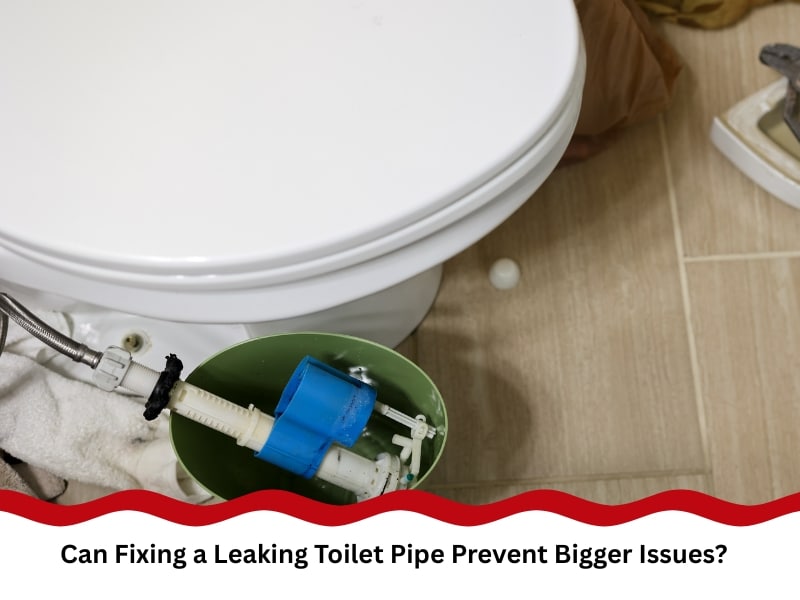
A leaking toilet pipe is one of the most common bathroom plumbing problems in Sydney homes.. A toilet leak might not look like a big deal at first. But don’t be fooled — even a quiet drip can lead to major headaches down the line. That damp patch near the bowl? It could be water sneaking into your flooring or walls, setting the stage for mould or structural damage you won’t notice until it becomes expensive to fix. By repairing leaking toilet pipe issues early, you’re not just stopping a nuisance — you’re protecting your home and avoiding costly repairs. Many Sydney homeowners rely on Apex Plumbing Services when fixing leaking toilet pipe problems becomes too tricky to handle alone. This article explores what causes these leaks, what could happen if you leave them, and how to handle them the smart way.
What causes a leaking toilet pipe?
Most leaks come down to everyday wear and tear. If your loo’s been around for years, it’s fair to assume something’s worn out. Pipes don’t last forever, and even the best fittings cop a beating over time. Common causes include:
- Loose fittings: Vibration and usage can gradually work joints loose.
- Failing seals: Rubber washers or wax rings get brittle and crack.
- Corroded pipes: Rust or corrosion weakens fittings, especially in older homes.
- Poor installation: A rushed job or dodgy DIY work can cause leaks within months.
Sometimes the first sign is just a faint smell, a damp patch, or a soft floor tile. Don’t wait for the full drama — if it feels off, it probably is.
Are toilet leaks common in Sydney’s older plumbing setups?
Definitely, if your house has seen a few decades, chances are the plumbing’s aged too. Materials like copper and galvanised steel were the go-to in the past, but they degrade over time — especially with years of water pressure behind them. Here’s what might tip you off:
- Water bills creeping up: If you’re using the same amount but paying more, something’s leaking.
- Floor stains: Moisture near the base of the toilet can discolour timber or tiles.
- Musty smells: A persistent damp odour might mean trapped water.
- Loose toilet base: If the bowl shifts or wobbles, the seal might be shot.
These are all red flags. They might not scream “urgent” now, but they’re often signs that point to more serious issues bubbling under the surface. That’s why identifying causes of frequent toilet clogs can be a useful clue in getting ahead of hidden problems.

Can small leaks lead to bigger plumbing issues?
They sure can. Leaks aren’t polite — they don’t stay put. The same goes for fixing a blocked toilet; if it’s delayed, the added strain can put pressure on your pipes and lead to more costly repairs. Water can track along the flooring, drip into cavities, or pool beneath tiles without you noticing. Before long, you’re dealing with more than just a pipe. Here’s what can spiral from a “small” leak:
- Mould and mildew: Moisture behind walls is a perfect breeding ground.
- Warped flooring: Timber and moisture don’t mix well.
- Attracting pests: Insects love damp, dark spaces.
- Damaging waterproofing: Once compromised, water spreads fast.
NSW Health warns that even limited exposure to mould can trigger health issues like asthma, skin irritation and chronic coughing — especially in children and older adults. Sydney’s humid climate can speed up mould growth, so even small toilet leaks in bathrooms without good ventilation can quickly become a health issue and when insurance won’t cover gradual leaks? You’re footing the whole bill.
How do plumbers usually fix a leaking toilet pipe?
A licensed plumber won’t muck around. They’ll sort the problem properly — not just patch what’s visible. When it comes to fixing leaking toilet pipe issues, a good one looks for the cause, not just the symptoms. Here’s how the pros handle it:
- Trace the leak: Moisture tools help locate leaks you can’t see.
- Swap out worn parts, including seals, washers, or even the entire fitting.
- Repair pipe joins: This might mean replacing sections or using specialised connectors.
- Test pressure: They’ll check the fix holds when the water’s back on.
It’s not always a massive repair. But getting it right the first time can save you a ton of hassle. If your toilet is dripping repeatedly, it might be time to consider reliable toilet repair solutions to fix the leaking toilet pipe.

What are the risks of repairing a toilet leak yourself?
It’s tempting to grab a wrench and give it a go — and sometimes it works. But DIY plumbing can be like patching a tyre with sticky tape. It looks fixed… until it’s not. Here’s what can bite you:
- Improper sealing: You might line it up incorrectly, and the leak will continue unnoticed.
- Cracked fittings: Over-tightening plastic or PVC can split it.
- Fixing the wrong part: You stop the drip, but not the real issue.
- Warranty issues: If things go south, you might not be covered.
If you’ve patched a leak before and it’s reappeared, it may not be a sealing issue — the problem could be deeper within the plumbing. Licensed professionals often rely on innovative methods for detecting hidden toilet leaks that go beyond the visible problem to pinpoint faults behind walls or below floors.
How to prevent hidden toilet issues before they start?
You don’t have to be a plumber to avoid a plumbing mess. Staying ahead of small problems means watching for the right signs and staying in the habit of checking things regularly. Here’s how to keep your loo out of trouble:
- Inspect seals: Once a year, check the rubber or wax bits haven’t gone brittle.
- Listen closely: A hissing cistern means water’s leaking inside.
- Check behind: The wall or skirting near the toilet should stay dry.
- Routine checks: Especially for homes over 10 years old — plumbing ages too.
Leaks don’t knock and ask for permission. They start silently and often stay out of sight. That’s why it helps to understand ways to detect unnoticed plumbing and act before the damage kicks off.
Common Toilet Leak Points and Symptoms
| Leak Location | Symptom Observed | Likely Cause | Fix Needed |
| Base of the toilet bowl | Water is pooling on the floor | Worn wax ring | Replace the wax seal |
| Behind the toilet cistern | Damp wall or odour | Loose inlet connection | Tighten or reseal |
| Inside cistern | Constant running water | Faulty flush valve or flapper | Replace the internal mechanism |
| Underfloor tiles | Lifting tiles, musty smell | Slow leak from waste pipe | Replace pipe + re-tile |
Final thoughts on fixing a leaking toilet pipe
A leaky toilet might seem like a small issue, but it has a way of turning into a big one if left alone. Nipping it in the bud means less risk of rot, mould, or a hefty repair bill. Whether your toilet is dripping occasionally or showing signs of wear, now’s the time to act — not when the damage is already done. If you’re not sure what’s normal and what’s not, or the leak keeps coming back, discover how Apex Plumbing Services can help with toilet issues across Sydney. You’ll be glad you sorted it before it got out of hand.