


High Water Bills in Sydney: The Everyday Plumbing Causes People Miss
A higher-than-usual water bill can feel like it comes out of nowhere. One quarter everything looks normal, the next you’re staring at a jump in usage and wondering what changed—only to realise a small issue like a leaking tap repair could be the missing piece.
In Sydney homes, the “mystery spike” is usually one of two things:
• A quiet plumbing issue that runs 24/7 (often without obvious puddles)
• A normal behaviour change that adds up fast (especially in warmer months)
The good news: you can narrow the cause down quickly with a few safe checks, without ripping up tiles or guessing.
First, check whether it’s usage or pricing
Before you go hunting for leaks, look at the bill details.
• Compare the kilolitres (kL) used in this bill to the previous one
• If the kL is up, you’re dealing with higher water use (leak or lifestyle)
• If the kL is similar but the total cost is higher, it may be pricing, billing period length, or a different charge mix
If you’re unsure what your numbers mean, Sydney Water has a practical starting point for spotting leaks and confirming unusual usage in Sydney Water’s leak detection guidance.
The 10-minute test that settles the “leak or not?” question
If you only do one thing, do this. It’s the fastest way to confirm whether water is running when it shouldn’t be.
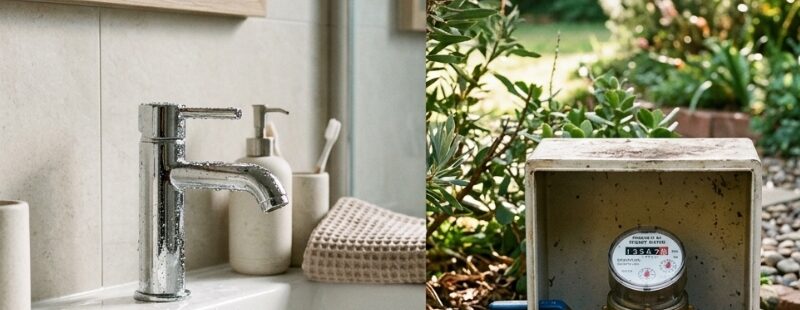
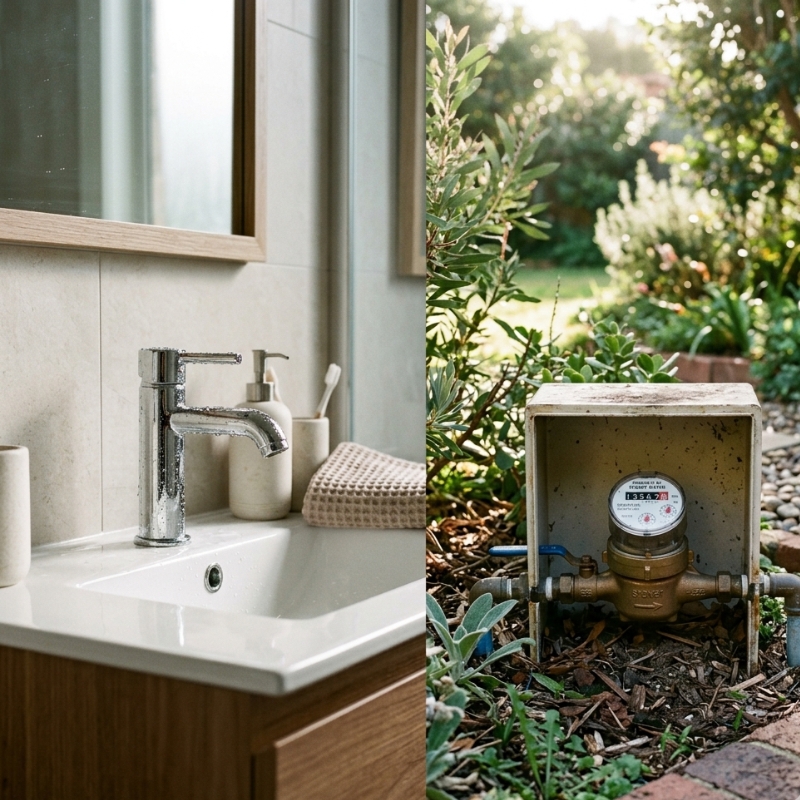
Water metre movement test (safe, no tools needed)
- Turn off everything that uses water
• No taps, dishwasher, washing machine
• Make sure no one is showering
• If you have a water-fed fridge or an automatic irrigation cycle, pause it - Look at your water metre
• Many metres have a small dial/star indicator that moves with even tiny flows - Wait 5–10 minutes and check again
• If the indicator moves (or the reading increases), water is flowing somewhere
If the metre is still, you’re likely dealing with lifestyle changes (or a one-off event). If it moves, keep reading—because the culprit is often something surprisingly everyday.
The biggest everyday plumbing causes people miss
1) The “silent” running toilet (Sydney’s #1 sneaky water-waster)
A toilet can leak into the bowl continuously without a dramatic sound. It might be a worn seal, inlet valve issue, or a cistern that refills more often than it should.
Signs to look for:
• You hear the cistern refill when no one has flushed
• The bowl of water ripples slightly at random
• The toilet occasionally “hisses” or runs briefly
• You can’t remember the last time the toilet internals were serviced
Simple check:
• Put a few drops of food colouring in the cistern (not the bowl)
• Wait 10–15 minutes without flushing
• If colour shows up in the bowl, water is leaking through
Why it matters:
• A small continuous toilet leak can waste a huge amount over a billing period because it never stops
2) Dripping taps that don’t look “serious”
A tap drip doesn’t always create a puddle, especially if it drips straight down the drain. That’s why it often gets ignored—until the bill arrives.
Also, a tap can “leak” in ways people don’t notice:
• Water seeping around the base or handle
• A slow leak under the sink (pipework or flex hoses)
• A mixer that drips only when hot water is used
• A tap that drips more at night due to pressure changes
If you want a quick guide on exactly what to look for, this is a handy next step: how to check if a tap is leaking.
3) Hot water system drips and relief valve discharge
In many Sydney homes, the hot water system’s temperature/pressure relief valve can release water. A small amount may be normal during heating cycles, but constant discharge, steady dripping, or visible wetness around the unit can point to a problem.
What to look for:
• A constant drip from the overflow pipe outside
• Wet concrete or rust staining near the unit
• A warm patch near the discharge point when no hot water has been used recently
Why does it show up as a “mystery” bill increase:
• It can run quietly
• It often drains outside, where you don’t see it
• It can worsen over time
4) Outdoor irrigation and garden tap leaks
Outdoor water losses can be deceptively large, especially when they soak straight into the soil.
Common culprits:
• Irrigation lines cracked by roots or movement
• A solenoid valve that doesn’t close fully
• A garden tap that drips slowly (often unnoticed)
• Hoses with tiny splits that mist water under pressure
• A timer that’s been bumped or reprogrammed
Sydney-specific tell:
• One patch of lawn is unusually green or soggy, even when it hasn’t rained
• You notice mozzies in one damp area near a garden bed or path
Quick check:
• Run irrigation for a short cycle and walk the full line
• Look for pooling, spraying, or hissing
• After switching it off, listen for water still moving through pipes
5) Under-sink cabinet leaks you only notice when it’s “too late”
A slow leak under the kitchen sink or vanity can get absorbed by cabinetry, swell particleboard, and create mould smells without obvious dripping sounds.
Look for:
• Musty smell inside cupboards
• Warped shelves or peeling laminate
• Dampness around the trap, shut-off valves, or flexi hoses
• Cleaning products that feel damp underneath
If you find moisture, don’t ignore it. The problem may be small now but expensive later.
6) Hidden leaks behind walls or under slabs
Not common, but they do happen—especially in older homes or where pipes have been disturbed by renovations.
Clues:
• Damp patches on walls/ceilings
• Peeling paint or bubbling plaster
• Unexpected mould growth
• A warm spot on the floor (hot line leak)
• Reduced water pressure in multiple fixtures
• The metre moves even when toilets are isolated, and all taps are off
When you see these signs, it’s time to treat it as more than “just a higher bill.”
Everyday behaviour changes that can mimic a plumbing problem
Sometimes the plumbing is fine, but the household routine has shifted.
Common Sydney patterns that spike usage:
• More frequent showers in summer (or after sport)
• Extra laundry loads (kids, uniforms, linen)
• Guests staying over
• Garden watering during dry spells
• Filling a paddling pool or topping up a pool more often
• Renovations (tilers, painters, cleaners using more water)
A useful reality check:
• Look back at the billing dates and what was happening at home then
• Compare weekdays vs weekends if you track usage
Q&A: “My bill jumped—what should I check first?”
Start with the water metre movement test. If the metre moves with everything off, check toilets next (they’re the biggest quiet culprit). Then check under-sink cupboards and any outdoor irrigation lines. Finish by inspecting taps and showerheads for drips, seepage, or moisture around fittings.
A practical Sydney homeowner checklist (15 minutes)
Work through this in order:
Inside the home
• Do the water metre movement test
• Check toilets: listen for refills, do the food colouring test
• Check under every sink: feel around shut-off valves, traps, and flex hoses
• Check the laundry: inspect the washing machine taps and hoses
• Check taps for dripping, seepage at the base, or damp cabinetry
Outside the home
• Look at the hot water system discharge/overflow area
• Walk the garden: look for wet patches or extra-green areas
• Run irrigation briefly and watch for pooling or sprays
• Check outdoor taps and hose connections for slow drips
If you spot tap-related leakage as part of this, these dripping tap warning signs can help you judge whether it’s likely a minor seal issue or something that needs attention sooner.
When it’s time to involve a licensed plumber
Keeping this in mind, there are moments where continuing to “monitor it” usually costs more than acting.
Consider getting professional help if:
• The water metre moves even when everything is off, and toilets are ruled out
• You see damp patches on walls/ceilings or smell persistent mould
• There’s evidence of an underground leak (wet lawn strip, sinking pavers, unexplained puddles)
• You suspect a hot water system valve or pipe is leaking continuously
• You can’t isolate the source, but usage continues to climb each day
If the issue appears to be tap-related and you’d like the next step, this page is the relevant reference point: trusted leaking tap repairs in Sydney.
Q&A: “Can a dripping tap really raise a Sydney water bill?”
Yes. The “drip” you see is only part of the story. Many taps drip faster under higher pressure, and some only leak when used (hot line, mixer cartridge issues, worn seals). If it’s dripping into the drain continuously, it can quietly add up over a billing period—especially when combined with other smaller losses like a slightly running toilet or a garden tap leak.
How to prevent the next surprise bill
You don’t need to become a plumbing expert—just build a simple habit.
Monthly (5 minutes)
• Quick cupboard check under the kitchen, bathroom, and laundry
• Listen for toilet refills when no one has flushed
• Look at outdoor taps and hose connections
Quarterly (10 minutes)
• Do the water metre movement test
• Walk the garden after irrigation or a dry week
• Check the hot water discharge area for constant dampness
After any plumbing or renovation work
• Re-check cupboards and visible pipework for slow weeps
• Confirm toilets aren’t refilling unexpectedly
• Keep an eye on the metre for the first few days
FAQ
Why is my water bill so high all of a sudden in Sydney?
Most sudden spikes come from a silent leak (often a toilet) or a seasonal/lifestyle change (garden watering, more showers, guests). The water metre movement test is the quickest way to confirm whether it’s a leak.
How do I know if it’s a hidden leak behind a wall?
Look for damp patches, bubbling paint, mould smells, warm spots on floors (hot line leaks), or the water metre moving when everything is turned off. If those signs are present, it’s best to avoid invasive DIY and get it properly assessed.
What’s the first fixture I should check if the metre shows movement?
Toilets first. They can leak continuously into the bowl without obvious noise, and they waste a lot over time.
Why does one patch of lawn stay wet or greener?
That’s a classic sign of an irrigation leak or an underground pipe leak. Check irrigation lines, connections, and valves, and look for pooling or hissing during a short run cycle.
Can my hot water system cause a higher bill?
Yes. A constantly dripping relief valve or a small hot water line leak can run quietly and drain outside, making it easy to miss until the bill arrives.
What if the metre doesn’t move, but my bill is higher?
Then you’re likely dealing with higher household usage during that billing period, a longer billing cycle, or a billing/pricing change. Compare the kL usage first—kL tells you whether water use actually increased.