


How to Safely Unblock a Blocked Shower Drain?
Nothing throws off your morning like water pooling around your feet mid-shower. A shower blocked drain is usually caused by hair, soap build-up or bits of grime. If the drain starts smelling or emptying slowly, don’t ignore it. Dealing with it early helps avoid bigger headaches and keeps your bathroom in decent shape. This blog explores proven ways to get your shower back in top shape without a fuss.
What signs indicate a blocked shower drain problem?
When your shower starts to drain more slowly, that’s a clear warning sign. You may also notice water pooling around your ankles even after rinsing off. In some cases, unpleasant odours start wafting up through the drain. These symptoms usually show early blockage and are among the causes of blocked drains that should never be ignored, as delaying action can cause more serious issues down the track:
- Standing water after each use signals a flow restriction in the pipes. This can lead to long-term water damage beneath tiles if ignored.
- Water draining slowly? That could mean hair, soap, or grime is already building up somewhere down the line.
- Musty smells indicate the presence of decaying organic matter — and it’s a magnet for bugs and bacteria.
- Gurgling sounds often mean air’s getting trapped thanks to a partial blockage messing with the flow.
Noticing these signs early can save you a world of trouble (and a hefty bill) later on.
Where do most shower blockages come from?
Hair tangled in soap scum is the usual culprit. Over time, tiny bits from cleaning products can settle inside your pipes. Hard water minerals and limescale tend to stick to the pipe walls, which makes it easier for other gunk to get caught. Even something as small as a shampoo lid or a toy part can sneak in and block things up. Considering what goes down the drain adds up fast, so stay aware of these common sources:
- Hair accumulation is the number one cause of blockages, especially in households with multiple users.
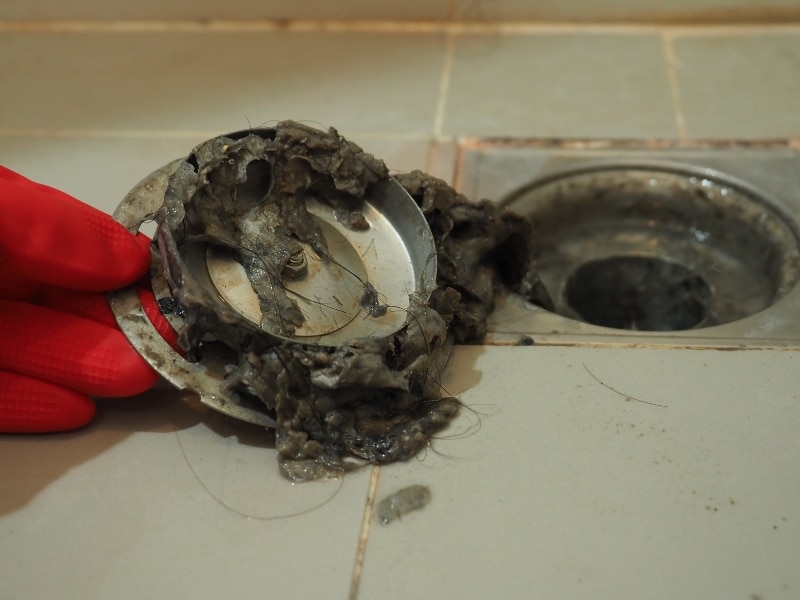
- Soap scum and body oils harden over time, creating a sticky lining for debris to cling to.
- Dirt and sand from pets, shoes or skin can combine with hair to form dense clumps.
- Foreign objects like shampoo lids or earrings often go unnoticed until a major blockage occurs.
Those facing repeated issues can explore trusted solutions for a recurring shower blocked drain to keep things flowing properly.
When should you worry about a blocked shower drain?
If water barely disappears or lingers for more than a minute, it’s no longer a minor issue. Foul odours that scatter around the bathroom are another red flag. When it starts to overflow or damp spots appear nearby, that could mean a leak. Ignoring signs like these may result in:
- If blockages keep coming back, it might be more than bad luck — things like narrowed pipes or misaligned joints could be to blame.
- Damp patches on nearby walls aren’t just cosmetic — they could mean water is sneaking out from cracked fittings or loose joints.
- A lingering stink often means trouble deeper down, like a blocked main line or a venting problem.
- When two or more of these issues pop up at once, it’s probably not something a plunger can fix — time to call someone who knows their stuff.
- When water spills over, it can soak into the grout, weakening tiles and creating the perfect environment that leads to the health risks of mould exposure in households.
If more than one symptom shows up, it’s likely time to stop guessing and get expert input.
Who can handle tricky shower blocked drain issues?
For stubborn blockages that refuse to budge, it’s wise to bring in a professional. A licensed plumber knows how to safely dismantle the trap, clear the pipe and inspect for hidden damage. The right equipment handles complicated issues without leaks or breakage. If home fixes fail, consider a qualified technician.
- Plumbers use inspection cameras to identify blockages that are deep within the system.
- Hydro-jets blast away grease, hair, and grime fast — and leave no mess behind.
- An experienced plumber can pick up on early signs of trouble, like rust or cracks.
- With the right licence, a plumber ensures that everything complies with plumbing regulations.
Hiring the pros keeps things safe and sorted, especially when DIY options have reached a dead end.
How do simple remedies clear a shower blocked drain?
One way to deal with a blocked drain is by pouring boiling water down slowly — it can help break up built-up oils and soap. You can also try mixing bicarb soda and vinegar; it fizzes up and can loosen gunk like hair and grime. If you’ve got a wire coat hanger handy, bend it into a hook and fish out the mess. These fixes won’t cost much, and they’re pretty safe if you use them right.
- A bent hanger or drain claw can grab visible hair and debris.

- Boiling water helps dissolve soap and grease stuck in the pipe.
- Baking soda and vinegar react to break down soft blockages.
- Drain strainers reduce the amount of debris that clogs the pipes.
These methods won’t solve major issues, but they’re some of the most effective ways to unclog a shower drain when dealing with light clogs.
What tools help clear a blocked shower drain effectively?
When home remedies aren’t enough, the right tools make a real difference:
| Tool | Use | Benefits |
| Drain snake | Pushes into the pipe to snag hair and grime | Clears deep clogs without chemicals |
| Plunger | Creates suction to loosen blockages | Ideal for surface-level clogs |
| Pipe wrench | Removes the trap below the shower | Allows physical cleaning and inspection |
- Drain snakes reach deep into pipes to grab clumps of hair and debris.
- Plungers create pressure to shift blockages near the surface.
- Wet/dry vacuums can suck out a clog if standard tools fail.
- Wrenches or tools are used to safely remove drain covers and P-traps.
With the right gear, fixing blockages becomes safer and more manageable.
Why choose expert help instead of more DIY tricks?
You might think giving it a go yourself is the cheaper fix, but DIY quick fixes often backfire. Harsh store-bought chemicals can damage your pipes, especially in older homes. Calling in a plumber means the job gets done right — no second-guessing, no ongoing mess.
- If you’ve had to unblock the same drain more than once, there’s probably a deeper issue.
- Chemical cleaners can eat away at old piping, which can cause hidden leaks.
- A trained plumber checks the whole system, not just the blocked bit.
- Long-term maintenance advice helps prevent future issues altogether.
When basic fixes don’t cut it, professional help is the safest path forward.
Final Thoughts
If you catch a blocked drain early, you can often avoid bigger dramas later. A bit of boiling water or a sprinkle of bicarb can sometimes do the trick. Some folks even bend a wire hanger to poke through the gunk. But if those don’t work, you’re better off ringing a plumber who knows what they’re doing. For hands-on help, learn how Apex Plumbing Services helps solve drainage problems and keep your shower running smoothly without the fuss.