





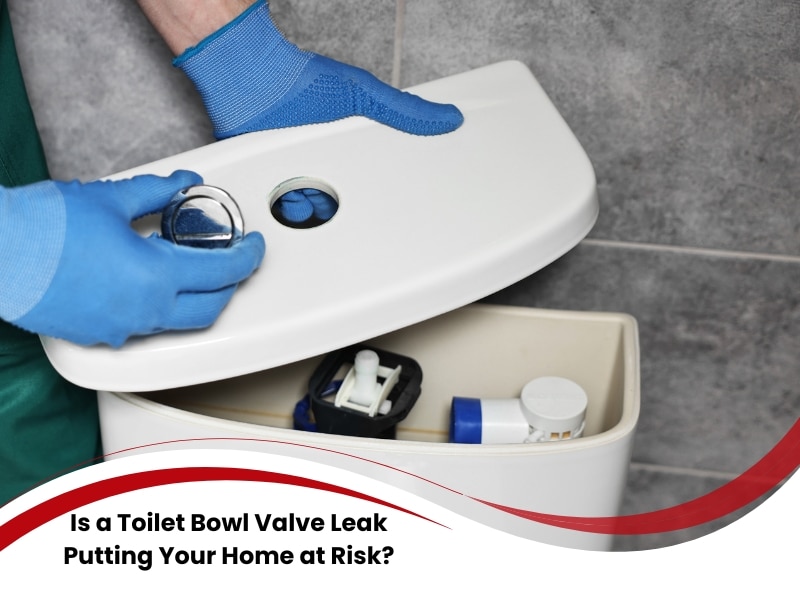
Is a Toilet Bowl Valve Leak Putting Your Home at Risk?
Is your toilet quietly burning a hole in your wallet? You wouldn’t think a slow drip could do much harm, but give it time, and it’ll chew through your water bill. That sneaky leak? It’s likely happening right under your nose—day in, day out—without making a fuss. Before you know it, you’re pouring litres down the drain for no good reason. This guide breaks it down: how to spot the signs, what usually goes wrong, and what to do about it before things spiral.
What causes a toilet bowl valve leak most often?
A leaking toilet isn’t always noisy or conspicuous. Sometimes it’s whisper-quiet, hiding under the cistern lid or brushed off as “nothing to worry about”. But ignore it too long and you’ll be kicking yourself when the bills roll in. Common culprits include:
- Worn-out rubber flapper – Over time, the seal deteriorates and allows water to seep through.
- Misaligned float valve – If it’s set too high, water constantly spills into the overflow tube.
- Damaged flush valve seat – Without a snug fit, the flapper can’t shut properly.
- Corrosion on internal parts – Rust and mineral deposits eat away at the surface.
- Slack or tangled chain – If the flapper’s held up even slightly, it leaks.
Ever heard your toilet hiss or refill itself for no reason? That’s a classic sign. Want to be sure? Drop a few drops of food colouring into the cistern—if it shows up in the bowl without flushing, you’ve got a leak. Best not to muck about once you know.
How do you repair a toilet bowl leak when a toilet bowl valve leak starts?
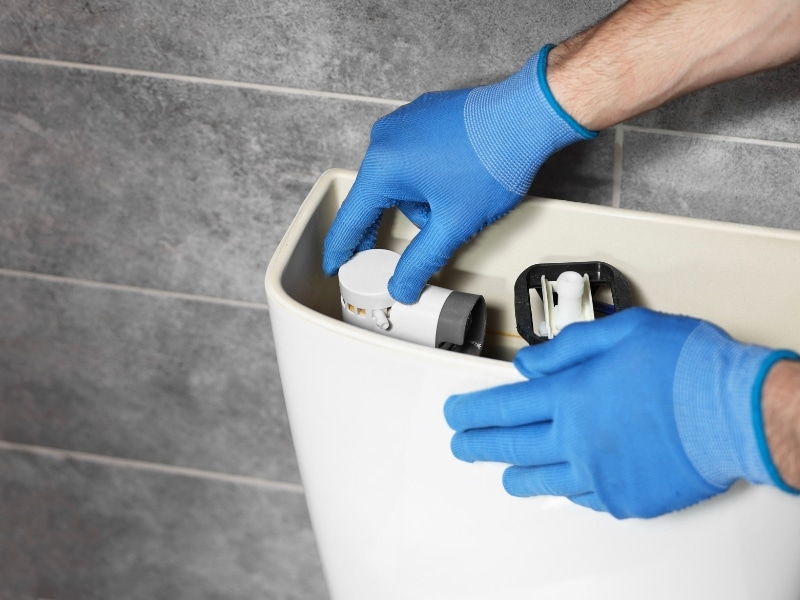
Once you’ve figured out what’s playing up, you don’t need to call in a tradie straight away. Most minor leaks are a quick fix if you know your way around the cistern. No flash gear required—just some basic tools and a bit of patience. Here’s what usually gets it sorted:
- Swap out the flapper – It’s the number one fix and takes under 20 minutes.
- Tweak the float – Make sure the water shuts off at the right height.
- Replace the fill valve – If it’s worn, the cistern might keep refilling non-stop.
- Clear out gunk – Limescale or debris can stop seals from closing tight.
- Install a new flush valve – If the old one’s cracked, it’s time to replace the whole setup.
Here’s a quick comparison of typical fixes:
| Issue | DIY Friendly | Estimated Cost (AUD) | Time Required |
| Flapper replacement | Yes | $5–$15 | 10–20 mins |
| Float valve adjustment | Yes | $10–$25 | 30 mins |
| Fill valve replacement | Yes | $20–$40 | 30–45 mins |
| Full flush valve assembly | No | $40–$80 | 1–2 hours |
If none of these solutions work, you’re better off getting a proper toilet valve leak inspection and solution. Acting sooner makes the difference between a $15 fix and a $300 replacement.
Could a toilet bowl valve leak make toilet leak repair more expensive?
Delaying repair rarely saves money—more often, it doubles the problem. A small leak can slowly erode not just parts, but also the materials surrounding the toilet. Here are the ways a neglected leak drives up costs:
- Soaked floorboards – Water can seep into the subfloor, leading to swelling and potentially mould growth.
- Cabinet damage – Cheap cabinetry warps or crumbles fast when moisture gets in.
- Stains around the base – A brown ring’s not just ugly, it’s a red flag.
- Weakened structure – Water might work its way into floor joists and frame timbers.
- Higher water bills – Even a slow leak can quietly cost hundreds over time.
The risk of compounding issues is real. Leaving it too long might mean you’ll need a complete toilet replacement and restoration. That’s why understanding the importance of fixing toilet leaks quickly is essential before the problem worsens. The best time to fix it was yesterday—the second-best time is now.
Which steps fix a toilet bowl valve leak during toilet fill valve repair?
When the fill valve is the culprit, it’s critical to replace it with care. The fill valve controls how and when your cistern refills—if it’s broken, the toilet won’t stop drawing water. Here are the steps for a successful toilet fill valve repair:
- Turn off water supply: Always start by shutting the water off at the isolation valve.
- Drain the cistern: Flush the toilet and sponge out any remaining water.
- Unscrew the old valve: Disconnect it from under the cistern and remove it.
- Install the new valve and float: Follow the instructions for correct alignment.
- Set float height: This controls the water level and prevents overflow.
- Reconnect water and test: Ensure the new setup seals properly and refills without leaks.
Doing this right solves many persistent problems and can extend the life of your toilet. But be careful—over-tightening or misaligning parts can cause cracking or renewed leaks. Understanding how to fix a toilet that won’t refill often comes down to recognising common issues with the fill valve and knowing the proper repair steps. Replacing the fill valve correctly is a fix that sticks.
Which toilet problems indicate worn parts that can be replaced?
Not all commode problems mean replacing the whole unit. Most issues start small and stem from a single failing component. Spotting the symptoms early is key. Here are the most apparent signs of worn internal toilet parts:
- Running water sounds after flushing: The valve may not be sealing completely.
- Wobbly flush handle: Indicates chain, lever, or flapper arm damage.
- The tank never fills fully: Points to float misadjustment or blocked fill valve.
- Water trickling into the tank at rest: Classic symptom of a poor seal or cracked valve.
- Phantom flushes occur when the seal briefly breaks due to pressure shifts, causing sudden refills.
These parts are inexpensive and quick to replace. A kit with seals, flappers, and washers typically covers the most common issues. Helpful external advice for efficient water-saving for household bathroom use, which includes guidance on reducing household water waste. Looking out for these problems helps you avoid bigger issues later.
Final thoughts
No one wants to waste water or risk long-term damage from a bathroom problem. The good news? Most leaks are fixable with simple tools and a sharp eye. Leaving the issue may cost you more in the long run. If basic DIY repairs don’t hold, it’s time to bring in a pro to get the job appropriately sorted. Ask Apex Plumbing Services about fixing your toilet bowl valve leak. You’ll sleep better knowing your toilet isn’t costing you money overnight.

