












Is DIY Enough to Repair a Toilet Flange?
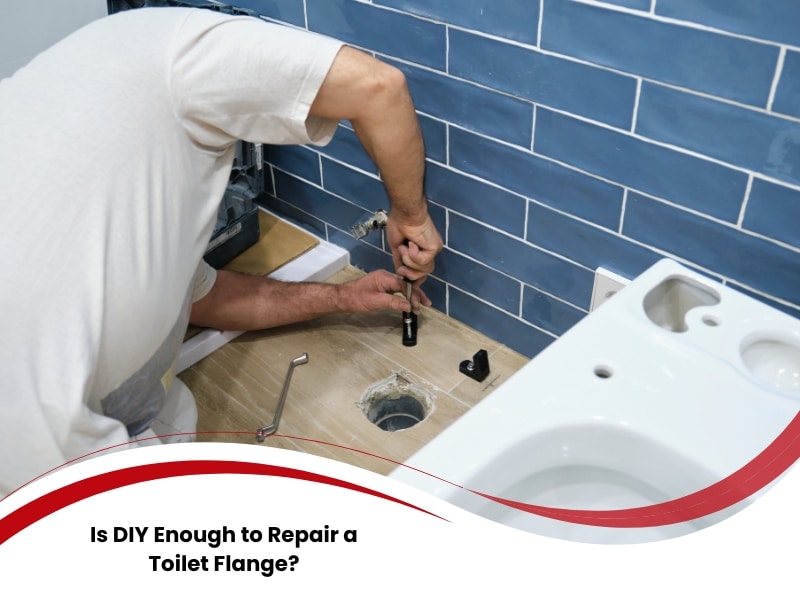
In most cases, DIY isn’t enough to repair toilet flange damage properly. While quick fixes can temporarily stop a small leak or stabilise a wobble, they rarely solve the root cause — a corroded or misaligned flange. Without the right tools or sealing techniques, a DIY job often leads to recurring leaks, water damage, and costly flooring repairs down the line.
A toilet flange connects the toilet base to the drainpipe, maintaining a watertight seal. When that seal fails, wastewater seeps out, floors swell, and structural damage follows. According to Apex Plumbing Services, homeowners who try to repair flange toilet damage themselves often overlook the underlying alignment issues that cause repeat leaks. Understanding what causes flange damage and how to fix it correctly helps you decide when a DIY repair might work — and when it’s smarter to call a professional.
Why does a toilet flange start leaking or breaking?
A toilet flange starts leaking or breaking when its seal is compromised by corrosion, cracking, or improper installation. Over time, moisture weakens the flange material and loosens the bolts holding the toilet in place, creating gaps that let water escape. Common causes include:
- Corrosion from moisture exposure and cleaning chemicals
- Cracks in PVC or cast iron due to age or poor installation
- Loose bolts that allow small movements, breaking the seal
- Uneven flooring or shifting subfloors
According to the Master Plumbers Association of NSW, most early flange failures stem from movement or uneven installation — issues that often go unnoticed until leaks appear. Their industry guidance emphasises proper alignment and torque on mounting bolts to prevent gradual seal deterioration.
Once the watertight bond is gone, every flush allows small amounts of water to seep beneath the toilet base. Left unchecked, this can rot the subfloor and create long-term odour problems that no silicone seal can fix.
What happens if you delay fixing a damaged toilet flange?
Delaying repairs to a damaged toilet flange leads to structural damage, hidden leaks, and expensive flooring replacements. Even a small leak can spread moisture under tiles or timber, causing rot that weakens the floor’s integrity. Typical outcomes of delay include:
- Swollen floorboards or spongy tiles
- Lingering odours from trapped wastewater
- Rusted bolts that are harder to remove later
- Increased water bills due to hidden leaks
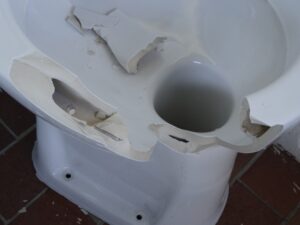
What’s worse, that constant movement stresses the plumbing connections below. Over time, it can cause the wax ring to fail completely, leaving you with a slow leak that ruins the subfloor.
Here’s a quick comparison of repair timelines versus potential costs:
| Delay Period | Typical Damage | Relative Cost |
| 1 week | Minor water seepage | Low |
| 1 month | Subfloor moisture damage | Moderate |
| 3+ months | Full flange replacement + flooring repair | High |
Ignoring it now can mean paying triple later, a false economy that many DIYers regret. If you’re also focused on long-term sustainability, understanding water efficiency standards can help you choose smarter fixtures and flushing systems when replacing or upgrading your toilet. Staying compliant with these standards not only saves water but also reduces pressure on older pipes — keeping your system healthy for years to come.
How can a loose flange cause recurring toilet leaks?
A loose toilet flange causes recurring leaks because the toilet shifts slightly with every use, breaking the wax seal each time. This small movement lets water escape underneath, where it soaks into the subfloor and causes rot. The cycle continues because tightening bolts or replacing the wax ring doesn’t address the underlying instability. Once the flange or surrounding floor moves, even a new seal will fail again. Early warning signs include:
- The movement distorts the wax seal, creating gaps
- Each flush lets a small amount of water escape
- Moisture leads to mould and timber rot below the surface
It’s a vicious cycle: every fix seems temporary because the root cause of flange instability isn’t solved. You might patch things up today, but by next month, the leak’s back. If your toilet rocks slightly or the floor feels soft, don’t ignore it. It’s a telltale sign that the flange is on its way out. A professional plumber can secure or replace it permanently, restoring stability and peace of mind.
Can you repair a toilet flange without removing the toilet?
You can repair a toilet flange without removing the toilet only if the damage is minor. Small cracks or loose bolt slots can sometimes be reinforced using a flange repair kit, but a severely cracked or corroded flange will always require the toilet to be lifted. Typical conditions where DIY may work:
- Flange is stable and not fully cracked
- Wax ring remains intact
- No visible leakage around the base
If the toilet rocks, the wax ring is soft, or the floor feels damp, removal is unavoidable. Attempting to seal it in place may make things worse. For reliable, long-lasting results, call a toilet leak repair service. Experienced plumbers can reseal and align your toilet properly, preventing repeat leaks.
What tools and materials help maintain water efficiency standards?
To maintain compliance with water efficiency standards, the right materials and tools ensure repairs support both performance and conservation. Every component — from the wax ring to the flush valve — contributes to a leak-free, efficient system. Essential items for effective repair include:
- Adjustable wrench and flange bolts
- Wax or rubber ring (depending on model)
- Silicone sealant for additional protection
- Eco-certified flush valve or dual-flush mechanism
Using high-quality, water-efficient components prevents overflows and ensures each flush performs effectively with minimal water use. To troubleshoot common issues beyond leaks, explore how to fix a noisy toilet, which covers mechanical noise problems that can signal efficiency loss.
How do professionals make toilet repairs watertight and lasting?
Professional plumbers make watertight installation repairs last by addressing both the flange and the surrounding structure. They don’t just replace parts, they stabilise the base, reseal the drain, and test pressure before refitting the toilet. Their process typically includes:
- Laser-levelled base alignment
- Reinforced flanges or stainless steel rings
- Pressure-tested seals before reassembly
- Use of anti-corrosion bolts and marine-grade silicone
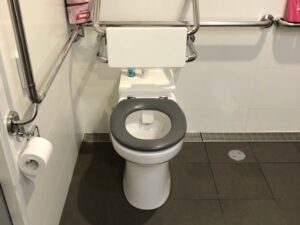
As the Australian Building Codes Board (ABCB) outlines, any toilet installation must meet Plumbing Code of Australia standards for sealing integrity and fixture stability. Following these codes ensures safety, water efficiency, and long-term durability — benchmarks that professional plumbers meet on every job.
These steps ensure the toilet stays sealed even under frequent use. Unlike quick DIY patches, a professional installation lasts for years without wobbling or leaking. For a broader understanding of why small plumbing issues escalate, understanding common toilet plumbing problems can help you recognise early warning signs before they turn into costly repairs.
Final thoughts on whether DIY can truly repair flange toilet damage
In the end, most DIY fixes can’t fully repair flange toilet damage — they patch symptoms but not the underlying cause. Minor surface issues might be manageable, but serious leaks, floor movement, or corroded parts demand professional tools and expertise.
If you’ve noticed movement, smells, or recurring leaks, you can get professional advice from Apex Plumbing Services. Their plumbers ensure a watertight, compliant, and lasting result, protecting both your bathroom and your budget.

