







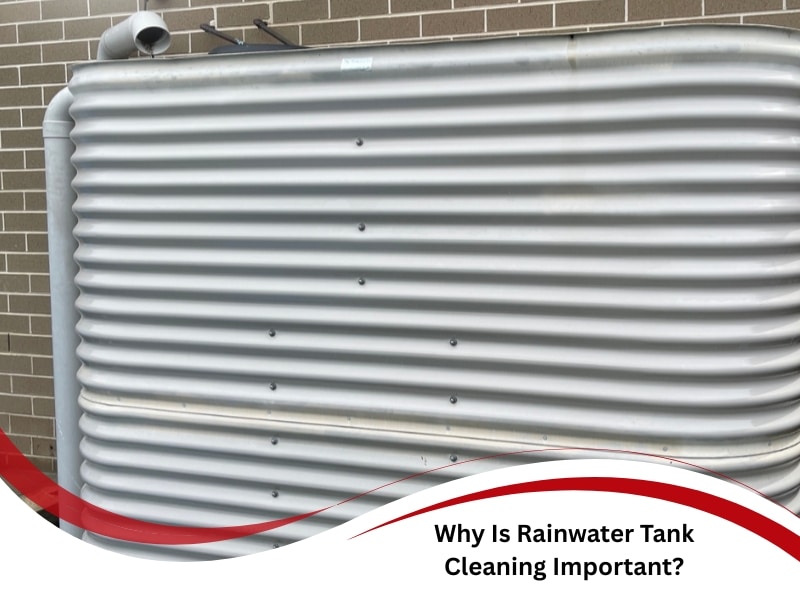
Why Is Rainwater Tank Cleaning Important?
Even a seemingly clean tank can be harbouring hidden risks, making rainwater tank cleaning more than just a chore—it’s essential for safety and system longevity. With contaminants accumulating inside, your water can taste foul, smell unpleasant, and even harbour bacteria. If left unaddressed, these problems can escalate rapidly, resulting in clogged pipes, damaged pumps, and health hazards. You won’t see the problem until it’s already hit. This article guides you through the causes, solutions, and maintenance tips to keep your water supply safe and your tank performing well.
What happens if you neglect cleaning your rainwater tank?
Neglect leads to visible and hidden damage. Start by understanding these risk points:
- Sediment buildup at the bottom reduces storage and clogs pumps, stressing your system. It also serves as a breeding ground for bacteria if not cleared regularly.
- Gutter and roof debris contamination increases organic matter in your water supply, clogs filters faster, and encourages mould.
- Algae blooms in warmer weather, resulting in cloudy and tainted water that requires more frequent flushing. This can cause unpleasant taste and odour in the household supply.
- Mosquito breeding in stagnant zones poses serious health hazards during warmer months and spreads diseases.
That’s why it’s smart to explore reliable solutions for effective rainwater tank cleaning to prevent minor issues from becoming serious trouble. Simple checks today can save big headaches later.
How does poor rainwater tank cleaning affect health?
Your water might look clear, but it still harbours unsafe contaminants. Consider these health risks:
- Bacterial contamination can enter via droppings or decomposing debris and cause illnesses ranging from mild stomach cramps to serious infections.
- Airborne spores, such as mould or algae, can exacerbate respiratory conditions like asthma or cause skin irritations when used in bathing.
- Parasites and insects thrive in nutrient-rich still water, even in sealed tanks. They may pass through basic filtration.
- Debris particles may trigger gut irritation or infections when used in food prep or consumed without treatment.
Staying consistent with inspections and cleaning reduces these dangers and helps protect your family’s health.
Why do rainwater tanks accumulate harmful buildup?
You might think your setup is self-managing, but organic and environmental factors still have an impact. Here’s what to watch:
- Rooftop runoff: brings dust, bird droppings, and other matter directly into your tank. Wind also adds pollen and small debris that bypass covers.
- Guarded gutters still allow fine particles, insects, and plant debris to pass through. Leaf guards slow, but don’t stop, the accumulation.
- Heavy rainfall: flushes accumulated pollutants into the collection system, especially after dry spells when debris is loose.
- Stagnant sludge: builds slowly at the tank’s base, escaping notice without yearly inspection and posing long-term material damage.
Ensure you understand how clearing stormwater blockages affects the quality of your tank’s inflow. Upstream maintenance has a direct impact on internal tank conditions.
Contamination often begins outside your tank. Here’s how:
| Source | Typical Contaminant | Potential Risk |
| Rooftop runoff | Bird droppings, dust | E. coli, Salmonella contamination |
| Overhanging trees | Leaves, organic debris | Algae blooms and nutrient loading |
| Faulty first‑flush | Dirty water is entering the tank | The system bypasses filtration completely |
| Damaged mesh | Insects, small animals | Mosquito larvae risk |
These factors make proactive maintenance essential, not optional.
When should you consider hiring a professional for cleaning your rainwater tank?

There comes a point where DIY simply won’t suffice. Watch for these signs:
- Sludge returns soon after cleaning, likely pointing to deeper sediment issues that can’t be resolved with surface rinsing alone.
- Discoloured or foul-smelling water: A signal of contamination or decomposing matter, possibly in hard-to-reach areas of the tank.
- Frequent filter blockages: suggest upstream buildup or decaying organic input from gutters and screens.
- Inaccessible interiors, such as deep tanks or narrow openings, limit safe DIY access and increase the risk of injury.
- No interior checks for over two years: This means risks are likely building up unnoticed, potentially damaging tank linings.
If these sound familiar, it’s time to act. Don’t delay when the signs are clear—essential considerations before installing household water tanks also highlight how design impacts ease of cleaning.
Can regular tank cleaning extend your system’s lifespan?
Clean tanks mean more than just cleaner water. Regular care protects your entire system:
- Removes corrosive organic layers, helping to preserve tank materials and paint, especially in poly and metal units.
- Controls algae blooms by reducing surface staining and inner tank wear, thereby preventing biofilm buildup.
- Reduces mechanical wear: sediment-free water protects filters and pumps, reducing motor strain and energy use.
- Spot small leaks or damage early: avoiding bigger repair bills and unexpected water loss, especially in summer,
- Improves water flow and pressure, ensuring a smooth supply even in dry months and enhancing usability for gardens or indoor plumbing.
It also helps retain warranties and performance specs. For even greater resilience, explore emergency preparedness guidelines for rainwater tanks to cover seasonal and unexpected disruptions.
What are the best practices for rainwater tank maintenance?
Consistent upkeep gives you more value with fewer issues. Use these strategies:
- Install and maintain first-flush diverters to prevent debris from entering the tank with each rainfall, thereby reducing the load on internal filters.
- Clear gutters regularly to minimise debris before it reaches your system, and inspect them after storms to catch sudden blockages.
- Fit mosquito‑proof mesh: secure inlets, vents and overflows from pest intrusion and maintain screen integrity across seasons.
- Select the appropriate filters, matching them to your water usage—whether for drinking or irrigation—and replace them according to the manufacturer’s instructions.
- Use a dipstick or hatch for annual sludge checks to catch problems before they escalate, especially after periods of heavy rainfall.
- Clean out tanks thoroughly every 2–3 years to refresh your water system, restore flow quality, and extend the life of other components.
Together, these practices limit problems before they even begin.
Final thoughts
You won’t get clean water from a dirty system. Tanks that go unchecked often turn smelly, slimy, and dangerous. But it’s easy to stay ahead with a routine. If your setup is complicated or overdue for a clean, ask Apex Plumbing Services about your tank cleaning needs. It’s a practical way to get safe water back, hassle-free.