







Should You DIY Clearing of Blocked Stormwater Drains?
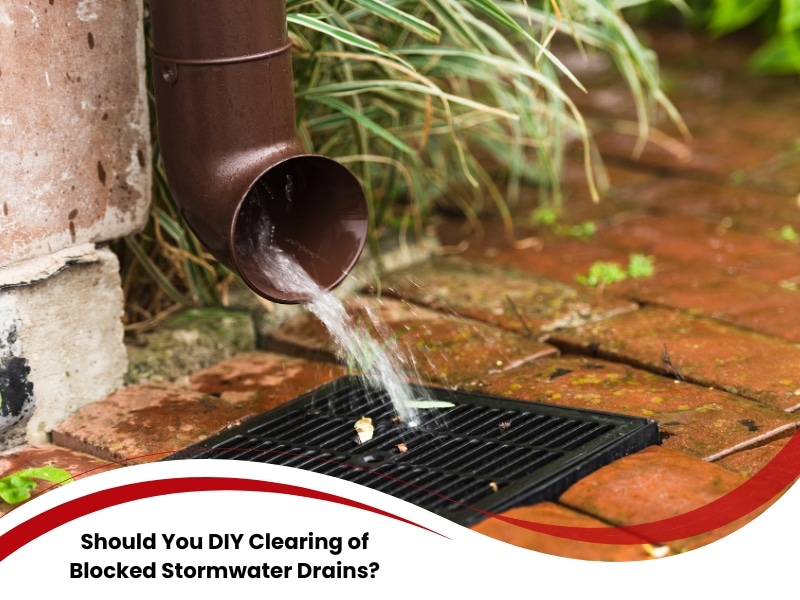
When your outdoor drainage backs up during heavy rain, the question arises: Is clearing blocked stormwater drains something you can tackle yourself, or is it time to call in a professional? You need a clear answer, especially when storms hit and water pools around your property. This blog drills into what causes blockages, the real risks of getting it wrong, and exactly when DIY is safe versus when expert help is essential. You’ll walk away confident knowing when to act quickly and when to reach out to a pro, without fluff or guesswork.
What causes stormwater drains to become blocked?
Blocked stormwater drains don’t just happen overnight. Usually, tree roots sneaking in and grit accumulating are the main culprits. Here’s why:
- Leaves, twigs and organic matter wash in during rain
- Fines from patios, driveways, and soil settle over time
- Roots search for moisture, enter through cracks, and then expand
Stormwater clogs from tree roots and debris become a regular issue without proper maintenance. Once roots find their way into ageing or cracked pipes, they grow back again and again, especially after heavy rain. That’s why consistent clearing and root prevention are key to stopping repeat blockages.
Regular cleaning is essential. If organic debris builds up, small clogs grow until they block the pipe. Also, any cracks or poorly sealed joints provide entry for roots, and roots can cause persistent problems as they continue growing.
Why do stormwater blockages keep coming back?
Repeated blockages aren’t just annoying—they hint at underlying issues. Consider these common reasons:
- Roots regrow within months: once damaged, roots re-enter quickly
- Sediment compacts after you flush, especially in sloped pipes
- Poorly installed pipe sections allow material to gather
- Seasonal leaf drop or nearby plantings flood the drain
Without addressing the cause—which might be pipe damage, a design fault, or persistent root intrusion—it’s like mopping without fixing a leak: the problem keeps coming back. You’ll get more reliable results by exploring cost-effective solutions for stormwater backups. This will resolve the issue at its source rather than chasing symptoms each season.
How can an unresolved blockage damage your property?
Leaving a stormwater drain blocked can escalate rapidly:
- Water may pool around foundations, causing basement leaks or slab uplift
- Surface flooding leads to soggy lawns and destabilised paving
- Pressure builds within pipes, risking pipe collapse or joint failure
- Overflow can erode soil, undermine structures, or pollute local waterways
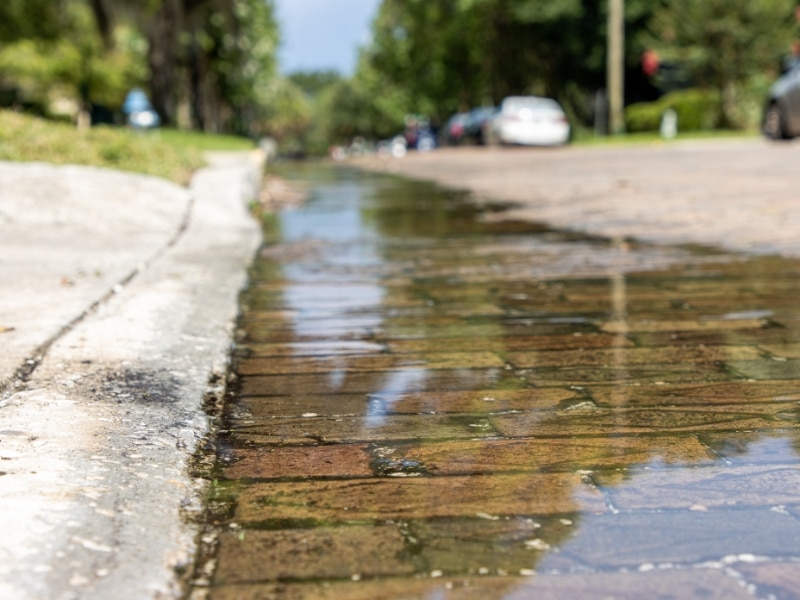
Letting blockages linger can create expensive structural damage over time. A small issue today might lead to a huge headache later, so prompt action is wise.
What DIY methods are safe for clearing blocked stormwater drains?
When you want to tackle blockages yourself, these options are worth considering:
- Manual removal using a drain snake or water-jet pump
- Low‑pressure garden hose flushes with controlled flow
- A DIY wet‑vac to extract leaves and sand
- Pipe-cleaning tools from hardware stores
Benefits include saving on service calls and letting you act quickly. But be realistic: using a hose to blast a clog deep within can just push it further in, potentially causing more serious issues. Below is a handy comparison of DIY methods and their pros and cons:
[wptb id=25106]
Always start with the least aggressive method and know when to stop.
When should you call a professional to handle the blockage?
Professionals bring tools and insight beyond DIY:

- High‑pressure jetting clears roots, grit, silt, and grease
- CCTV inspection locates damage or infiltration points
- Pipe relining or replacement solves root entry — a permanent fix
- Licensed plumbers guarantee safe water flow restoration
If you’ve tried your best without success or notice major damage, avoid digging deeper. It’s wise to understand the use of pressure systems in storm drain cleaning, especially when a DIY flush only makes things worse. In those cases, professional tools and expertise often deliver the result you need. For most systems, having the know‑how and the right tools means you can save a stack. But major clogs, or signs of structural damage, are a clear sign it’s time to call in a pro.
Do certain homes need more frequent stormwater drain clearing?
Yes—some setups require closer attention:
- Properties surrounded by mature trees need seasonal checks
- New builds may settle, causing joint misalignment or sagging pipes
- Clay, terracotta, or flexible pipes are vulnerable to root damage
- Sloped or long roof drainage runs accumulate debris quickly
When considering your next steps, focus on methods to manage outdoor drainage. This will keep water flowing cleanly and reduce blockages. For instance, regular flushing combined with a wet‑vac cleanout provides a solid first line of defence without turning to aggressive measures.
Final thoughts on clearing blocked stormwater drains safely
When a drain passes water without issue, it’s easy to overlook the hidden threats lurking underground. But repeating blockages, root intrusion and accumulating debris demand attention—and may need more than a quick DIY fix. Use gentle methods first; escalate only if problems persist or risk structural damage.
For those times when deeper diagnostics or equipment are needed, you can get expert drainage advice from Apex Plumbing Services about clearing blocked stormwater drains. It’s a calm, clear way to ensure you don’t end up with a bigger issue.
At the end of the day, balancing proactive care with sensible decision‑making helps you protect your property. Stick with easy maintenance, respond early, and bring in the right team when your drains won’t budge.

