



Safe Ways to Deal With a Blockage at Home
The safest methods for clearing the blockage rely on gentle techniques matched to your pipes and the blockage type—think high-pressure water used professionally, natural overnight cleaners, and non-scratch mechanical tools. These protect seals and finishes, cut odours, and restore flow without creating new issues. Heavy chemicals and forceful DIY gear raise risk when materials are unknown or ageing, so a careful approach matters. This article explores practical ways to protect your plumbing, reduce mess, and decide when expert help is the smarter choice for clearing the blockage.
Why do home drains keep getting blocked so often?
Home drains keep getting blocked because every day, debris, marginal pipe fall, and fine roots restrict flow faster than routine flushing can clear, while small design compromises and habits turn minor slowdowns into frequent stoppages.
- Hair twists into dense nets that trap lint and product residue at bends and traps, creating mats that resist casual plunging and quick home remedies—though preventing shower drain blockages with a drain guard can significantly reduce this common issue before it starts.
- Grease cools on pipe walls and binds with soap, forming layers that grow with each rinse until flow slows and odours appear around fixtures.
- Long, flat runs lack scouring velocity, causing particles to settle out and build ridges that catch new debris, which in turn triggers recurring maintenance across busy weeks.
- Fine tree roots follow moisture through tiny cracks, spreading inside joints and steadily choking pipes with organic growth and accumulated sediment.
Small habit shifts help. Strainers, plate-scraping, and warm post-wash flushes remove feedstock before it hardens. Vent and fall checks help the system self-clean. For everyday causes and prevention patterns, see reasons why your drain may keep getting blocked. Addressing root causes early keeps routines on track without constant troubleshooting.
How can ignoring minor blockages lead to costly damage?
Ignoring minor blockages leads to costly damage because restricted flow lifts pressure, drives leaks at weak joints, and allows wastewater to back up into vulnerable areas where moisture, corrosion, and mould take hold.
- Standing wastewater dissolves protective coatings and accelerates pitting, so traps and wastes corrode sooner and require replacement to restore safety and hygiene.
- Pressure spikes force seepage through hairline gaps, wetting timber and plasterboard; persistent damp invites mould that demands careful removal and containment efforts.
- Appliances can draw contaminated water during backflow events, shortening their lifespan and creating hygiene risks that require disinfection and sometimes parts.
- Stormwater that can’t discharge floods yards and paths, undermining soil and paving and adding excavation, reinstatement, and waterproofing to mounting costs.
Before you book anything, consider the factors that affect the cost of clearing blocked drains so you can weigh DIY against a scoped repair and set a realistic budget. Early action avoids costly water damage, safeguards indoor air, and reduces the chance of hidden leaks that quietly become major problems.
Could the wrong cleaning method damage your pipes?
The wrong cleaning method can damage pipes because harsh chemicals, excessive heat, and unguarded tools compromise seals, scratch internal walls, and create cracks that worsen with daily use—so poor technique multiplies risk rather than solving it
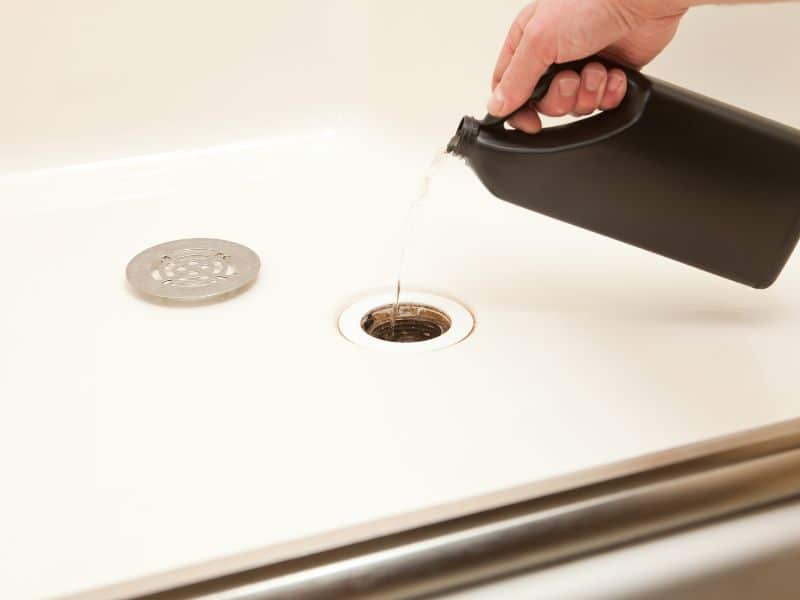
- Strong caustic or acid products attack rubber and older metals; harsh chemicals can ruin seals, causing leaks soon after an apparent quick fix.
- Unguided steel cables gouge thin PVC, leaving burrs that snag fibres; each catch shortens the time between messy re-blockages and inconvenient overflows.
- Boiling water shock-heats or cools brittle components, forming micro-cracks that expand as temperatures swing through normal morning and evening use.
- Over-enthusiastic plunging can unseat wax or silicone, causing concealed drips that stain cabinetry, encourage pests, and require remedial joinery work.
A safer approach starts with reading labels, using guards, and testing gently. Match the tool to the pipe, increase effort in small steps, and stop if resistance changes suddenly. When margins look slim, pausing for the right equipment beats forcing a result that creates a larger, costlier problem later.
Which household tools are safe to use
The most effective tools for safe clearing are sink and toilet-specific plungers, hand augers with guides, natural overnight cleaners, strainers, and professionally operated high-pressure jetting—chosen to suit both blockage material and pipe condition.
- Use a cup plunger on sinks and a flange plunger on toilets to create a tight seal that shifts obstructions without stressing delicate seals or enamel.
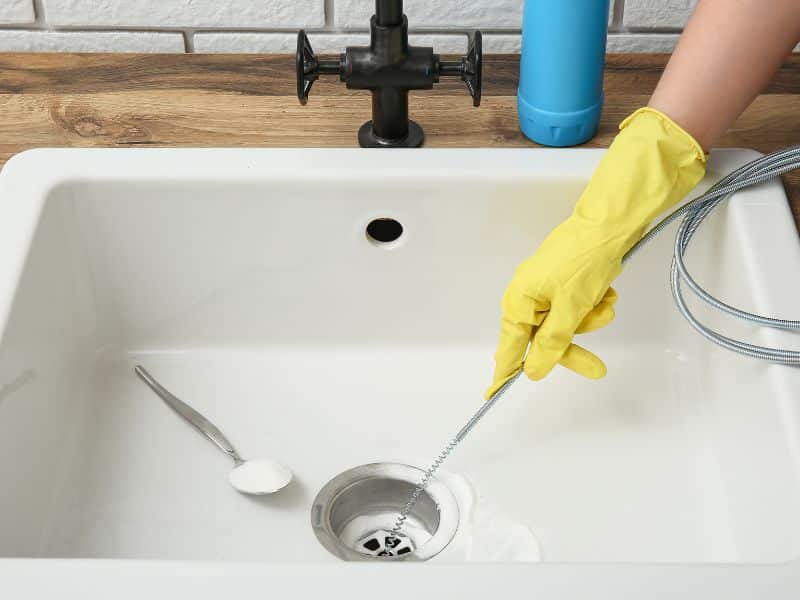
- Select a hand auger with a plastic guide tube, feed slowly, and retrieve hair or soft clogs without scratching bends or abrading internal pipe walls.
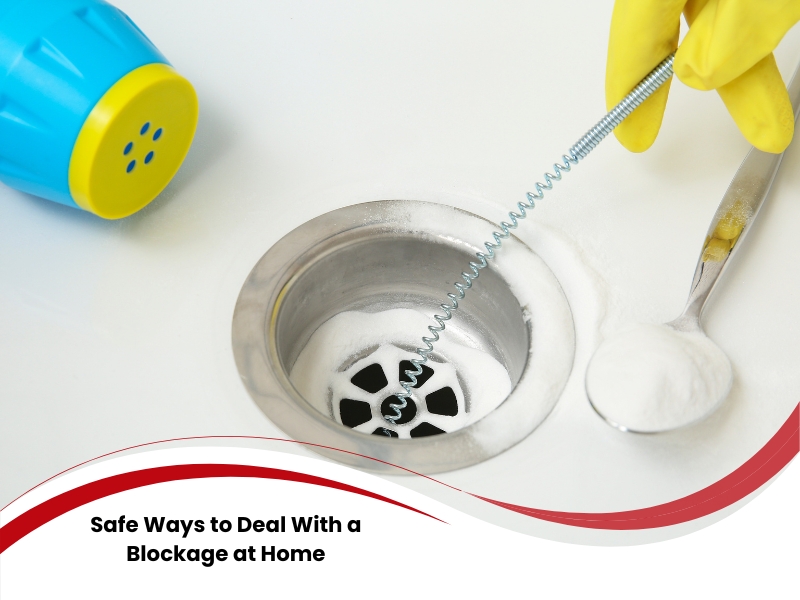
- Apply a natural cleaner overnight: pour ½ cup bicarb into the waste, add 1 cup warm water, leave to work, then flush; odour-friendly and surface-safe.
- Reserve high-pressure jetting for external lines with silt and leaves, ideally by trained technicians, to protect fragile sections while restoring wall cleanliness.
When you want a safe, scoped fix without guesswork, consider reliable drain-clearing solutions for blocked drains in Sydney homeowners face—a straightforward way to match proven methods to your home and timeline.
| Tool / Method | Best For | Key Advantage | Watch-out |
| Cup/flange plunger | Sinks, toilets | Fast, no power needed | Over-plunging can unseat seals |
| Hand auger (guide tube) | Hair and soft obstructions | Precise, low risk | Can scuff if the guide is not used |
| Natural cleaner (overnight) | Organic film and light buildup | gentle on septic systems | Slow; not for solid objects or root ingress |
| High-pressure jetting | External lines, silt, leaves | Thorough wall cleaning | requires skill; can worsen small cracks |
| Strainers/guards | Ongoing prevention | Cheap, easy habit | Needs regular cleaning |
Which natural methods actually do something
The best natural methods for clearing the blockage are warm water with mild detergent, natural overnight cleaning, mechanical capture with strainers, and ventilation or fall improvements that promote self-cleaning and reduce odours.
- Pour hot—not boiling—water, then a small amount of detergent; reduced surface tension helps fats release without shocking older plastics or ceramic components.
- Combine shower hair traps with monthly natural cleaning so organic matter breaks down gently, keeping odours low and extending time between routine cleans.
- Fit mesh strainers in kitchen sinks and empty them daily; removing scraps at the source prevents sticky layers that anchor new debris and residues.
- Improve ventilation and fall where feasible so the system maintains scouring velocity and clears everyday particles during normal household use with less effort.
To reduce repeat clogs after you clear the line, consider site drainage too—start with improving home drainage through smart stormwater design so heavy rain doesn’t push debris into internal pipes. Combined habits and property-wide prevention make maintenance smoother, and prevention beats heavy repairs over the long term.
Calling early saves time and limits disruption. Accurate diagnosis narrows the scope, guides the correct method, and reduces cleanup. It also protects finishes and fixtures by preventing missteps that lead to larger excavations or multiple return visits, especially when materials are fragile or access is tight.
Keeping drains clear day to day
Safe and effective drain cleaning means matching methods to materials, starting gently, and preventing future buildup through simple daily habits. Keep notes on symptoms and timing, clear small obstructions before they escalate, and plan seasonal checks before heavy rain. When questions arise or you want a straightforward path to resolution, explore how Apex Plumbing Services combines safety and quality in every repair.

