

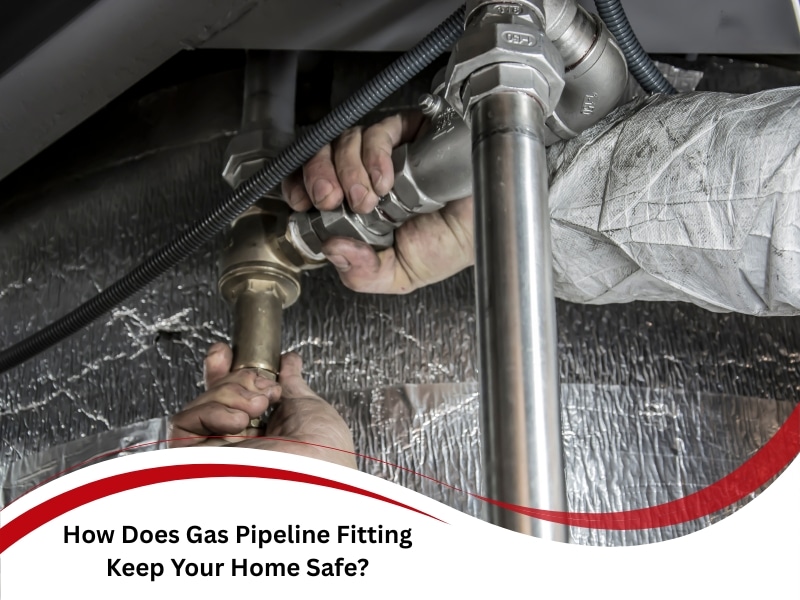
How Does Gas Pipeline Fitting Keep Your Home Safe?
Gas pipeline fitting keeps your home safe by ensuring gas flows securely through sealed, properly installed pipes without leaks or pressure loss. A sound gas pipeline fitting system prevents explosions, fires, and carbon monoxide build-up that could threaten lives and property. In a country like Australia, where natural gas powers many homes, reliable fitting work is crucial to safety. This article explores how precise installation and ongoing inspection make a real difference in protecting your household from hidden dangers.
Why can faulty gas lines become a hidden safety risk?
Faulty gas lines can become a hidden safety risk because leaks and loose joints often go unnoticed until they cause severe damage. Even a small crack or worn connection can allow gas to escape silently, posing both explosion and poisoning hazards. Over time, this can lead to rising utility bills, property damage, and major health threats. Here are the main risks linked with poor gas line maintenance:
- Slow leaks release odourless gas that mixes with air, creating an explosive hazard when exposed to heat or electrical sparks.
- Old pipes corrode and weaken, leading to unpredictable pressure levels that may damage nearby appliances.
- Undetected leaks may cause carbon monoxide buildup, which can make residents dizzy or seriously ill over time.
- Faulty seals can reduce gas appliance efficiency, making systems work harder and consume more energy than necessary.
These issues can stay out of sight for months, which is why preventive checks matter. Professional plumbers can detect early signs before they escalate into emergencies. Proper installation and ongoing inspection form the first line of defence against these silent but dangerous problems.
What problems arise when gas pipeline fitting is ignored?
Ignoring gas pipeline fittings can create a chain reaction of safety issues that slowly damage your system and endanger your home. Each poorly sealed joint or worn pipe adds unnecessary risk and expense. Here are the main consequences of overlooking this critical task:

- Fire hazards increase when a leak comes into contact with open flames or static discharge around the home.
- Gas pressure inconsistencies can cause flame failure in heaters, stoves, or water systems, leading to repeated malfunctions.
- Moisture intrusion in metal pipes speeds up corrosion and may even collapse sections of your gas line.
- Blocked or partially sealed joints allow tiny gas leaks that go undetected until major repair work is needed.
If these problems sound familiar, it’s time to consider reliable gas fitting installation solutions. Having a licensed plumber manage your gas system ensures every seal is safe, every pipe is properly aligned, and your home remains protected from the hidden dangers of faulty gas connections.
Could poor gas pipeline fitting lead to dangerous leaks?
Poor gas pipeline fitting can lead to dangerous leaks because incorrect seals and unapproved materials weaken over time. As pipes expand and contract with temperature changes, these flaws open small gaps where gas seeps out. Here are the main factors that make leaks so hazardous:
- Incomplete pipe sealing allows gas to escape inside walls or under floors without immediate detection.
- Unsecured joints vibrate loose due to constant appliance use or pressure changes in the system.
- Substandard materials degrade quickly, especially in outdoor environments exposed to moisture and corrosion.
- Improperly tightened fittings lead to unstable connections that can suddenly give way, creating immediate danger.
Leaks not only pose fire and explosion risks but also strain your budget through wasted fuel. This is why recognising signs your gas meter might not be working properly is a crucial safety measure. Prompt professional attention can stop small issues from spiralling into severe damage or medical emergencies.
What steps ensure a proper gas pipeline fitting installation?
Proper gas pipeline fitting installation involves more than simply connecting pipes; it requires precision, testing, and certification to meet Australian standards. Here are the essential steps that guarantee a secure and long-lasting system:
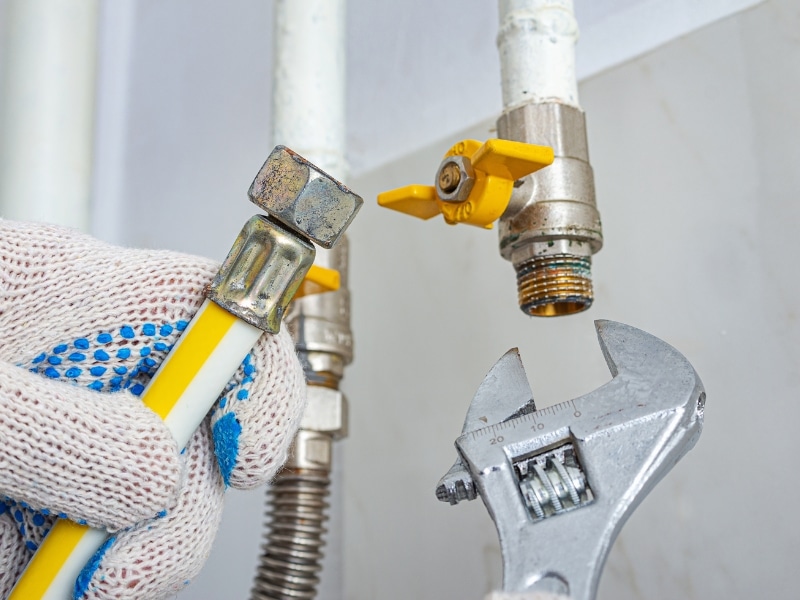
- Assessing site and load requirements helps determine pipe sizes and materials best suited for the property.
- Testing gas pressure before installation ensures the system can handle expected flow rates safely.
- Applying correct sealing compounds keeps joints airtight, protecting them from leaks or degradation over time.
- Conducting post-installation inspections verifies that every connection meets regulatory codes and performs under real conditions.
Qualified plumbers use specialised detection tools to confirm system integrity. This step prevents the dangers that come with poorly maintained gas devices, giving you confidence that your gas network is both safe and compliant.
When should you call a licensed expert for gas pipeline fitting?
You should call a licensed expert for gas pipeline fitting whenever you notice unusual smells, appliance issues, or system irregularities. Waiting too long increases the chance of leaks or operational failure. Here are the clear warning signs that it’s time to involve a professional:
- Persistent sulphur or rotten egg smell suggests leaking gas that demands urgent attention.
- Uneven flame patterns on stoves or heaters signal inconsistent pressure levels that could mean a blockage.
- Higher gas bills without increased usage often indicate hidden leaks or inefficiency within the system.
- Strange noises or vibrations from your gas appliances may show unstable pressure within the lines.
Below is a simple reference table showing when expert help is most essential:
| Situation | Why You Should Call a Licensed Gas Fitter | Potential Outcome if Ignored |
| Detecting a gas smell indoors | Indicates a possible leak needing immediate inspection | Explosion or carbon monoxide poisoning |
| Sudden spike in gas bills | Suggests system inefficiency or slow leak | Wasted energy and ongoing risk |
| Flickering or orange flames | Shows unstable pressure or air mixture | Fire hazard or incomplete combustion |
| Installing new appliances | Ensures correct connections and testing | Risk of leaks or poor performance |
If these symptoms appear, act quickly. Gas leaks are not something to gamble with. Addressing problems early protects both your home and your health. Ignoring them can expose your family to health risks linked to prolonged LPG exposure, which can lead to serious respiratory or neurological effects.
Which safety checks are vital after gas pipeline fitting?
Safety checks after gas pipeline fitting are vital because they verify the entire system’s stability and compliance with Australian standards. These inspections confirm that no leaks exist and that gas pressure remains steady. Here are the key checks every homeowner should prioritise:
- Pressure testing under load ensures that gas lines remain sealed and stable during regular appliance use.
- Leak detection using calibrated sensors helps identify even the smallest gas seepage early.
- Visual inspection of joints and fittings confirms all seals remain secure and properly tightened.
- Carbon monoxide detection provides an extra safety layer for homes using multiple gas appliances.
Routine maintenance prevents unexpected emergencies and maintains energy efficiency. By scheduling annual professional inspections, you protect your investment and safeguard everyone under your roof.
Final thoughts on maintaining safe and reliable gas connections
Maintaining safe and reliable gas connections depends on professional installation, regular testing, and early detection of faults. Proper gas pipeline fitting provides the security every homeowner deserves, protecting property and loved ones from invisible dangers. For long-term safety and compliance, discover how Apex Plumbing Services ensures safe gas systems.

