



Why Your Sink Keeps Gurgling (And What It’s Telling You About Your Plumbing)
A gurgling sink can sound harmless — like the pipes are just “talking”. But in most cases, that noise is your plumbing giving you a clue: blocked drains are making it harder for air to move through the system the way it should.
In Sydney homes (especially older terraces, renovated kitchens, and apartments with shared stacks), gurgling tends to show up for a handful of repeat reasons. Some are easy to rule out. Others are early warning signs that a small issue is becoming a bigger one.
This guide explains what the gurgle usually means, how to read the patterns, what you can safely check without wrecking your pipes, and the clear “stop here” triggers.
What the gurgling sound actually is
In plain terms, the gurgle is air moving through water where it normally shouldn’t.
Your drains aren’t just “pipes that take water away”. They’re part of a system designed to:
– move water out quickly
– allow air in behind it (so flow stays smooth)
– keep sewer gases out of your home using water seals (usually in the P-trap under the sink)
When something interrupts the airflow (venting) or slows the water (a restriction building up), pressure changes can pull or push air through the trap. That’s when you hear bubbling, glugging, or a hollow “whoomp” as the sink drains.
Quick pattern check (this matters more than you think)
Before you do anything, note these three things. They’ll usually point you in the right direction:
– Is it one sink only, or multiple fixtures (sink + shower + toilet)?
– Does it happen only when that sink drains, or also when the toilet flushes/washing machine runs?
– Is there any smell (especially a sewer gas smell), slow draining, or water backing up?
Those patterns are often more useful than the sound itself.
The 6 most common causes of a gurgling sink
1) A partial restriction is forming in the line
This is the most common scenario: the sink still drains, but not smoothly. Water hits a “narrowed” section (grease, soap scum, hair, coffee grounds, food residue), and the flow starts to surge. Surging water traps and releases air pockets — gurgle.
In Sydney, kitchen sinks often gurgle because of grease build-up. It’s not always dramatic. Even a thin layer can narrow the pipe enough to create noise and slow flow over time.
Signs it’s this:
– gurgling is worse when the sink is running fast
– water pools briefly, then drains
– problem gradually worsens over weeks/months
– smells appear after heavy cooking periods
2) A venting issue (blocked vent stack or poor airflow)
Plumbing vents let air enter the drainage system so water can move without creating suction. If a vent is blocked (debris, birds’ nests, leaf build-up) or poorly configured after renovations, the system can’t “breathe”.
When that happens, draining water creates negative pressure and tries to pull air from the easiest place — often through your sink trap. That can cause gurgling and, in some cases, siphon water out of the trap (which leads to smells).
Signs it’s this:
– gurgling happens even when the sink drains normally
– the gurgle is worse when other fixtures run
– odours appear, then fade
– it’s more noticeable in windy weather or after roof debris builds up
3) The sink trap is being siphoned (trap seal loss)
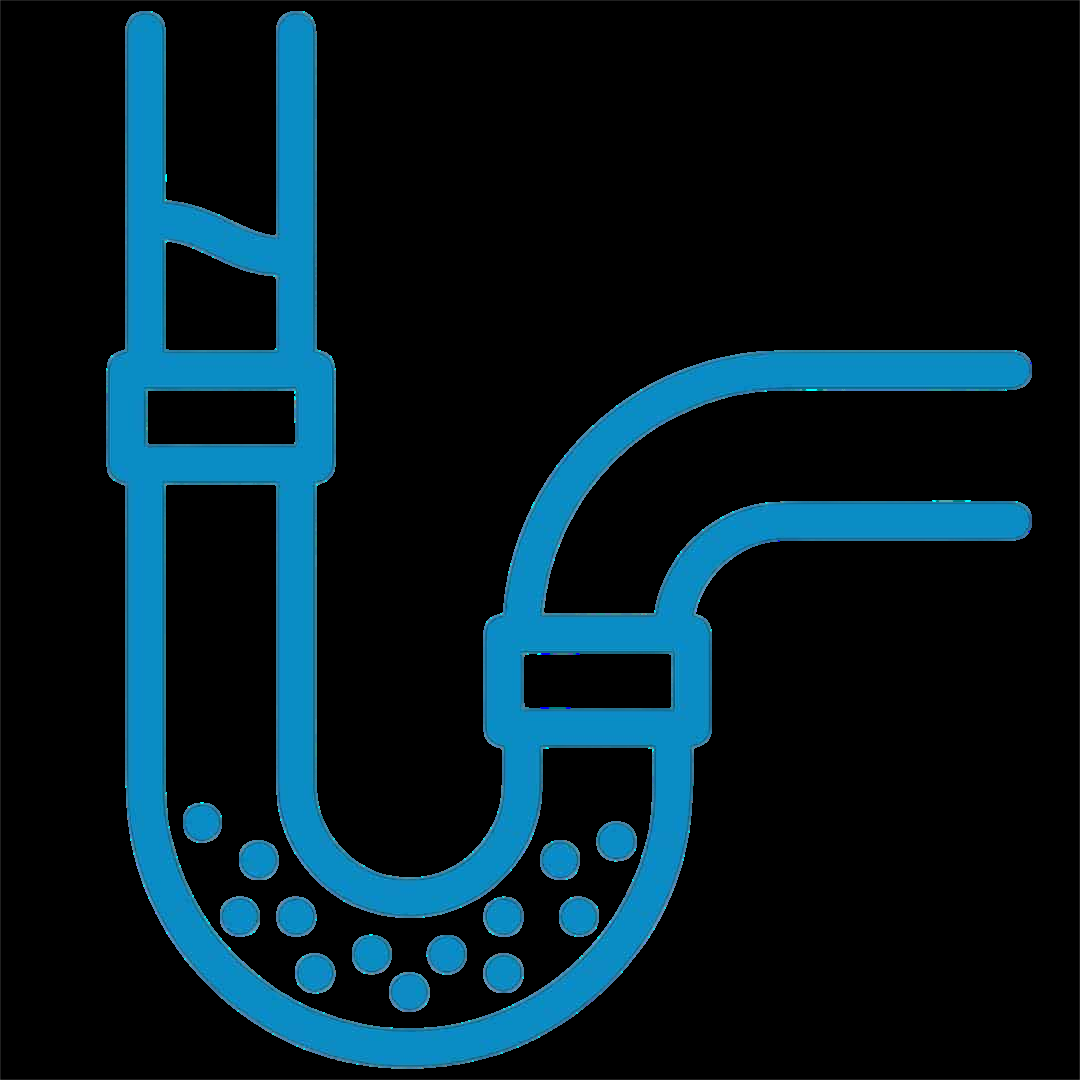
Under your sink is a U-shaped bend (P-trap or S-trap in some older setups). It holds a small amount of water that blocks sewer gases.
If pressure changes siphon that water out — even partially — you can get:
– gurgling
– intermittent sewer smells
– a “dry” drain smell that comes and goes
Sometimes you’ll notice the smell first, then realise the gurgling has been happening for weeks.
Signs it’s this:
– gurgle + odour combo
– smell is stronger after the sink hasn’t been used
– running water briefly improves it (because the trap refills)
4) A downstream issue affecting multiple fixtures
If the restriction is further down the line (not just the sink branch), you may see strange cross-effects:
– sink gurgles when the toilet flushes
– shower drain gurgles when the washing machine empties
– bubbles appear in the sink when another fixture runs
This is more common in:
– apartments (shared stacks)
– older homes with combined lines
– homes with long runs to the main connection
Signs it’s this:
– more than one fixture is involved
– toilet flushing affects the sink
– multiple gurgles across the home
– any back-up is a serious red flag
If you’re at the point where you’re looking for what to do when your sink starts backing up, treat it as an escalation point rather than a “keep trying more DIY” situation.
5) Dishwasher or appliance drainage issues
In kitchens, the gurgle can come from how an appliance drains into the sink line. A common culprit is the dishwasher hose setup:
– no “high loop”
– issues at the connection point
– build-up at the dishwasher spigot or branch
When the dishwasher pumps out, it can create a quick surge that triggers gurgling even if the sink itself seems fine.
Signs it’s this:
– gurgle happens at the end of a dishwasher cycle
– sink looks normal most of the time
– noise feels “sudden” rather than gradual
6) Stormwater and heavy rain effects (Sydney-specific)
After heavy rain, Sydney homes can experience temporary changes in flow conditions — especially if there are legacy connections, older pipework, or external drains interacting with household drainage pathways.
Even if your sink isn’t directly connected to stormwater, heavy rain can coincide with:
– saturated ground affecting older pipes
– debris movement in external drainage points
– sudden load on shared or older infrastructure in dense suburbs
If gurgling appears after heavy weather and you also notice slow drainage in other areas, that’s a strong clue it’s not “just the sink”.
Q&A: Why does my sink gurgle when I flush the toilet?
When a toilet flush makes your sink gurgle, it usually means the two fixtures share a pathway (or are connected through a common vent/stack), and the flush is creating pressure changes in the system.
The most common reasons:
– a developing restriction downstream
– a venting problem (air can’t enter freely)
– shared stack effects in apartments
If it’s occasional with no other symptoms, monitor it. If it becomes frequent, involves smells, or you see any slow draining elsewhere, assume it’s a system-level issue — not a sink-only problem.
Safe checks you can do at home (without damaging your plumbing)
These checks are designed to be low-risk. If any step reveals alarming symptoms (overflow, sewage smell, water rising in other fixtures), stop and escalate.
1) Confirm whether it’s one fixture or many
Run these in order:
– drain the sink bowl quickly (plug out, full bowl)
– flush the toilet (listen at the sink)
– run the shower briefly (listen at the sink)
If multiple fixtures cause the sink to gurgle, that’s a strong sign the issue is beyond the sink branch.
2) Check the trap and connections for obvious problems
Under the sink:
– look for leaks, loose slip nuts, and misaligned fittings
– note whether the trap looks unusually shallow or oddly configured after renovations
If you’re in an apartment, note that some “odd behaviour” can be shared-stack related — not always inside your unit.
3) Use hot water and detergent (kitchen sinks only)
For grease-related noise:
– boil a kettle
– add a small amount of dishwashing detergent into the drain
– follow with hot (not boiling) water in stages
This won’t fix a serious restriction, but it can reduce grease film and improve flow enough to confirm what’s happening.
4) Try a plunger (correctly)
If the sink is gurgling and draining slowly:
– block the overflow opening if your sink has one (wet cloth works)
– add enough water to cover the plunger cup
– plunge firmly 10–15 times
– retest
Avoid aggressive plunging if you’ve recently used chemicals (splash risk).
5) Clean the pop-up waste/strainer area
Sometimes the issue is right at the top:
– hair and soap build-up in bathroom basins
– food and grease residue in kitchen strainers
Remove and clean any removable components safely.
What to avoid (these “fixes” often backfire)
Avoid caustic drain chemicals as a routine solution
They can:
– damage older pipework and seals
– harden grease into a more stubborn mass
– create hazardous splash/exposure risk, especially if you later need mechanical clearing
Avoid pushing deeper with cheap, flimsy snakes
Improper snaking can:
– puncture or dislodge old fittings
– compact debris further down
– create leaks you won’t see until later
Avoid ignoring smells
A sewer gas smell is not something to “mask”. It can indicate trap seal loss or ventilation issues. Fixing the airflow and water seal problem matters more than pouring something scented down the drain.
Q&A: Is a gurgling sink dangerous?
The gurgle itself isn’t typically dangerous, but the cause can become urgent.
A gurgling sink becomes a higher priority when:
– there’s a sewer gas smell
– water drains slowly and gets worse
– multiple fixtures are affected
– water backs up anywhere
– you hear gurgling from a toilet, floor waste, or shower at the same time
If you’re seeing those patterns, it’s a good moment to focus on signs that the problem is deeper than the sink rather than trying stronger DIY methods.
Sydney-specific scenarios (what the patterns usually mean)
Older terraces and semis (inner suburbs)
Older homes can have:
– legacy pipe layouts
– long runs to the main connection
– sections with older materials that catch debris
Gurgling here often starts as a gradual restriction but can be influenced by external factors like root intrusion in older lines.
Renovated kitchens and bathrooms
Renovations sometimes create:
– awkward gradients (pipes not sloped correctly)
– long horizontal runs
– venting changes that reduce airflow
If gurgling appeared after a renovation, don’t assume it’s just “settling in”. It can be a configuration problem that slowly worsens.
Apartments and strata buildings
A gurgling sink in an apartment may be affected by:
– shared stacks
– neighbours’ water use
– partial restrictions in common lines
– roof vent issues that affect multiple levels
If multiple apartments report similar symptoms, it’s often a building-wide issue rather than an individual unit problem.
Prevention that actually helps (without overcomplicating it)
For kitchens:
– Wipe greasy pans with a paper towel before washing
– avoid tipping cooking oils down the sink (even “small amounts”)
– run cold water briefly when using the garbage disposal (if you have one), then follow with a good flush
– keep strainers in place to catch food debris
For bathrooms:
– use hair catchers and clean them weekly
– avoid washing plaster, grout, or renovation residue into basins
– if you have kids, keep “random objects” away from drains (you’d be surprised)
For Sydney households, Sydney Water’s Save Our Sinks guidance is a helpful reference for what should and shouldn’t go down household drains.
When to stop DIY and escalate
Use these as firm triggers:
– the sink is gurgling and draining more slowly each week
– any fixture backs up or overflows
– gurgling spreads to multiple drains
– there’s a persistent sewer smell
– you notice bubbling in the sink when other fixtures run
– plunging and basic cleaning make no difference
At that point, you’re not chasing a “noisy sink” anymore — you’re dealing with a drainage system problem that may require proper diagnosis (and sometimes inspection) to avoid pipe damage.
If you’re unsure whether you’ve crossed that line, a good rule is this: if you’re searching for a professional blocked drain solution in Sydney, you’ve probably already seen enough symptoms to justify escalation.
FAQ
Why does my sink gurgle but still drain?
A partial restriction or airflow issue can cause gurgling before the drain fully slows down. Think of it as an early warning: flow is still happening, but not smoothly.
Why does my sink gurgle after I run the dishwasher?
Dishwashers pump water out quickly. If the hose setup is poor or there’s a build-up in the branch line, that surge can trap and release air, creating a gurgle.
Why does my sink gurgle and smell sometimes?
Gurgling plus smell often points to trap seal loss (water in the trap being siphoned) or ventilation issues. The smell can come and go because the trap refills when you run water.
Can a blocked vent cause gurgling?
Yes. If the vent can’t admit air, draining water creates suction and pulls air through the trap. That can sound like bubbling and may also lead to odours.
Is it normal for pipes to gurgle in an apartment building?
Occasional noise can happen, but repeated gurgling — especially linked to toilet flushes or neighbour activity — can indicate shared stack airflow or restriction issues that should be investigated.
What’s the fastest safe thing I can try?
Start with observation (single vs multiple fixtures), then clean the strainer/pop-up waste, try a correct plunge, and use hot water + detergent for kitchen grease. Avoid caustic chemicals as a “first resort”.
When should I worry about a gurgling sink?
Worry (and escalate) if there’s smell, slow drainage worsening over time, multiple fixtures involved, bubbling during toilet flushes, or any back-up.

