


What a Pipe Liner Is and How It Ages
Most people who ask us about pipe relining have already had a scare. A drain keeps blocking, or a camera inspection has turned up a cracked or root-damaged pipe, and now the choice is between relining the pipe or digging it up and replacing it.
Relining is quicker and far less disruptive, but it is still an investment, so the sensible last question is this. How long will a relined pipe actually last, and is it worth the money? Here is a straight answer for a Sydney home.
What the liner is made of and how it cures
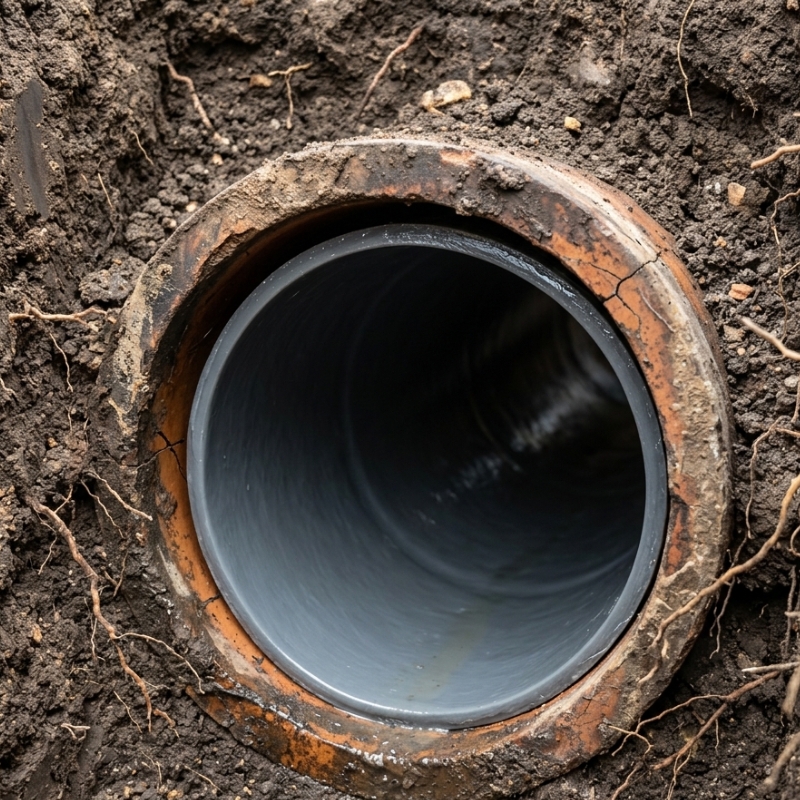
Pipe relining works by installing a resin-saturated liner inside your existing pipe and curing it in place, so it hardens into a smooth new pipe within the old one. There are no joints for roots to push through and no seams to work loose, which is a big part of why a properly installed liner is designed to last for decades rather than years.
The finished result behaves like a brand new pipe, without the trench across your yard. If you want to see how pipe relining Sydney works from the first inspection through to the cured liner, the service page walks through each step.
What shortens or extends that lifespan in Sydney conditions
A few local factors decide whether a relined pipe reaches the top of its lifespan or falls short of it. Ground movement in Sydney’s clay soils can stress older lines, leafy suburbs send more roots and debris toward your pipes, and the condition of the host pipe before relining matters too. Install quality is the other big one, since a liner is only as good as the preparation and curing behind it.
What you put down the drain plays a part as well, and so does keeping an eye on the pipe over time. A camera inspection both before and after the work confirms the pipe’s condition and shows that the finished liner has cured cleanly end to end.
Signs your pipes are a good candidate for relining
Recurring blockages are the classic tell. If a drain keeps backing up after it has been cleared, if you hear gurgling, or if water is slow across more than one fixture, there is often a structural issue in the pipe rather than a simple clog. Roots and cracks found on a camera are a clear signal too, and both usually point toward relining as a lasting fix.
Blockages that will not stay away are the moment to investigate, and our blocked drains team can find the real cause rather than just clearing the surface and waiting for it to return. Whether your own line is a relining candidate comes down to what the camera shows: the material, the fall, and how much of the wall is still there. Apex Plumbing Services reline pipes across Sydney without digging.
Frequently asked questions
How many years does pipe relining last?
A properly installed liner is designed to last for decades. The exact lifespan depends on the condition of the host pipe, the install quality and local conditions such as soil movement and tree roots, which is why a camera inspection is worth doing first.
Is pipe relining as good as new pipe?
In practical terms it behaves like a new pipe. The cured liner is smooth and joint-free, which resists root intrusion and helps flow, all without digging up your yard to replace the old line.
When is replacement a better choice than relining?
Replacement tends to be the better option when a pipe has collapsed, is badly deformed, or has sections missing, because there is no sound host pipe left to line. A camera inspection makes the right call obvious.

