







9 Early Warning Signs Your Water Heater Is About to Fail (And How to Act Before It Floods Your Home)
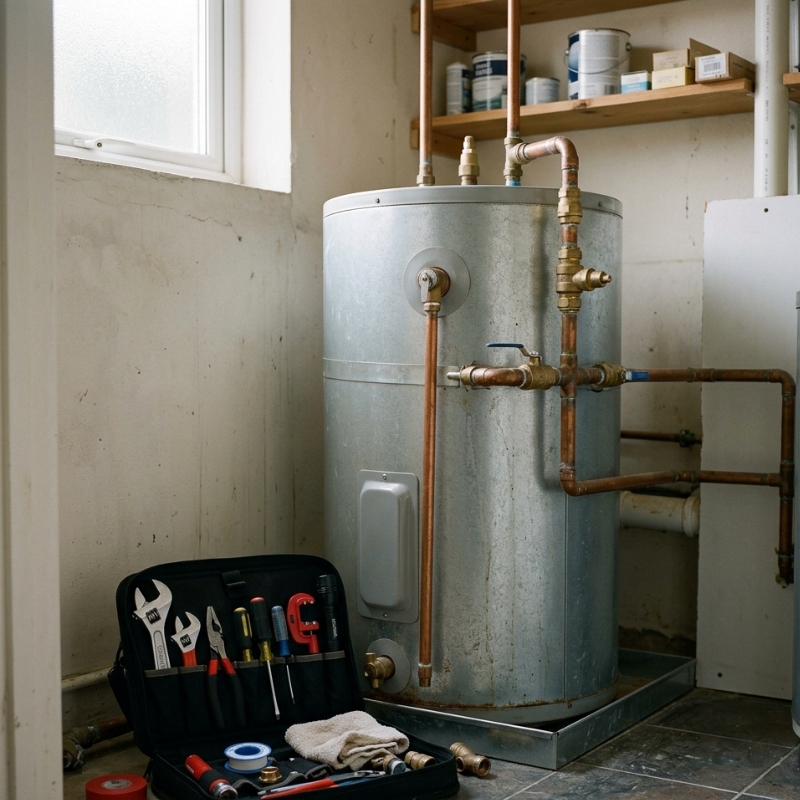
A sudden burst hot-water tank can release hundreds of litres in minutes—ruining flooring, gyprock and furniture long before you can reach the isolation valve. The good news? Water heaters rarely give way without dropping hints first. From strange rumbling sounds to subtle changes in water colour, these clues tell you the cylinder, valves or pipework are heading for trouble. Spot them early, and you can schedule repairs—or an orderly replacement—well before chaos strikes. If any of the red flags below crop up and quick checks don’t solve the issue, it may be time to look into professional hot water system support rather than waiting for a costly emergency.
1. Popping or Rumbling Noises From the Tank
Those loud popcorn-style bursts you hear after the burner or element kicks in usually point to sediment build-up at the bottom of the cylinder. Each time the water heats, trapped air bubbles force their way through the layer of mineral scale and debris, creating a rattling echo through the tank walls.
Why it matters
• Sediment acts like insulation, making your heater run longer and harder for the same result—pushing up energy bills.
• Excessive heat at the base can over-stress steel and weld seams, shortening tank life.
• In gas models, sediment can smother the flame path, leading to incomplete combustion and soot.
What to look for
• Noises are most obvious just after the burner fires or the element switches on.
• On gas heaters, the base or flue may look darker than usual from carbon deposits.
Safe first steps
• Flush a bucket of water from the drain cock; if it runs cloudy or gritty, that confirms sediment.
• Annual flushing is recommended, but if the tap is clogged shut, forcing it may jam the valve—time for a plumber.
2. Water Takes Longer to Heat or Runs Out Faster
Have you recently finished a shower feeling more like an ice bath than a warm escape? Longer recovery times suggest the heating elements are failing, the thermostat is inaccurate, or (again) sediment is insulating the water from the heat source.
Why it matters
• Struggling components draw extra power and add strain on wiring or gas valves.
• Consistent lukewarm delivery often precedes total element burnout or thermostat failure.
Safe first steps
• Check the circuit breaker or pilot light hasn’t tripped.
• Inspect the thermostat dial (many are behind a small access panel); avoid cranking it higher than 60 °C—overheating risks scalds and system stress.
• If the boost setting doesn’t help, schedule professional testing.
3. Rust-Coloured or Murky Hot Water
Discoloured water from the hot tap can stem from internal tank corrosion or rusting steel pipework. Sydney’s mix of older galvanised lines and newer copper runs means you need to isolate the source.
Why it matters
• Corroded steel inside the tank means the sacrificial anode is likely exhausted. Once that rod is gone, the cylinder walls corrode next.
• Rust flakes can clog aerators, valves and white goods.
Safe first steps
• Run the cold tap. If the water is clear, the issue is within the heater, not the mains.
• Remove and inspect the anode every five years (more often in hard-water suburbs like Penrith or Campbelltown). Replacing a $50–$100 rod can extend tank life by years.
4. Moisture, Drips or Rust Streaks Around the Base
Even the smallest seeping seam shouldn’t be ignored. Dribbles often evaporate before pooling, leaving only damp dust trails or rust streaks on the casing.
Why it matters
• Small leaks accelerate corrosion from the outside in.
• A compromised seam may rupture suddenly once internal pressure spikes.
Safe first steps
• Wipe the base and check again in an hour.
• Look for mouldy smells in the cupboard—another sign of slow leakage.
• If moisture returns, shut off the cold inlet and call a licensed plumber; welding a pressurised steel tank is not a DIY job.
5. Temperature & Pressure Relief (TPR) Valve Keeps Dribbling
A healthy TPR valve releases small spurts briefly as the water heats. Continuous trickles, however, mean excess pressure or a faulty spring.
Why it matters
• Sydney plumbing code requires TPR valves to keep pressure below design limits. A stuck valve can let pressure skyrocket; a failed spring may never close, wasting water and energy.
Safe first steps
• Lift and let go of the valve lever for a quick test—standing back to avoid scalds.
• If water continues flowing after two seconds, the valve needs replacement or the system is over-pressurising. Call a professional immediately.
According to the Energy.gov.au hot water guidance, homeowners should test TPR valves every six months and replace them every five years or sooner if they show continuous discharge.
6. Pilot Light Won’t Stay Lit (Gas Units)
A flame that keeps going out can indicate a dirty thermocouple, insufficient gas pressure or a failing gas control valve.
Why it matters
• Each failed ignition cycle allows unburnt gas to linger—a safety hazard.
• Repeated manual relighting strains components and suggests broader combustion issues.
Safe first steps
• Check for drafts around the heater cupboard.
• Inspect the flame colour—steady blue is healthy; yellow tips mean incomplete combustion.
• Never widen or adjust burner jets yourself; gas work requires a NSW-licensed technician.
7. Electrical Breaker Trips When the Element Fires
If your switchboard breaker snaps off each time the heater element kicks in, the element may be shorting or the thermostat may be failing to cut out at the set temperature.
Why it matters
• Repeated tripping degrades breakers and risks melted wiring inside the element flange.
• Overheating elements can bulge, crack or melt through the tank lining.
Safe first steps
• Reset the breaker once. If it trips again, leave it off.
• Avoid bypassing breakers “just for a hot shower”—they’re protecting you from fire risk.
8. Hot Water Smells Like Rotten Eggs
That sulphur smell often comes from bacteria reacting with the anode in glass-lined tanks—especially if the system is idle during Sydney’s warmer months.
Why it matters
• The odour may indicate stagnant water, raising Legionella risk in temperatures between 20 °C and 50 °C.
• Turning the thermostat up temporarily can kill bacteria, but strains old tanks.
Safe first steps
• Run hot taps for several minutes to flush stagnant water.
• If odour persists, flushing the tank and fitting a powered anode or aluminium/zinc alloy rod can minimise future smells.
9. The System Is Over 10 Years Old and Shows Two or More of the Above Signs
Age alone isn’t a fault, but most conventional tanks in Sydney last 8–12 years, depending on water quality and maintenance. If your label shows 2013 or earlier and you’re hearing rumbles or seeing rust, plan replacement before failure chooses the timetable for you.
Why it matters
• Older steel weakens under constant pressure cycling.
• Replacement at a convenient time avoids after-hours call-out fees and hurried brand choices.
Safe first steps
• Note the serial number; most manufacturers embed the build date in the first four digits.
• Start comparing efficient replacements (heat pump, gas continuous-flow or solar-boosted) while your current system is still working.
Quick Reference Table: Is It Minor, Manage It, or Call a Plumber?
Below is a fast guide you can keep on the fridge for that first hint of trouble.
| Issue | What It Often Means | First Check |
Recommended Next Step
|
| Popping noises | Sediment layer heating | Flush a bucket from the drain cock |
Monitor after flush; if noise returns, book service
|
| Rusty hot water | The anode is spent or the tank is corroding | Run the cold tap to compare |
Replace the anode or plan a new unit
|
| Constant TPR dribble | Valve worn or pressure high | Lift-test valve lever |
Replace valve; test pressure; call plumber
|
| Pilot won’t stay lit | Dirty thermocouple or gas fault | Clean dust around the burner |
Call a licensed gas fitter
|
| Breaker trips | Shorted element or wiring | Check for visible scorch marks |
Isolate power; book an electrician/plumber
|
| Rotten-egg smell | Bacterial reaction in the tank | Flush hot tap 5 min |
Flush tank, consider a powered anode
|
| Wet base seam | Seam corrosion | Pat dry and re-inspect |
Shut the inlet valve, arrange an urgent assessment
|
A printable PDF of this chart is available on many manufacturer websites; laminating one near the heater cupboard helps everyone in the household spot issues quickly.
What to Do When Several Warning Signs Appear Together
Discovering noisy operation and rusty water in the same week usually means the cylinder is on borrowed time. Here’s a calm action plan that avoids midnight disasters:
- Photograph the rating plate and leaks for warranty or insurance records.
- Turn the cold inlet tap clockwise to limit pressure overnight if leaks are active.
- Check the manufacturer’s hotline—some tanks over 10 years might still have pro-rated replacement coverage.
- Get at least two written quotes for replacement before choosing size or energy source.
- Ask the plumber whether the existing tempering valve, isolation valves and flue (for gas) meet current NSW code—upgrades add to job complexity, not just tank price.
No hot water at all? Have a read of what to do when there’s no hot water for step-by-step checks before you ring the after-hours number.
Common Mistakes Sydney Homeowners Should Avoid
- Ignoring the TPR valve: wedging the drain line shut to stop dripping only masks a pressure fault—risking an explosive failure.
• Cranking thermostats to the max: anything above 60 °C increases scald risk and accelerates metal fatigue.
• Mixing DIY parts: hardware-store valves not certified to AS 1357 may void warranty and homeowner insurance.
• Delaying minor repairs until “after winter”: corrosion accelerates in warm, moist cupboards.
• Forgetting annual anode checks in soft-water suburbs such as the North Shore—soft water can be more corrosive than hard.
Frequently Asked Questions
1. How often should I flush my water heater in Sydney’s water conditions?
Sediment levels vary across Greater Sydney, but flushing once a year suits most households. If you live in areas with harder water, such as parts of the Hills District, six-monthly flushing keeps mineral build-up under control.
2. Can I just replace the heating element instead of the whole tank?
You can if the cylinder is structurally sound and free of significant corrosion. However, when a tank is 8–10 years old, paying for new elements may only postpone replacement for a short time. A quick internal inspection through the element port helps you decide.
3. Are heat-pump water heaters worth the switch?
They use ambient air to heat water, cutting electricity use by 60–70 % compared with standard electric storage systems. Upfront costs are higher, but NSW rebates and lower running costs can give a 3–5 year payback for many Sydney homes.
4. Is discoloured hot water dangerous to drink?
Rusty water isn’t usually a health threat, but it can taste metallic and stain laundry. The bigger risk is internal tank corrosion, causing leaks. Use cold water for cooking and drinking while you investigate.
5. How long does a TPR valve replacement take?
A licensed plumber can usually drain a few litres, swap the valve and refill the heater within 30–45 minutes, provided shut-off valves operate correctly.
Final Thoughts
Water heaters tend to whisper before they scream. By paying attention to odd noises, colour changes, persistent drips or extended heat-up times, you can schedule repairs or a planned replacement on your terms—avoiding flooded floors and emergency call-out costs. When in doubt, a quick visual check backed by a licensed plumber’s assessment is far cheaper than water-damage restoration. Staying proactive keeps hot showers reliable, energy bills lower, and your Sydney home safe.

