









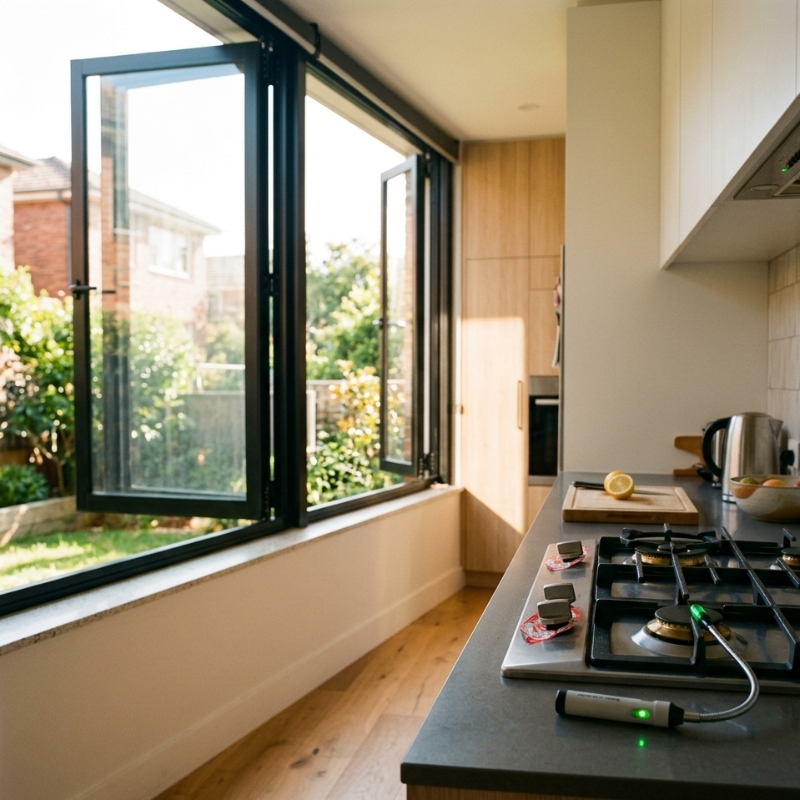
Is That Smell Gas? Early Warning Signs of a Leak in Sydney Homes (and What to Check Safely First)
A faint whiff of rotten eggs while you’re making a cuppa is enough to make any Sydney homeowner pause. In gas plumbing, natural gas and LPG are deliberately given a strong sulphur-like odour so you can spot trouble before it becomes dangerous. Yet every winter, Fire and Rescue NSW attends hundreds of call-outs where residents either dismiss the smell or take the wrong first step. This guide walks you through the earliest warning signs of a household gas leak, the quick but safe checks you can perform, and the red flags that mean it’s time to ring a licensed gas plumber in Sydney.
By the end, you’ll know how to act calmly, protect your family, and comply with NSW regulations—without turning your living room into a high-risk science experiment.
Why spotting a gas leak fast really matters in Sydney
Gas leaks rarely explode without warning, but they can escalate quickly if ignored. Sydney’s mix of older terrace homes, high-rise apartments and new builds means pipework ages at different rates, and flexible appliance connectors can crack sooner in coastal suburbs exposed to salty air. Add the city’s cooler winter evenings—when heaters, hot-water units and cooktops run for longer—and you have multiple ignition sources under one roof. Acting on the first hint of trouble can:
- Prevent fire or explosion if an ignition source is nearby
- Reduce the risk of carbon monoxide build-up in poorly ventilated rooms
- Save money on wasted gas that literally floats out the window
- Protect vulnerable family members who may not smell the leak (children, the elderly, anyone with a reduced sense of smell from a recent cold or COVID)
Ignoring the signs doesn’t just endanger your household; under NSW Fair Trading regulations, failing to maintain gas installations can void insurance claims after an incident.
What does a gas leak smell like? Understanding the odour additive
Pure natural gas has no smell. Energy suppliers add an odorant called mercaptan that gives gas its distinct “rotten egg” or sulphur smell. In small apartments, the odour can build fast, but in larger or breezy Sydney homes, it may disperse enough to become subtle.
If you catch a weak whiff that seems to come and go:
- Close the window briefly (if safe) and stand still. If the smell intensifies, treat it seriously.
- Check whether the aroma matches other household sources—some garbage bins, compost or sewer issues can mimic gas. When in doubt, assume it’s gas.
Early physical and environmental clues that point to a leak
Gas doesn’t just produce a smell. It also changes how flames burn and how appliances sound. Use the guide below to match what you notice with a safe first step.
Quick comparison table of common signs
| Sign to Watch | What It Might Mean | Safe First Check |
| Rotten-egg odour near the cooktop | Potential loose burner connection | Turn burners off, open a window, re-sniff after 60 seconds |
| A hissing sound from the pipe or the hose | Pressurised gas escaping | Do not touch; move away and ventilate |
| Yellow or orange burner flames | Incomplete combustion, possible obstruction or leak | Switch the appliance off, let it cool, and book a service |
| Pilot light keeps blowing out | Draft caused by a leak or a faulty regulator | Relight only once; if it fails again, turn the gas off at the meter |
| Higher gas bill with the same usage | Small continuous leak in the line or appliance | Conduct a bubble test on accessible joints |
| Feeling dizzy or nauseous indoors | Possible build-up of unburnt gas or CO | Go outside for fresh air; if symptoms ease, investigate the leak urgently |
| Plants wilting near the outdoor line | Gas in soil displaces oxygen | Check exposed pipework for corrosion or damage |
| Condensation on windows near the heater | Incomplete combustion produces water vapour | Review ventilation; schedule appliance service |
| Flames back-burn inside the burner | Leak altering the air-gas mix | Immediately shut off the appliance |
| Dust blowing when the appliance starts | A sudden gas surge through the line | Turn off and monitor for smell |
Why multiple small clues matter
Leaks often start as microscopic cracks in flexible hoses or joints. A faint smell today can become a loud hiss tomorrow if vibration, Sydney’s temperature swings or accidental knocks widen the gap. Treat clusters of minor clues as seriously as one major sign.
Safe first checks you can do (no tools required)
Before you grab a spanner, remember that NSW law allows only licensed gasfitters to alter pipework. These visual and listening checks keep you on the right side of safety and compliance:
- Ventilate the area
• Open doors and windows to disperse built-up gas. Avoid switching on mechanical exhaust fans until the smell weakens—the motor can spark. - Isolate appliances one at a time
• Turn off the suspect cooktop burner or hot-water unit. If the smell or hiss stops, you’ve narrowed down the source. - Inspect flexible connectors
• Look for kinks, rust patches or perishing rubber on hoses behind gas stoves and heaters. Do not bend or move them; visual only. - Check flame colour after ventilating
• Relight the burner briefly. Blue flame = normal. Persistent yellow or flickering orange means incomplete combustion—turn it off. - Do the 60-second bubble test (optional, if you have dishwashing liquid)
- Mix a little detergent in a spray bottle with water.
- Spray onto accessible joints; bubbles mean gas is escaping.
- Wipe the area, turn off the appliance and call the pros.
For in-depth shut-off and reconnection steps, see our guide on safely disconnect a gas appliance after you’ve confirmed the leak’s location.
What NOT to do when you suspect a leak
Mistakes during a gas emergency can make things worse. Steer clear of these common missteps:
- Don’t use matches or candles to “find” the leak—obvious, but still reported each year.
- Don’t switch on lights or power points while the smell is strong; tiny electrical arcs can ignite gas.
- Don’t pull out a gas stove to check the rear connector. Movement can tear an already-damaged hose.
- Don’t rely solely on a carbon monoxide alarm. CO is odourless and often accompanies but doesn’t replace leaked gas.
- Don’t ignore small leaks because “it’s only outside”. Outdoor gas accumulates in pits, drains and under decks on windless days.
When to call a professional (and who to contact first)
- Emergency? Dial 000. Fire and Rescue NSW crews are trained to secure the site and ventilate the area if an explosion risk is suspected.
- Turn off the main gas meter, if safe. Twist the lever so it’s perpendicular to the pipe.
- Notify your gas supplier. They can dispatch network technicians for mains-supply issues.
- Book a licensed plumber/gasfitter. Leaks on your side of the meter are a homeowner’s responsibility under NSW law. Save their licence number for insurance queries later.
Apex Plumbing Services’ team holds NSW Gasfitting endorsements and can pressure-test lines, replace faulty regulators and lodge compliance certificates after repairs—tasks that require specialised equipment and accreditation.
How Sydney regulations frame household gas safety
Under the NSW Gas and Electricity (Consumer Safety) Act, any alteration, installation or repair of gas systems must be completed by a licensed tradesperson who can issue a Certificate of Compliance. DIY attempts not only risk safety but can void appliance warranties and insurance. For detailed homeowner obligations, see the NSW Fair Trading gas-safety guidelines.
Key takeaways:
- Annual servicing is recommended for heaters and hot-water units.
- Flexible connectors in domestic kitchens should be inspected at least every five years.
- Unflued indoor gas heaters are banned in many apartments due to ventilation limits—check strata bylaws.
Preventive habits that lower gas-leak risk
- Schedule a professional yearly “pressure drop” test before winter.
- Keep storage boxes clear of gas meters and appliance vents.
- Replace ageing rubber hoses with braided stainless-steel lines where compatible.
- Teach all household members how to shut off the gas meter.
- Note gas line locations before any DIY drilling into walls or floors.
- Install a battery-operated gas detector in high-risk spots—near the cooktop and the indoor heater.
FAQs
1. How strong should the gas smell be before I worry?
Any noticeable rotten-egg odour that doesn’t disappear after brief ventilation warrants investigation. It’s safer to treat every smell as a potential leak than to guess its intensity.
2. Can I use soapy water on any part of the gas line?
You can apply soapy solution only to exposed, rigid sections and fittings you can reach without moving the appliance. Never spray inside burners or on hot surfaces.
3. Who pays for repairs if the leak is on the street side of the meter?
Leaks upstream of the meter are generally the gas network’s responsibility. Call your supplier; they will send a technician at no cost to you. Anything downstream (inside your property) is yours to fix.
4. Are LPG cylinder leaks handled the same way as natural gas?
Most safety steps are identical—ventilate, avoid sparks, and isolate the source. The main difference is turning off the cylinder valve instead of a mains meter tap.
5. My carbon monoxide alarm went off, but I can’t smell gas. Could I still have a leak?
Yes. CO is odourless and may indicate incomplete combustion rather than raw gas escaping. Switch off the appliance, ventilate, and arrange a service.
Final thoughts
A lingering rotten-egg smell, a hiss behind the cooker or an unexplained spike in your gas bill are all early red flags that deserve your full attention. By recognising these signs, performing the safe checks outlined above and involving a licensed professional when required, you’ll keep your Sydney home warm, efficient and—most importantly—safe. If the odour persists, the safest next step is to have the system tested and repaired by a qualified expert rather than hoping the problem “just goes away”.

