






Tempering Valve vs TMV: What the Difference Means
Every home needs hot water for daily use. However, it can be dangerous if you do not control the heating temperature. This is mostly common with children, elders and other vulnerable groups. Fortunately, hot water tempering valves alongside Thermostatic Mixing Valves (TMVs) provide perfect systems for such situations. These devices are different from one another but serve a common purpose of providing safe and pleasant hot water services. This inclusive guide about hot water tempering valve vs TMV lets you explore the key differences and investigate their operations, main disparities and certain issues to take into account which one keeps you safe. But, before diving into what sets them apart, here’s a quick rundown of both thermostats and TMVs. What they are and how they work, you know?
What a tempering valve does
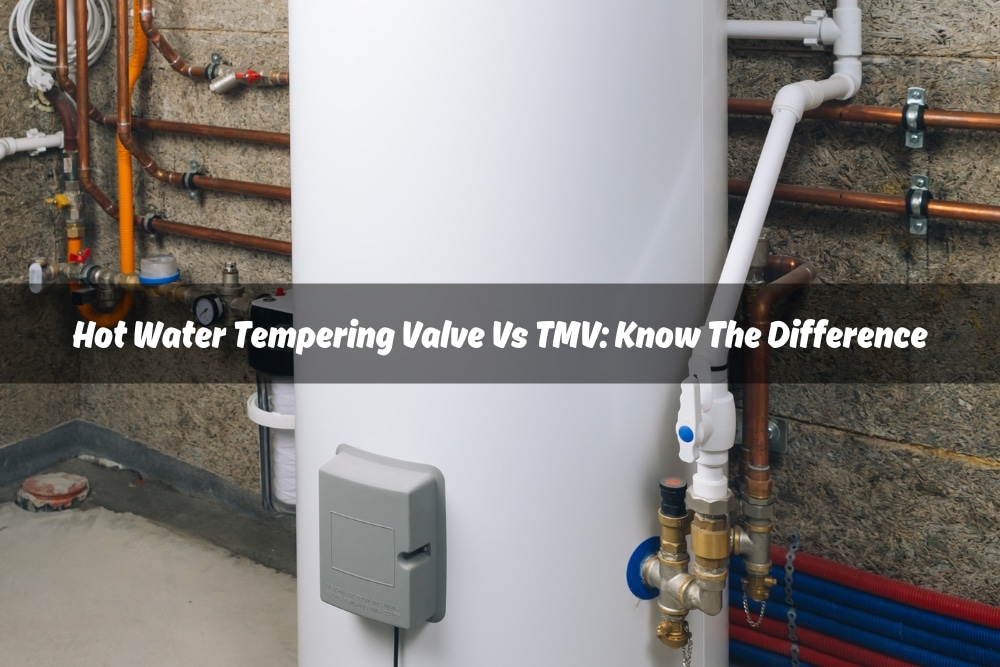
A Hot Water Tempering Valve is made to mix cold and hot water to guarantee that the water coming out from your taps is safe and can be used comfortably.
How It Works
You can manage the water temperature manually in household settings by controlling the valve that regulates the ratio of hot and cold water for water temperature stabilisation. This hot water system is meant to keep injury away by using water that has been reached at high temperatures.
What is a TMV (Thermostatic Mixing Valve)?
A thermostatic mixing valve (TMV) is like a fancy switch for your hot water. It’s way smarter than a regular tempering valve. In TMVs, water temperature is very accurately kept by the combination of cold and hot water with special safety facilities.
How It Works
TMVs guarantee consistent temperature by making real-time adjustments of hot and cold water mix using thermostats, even if water pressure or temperature changes. Consequently, these systems are suitable in places like hospitals which require stringent control over the temperature of water.
The key differences
Although both tempering valves and TMVs do deliver hot water safely, it is important to understand their main differences to make a proper choice:
- Temperature control: Tempering valves offer a basic level of scald protection with a pre-set temperature (typically around 50-55°C (122-131°F), while TMVs provide precise temperature control within a tighter range (typically +/- 1°C (1.8°F).
- Response time: Hot water tempering valves react to pressure changes, while TMVs react directly to temperature changes. TMVs generally have a faster response time to temperature fluctuations.
- Complexity: Tempering valves are simpler in design and functionality compared to the thermostatic element in TMVs, which is more sophisticated.
- Cost comparison: Hot water tempering valves are also generally more budget-friendly than TMVs, keeping things easy on your wallet too.
- Safety features: TMVs come with built-in safeguards that can shut off the water if the cold supply goes out, preventing a scald injury. Tempering valves are simpler and may not offer such advanced safety mechanisms.
- Maintenance: Both require minimal maintenance, but TMV may require occasional calibration or service due to their more complex design.
- Purposes and applications: Tempering valves are suitable for basic domestic hot water applications, while TMVs are often mandated in high-risk environments like hospitals, aged care facilities, and childcare centres.
- Regulatory standards and compliance: For tempering valves, gotta make sure they meet ASSE 1017. And don’t forget to check your local rules too. For those thermostatic mixing valves (TMVs), there are a few standards to consider: ASSE 1016, ASME A112.1016, and CSA B125.16. Same goes for checking local regulations.
Conclusion
Choosing between a tempering valve and a TMV depends on your specific needs. Both offer protection against scalding and ensure comfortable bathing temperatures. However, when it comes to tempering valve vs TMV, there are key differences to consider.
Understanding their functional difference, level of protection from burns in each case and appropriateness in diverse situations provides guidance when making decisions concerning these devices. To pick the right water temperature control, consider your budget, application and safety needs.
When in doubt, tempering valve replacement Sydney can provide valuable advice and ensure you have the appropriate hot water safety measures in place.

