






Is Annual Testing of Backflow Prevention Devices Crucial?
If you own or manage a commercial, industrial or strata property in Sydney, backflow testing is one of those obligations that is easy to overlook until a reminder lands. It protects the drinking water supply, and for many properties it is a legal requirement rather than a nice-to-have.
So is annual testing really crucial, or is it something you can let slide? For the properties it applies to, the short answer is that it matters, both for safety and for compliance. Here is who has to test, how often, and who is actually allowed to do it in Sydney.
Who is legally required to test a backflow prevention device in Sydney?
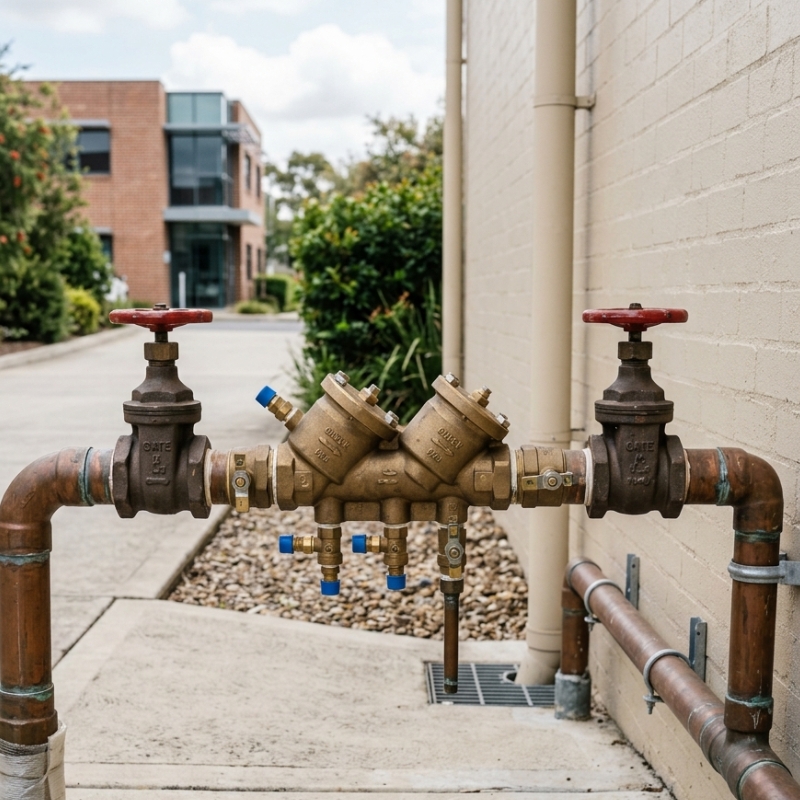
Backflow prevention devices stop contaminated water from flowing back into the drinking water supply, and properties that carry a higher risk are the ones required to have them tested. That typically covers commercial and industrial sites, strata and multi-tenant buildings, and premises with equipment or processes that could pose a hazard to the water supply. Residential homes with a standard supply usually sit outside this.
If your property falls into that group, testing is generally required each year. When you have had a notice or you know a test is due, you can book your annual backflow testing with Apex and have it handled correctly.
How often testing is required and what happens if you miss it
As a rule, testable backflow prevention devices need to be tested once a year, and the results submitted to the relevant authority. Sydney Water sets out the backflow prevention requirements for properties connected to its network. Missing that window puts you out of compliance, and you can expect follow up to bring the property back into line. Beyond the paperwork, a device that has not been checked may not be working as intended, which is the real reason the annual cycle exists.
Sometimes a test shows the device itself needs attention rather than just certifying. If a device fails or needs work, our backflow prevention service covers repair and installation so you can get back to compliant.
What an accredited backflow test involves
A backflow test has to be carried out by a plumber who is licensed and accredited to test backflow, not just any tradesperson. The tester checks the valves and working parts of the device, confirms it is holding as it should, and lodges the results with the relevant authority. It is usually a quick job on the day, but the accreditation and the correct lodgement are what make it count.
Getting those two things right is where properties often slip up. Apex uses accredited testers, so your annual test is completed and lodged correctly the first time.
Testing for strata, commercial and multi-tenant properties
Larger sites bring their own challenge, since a single building can have several devices to track, each with its own due date. For strata managers and commercial owners, the practical issue is keeping on top of the schedule and the reporting across the whole property rather than any one test. That is where a plumber who can manage the lot in one visit saves a lot of chasing.
| Property Type | Common Challenge | What Needs Tracking | Practical Benefit |
| Strata properties | Multiple units and shared areas may have separate devices and due dates | Test dates, device locations, results and reports | Keeps compliance records organised across the whole complex |
| Commercial properties | Larger premises can have several devices across different areas | Testing schedules, results and maintenance requirements | Reduces the need to coordinate multiple visits |
| Multi-tenant properties | Tenants may occupy different areas with different access requirements | Device access, test dates, results and documentation | Makes testing easier to coordinate with tenants and building managers |
| Large or mixed-use sites | Many devices can make individual testing difficult to manage | Site-wide testing history and upcoming due dates | A single coordinated visit can simplify scheduling and reporting |
If your building has more than one device to keep compliant, talk to Apex and we will organise the testing and the paperwork for you.
Frequently asked questions
Is annual backflow testing mandatory?
For properties that carry a testable backflow prevention device, generally the higher-risk commercial, industrial, strata and multi-tenant premises, annual testing is a requirement. The specifics follow current Sydney Water requirements, so it is worth confirming what applies to your property.
Who has to test backflow devices?
Owners and managers of properties with a testable device are responsible for having it tested each year. That usually means commercial, industrial, strata and multi-tenant buildings rather than standard residential homes.
What happens if I do not test my backflow device?
You fall out of compliance and can expect follow up to put it right, and an untested device may not be protecting the water supply as intended. Rather than risk it, the safe move is to keep the annual test current.
Who can perform a backflow test in Sydney?
Only a plumber who is licensed and accredited to test backflow can carry out the test and lodge the results. Using an accredited tester is what makes your test valid and correctly recorded.

