





Heat Pump Hot Water in Sydney: How the 2026 Rebates Work and What You Can Expect to Pay
When an old gas or electric hot water unit starts to fail, plenty of Sydney homeowners look straight at a heat pump for the replacement. Running costs and rebates are usually the reason, and both are worth understanding before you commit.
This guide covers how a heat pump hot water system works, how the 2026 rebates in New South Wales fit together, and what you can realistically expect to pay once those rebates are taken off. Where the numbers depend on your specific system, we will say so rather than guess.
How a heat pump hot water system works and why Sydney homes are switching
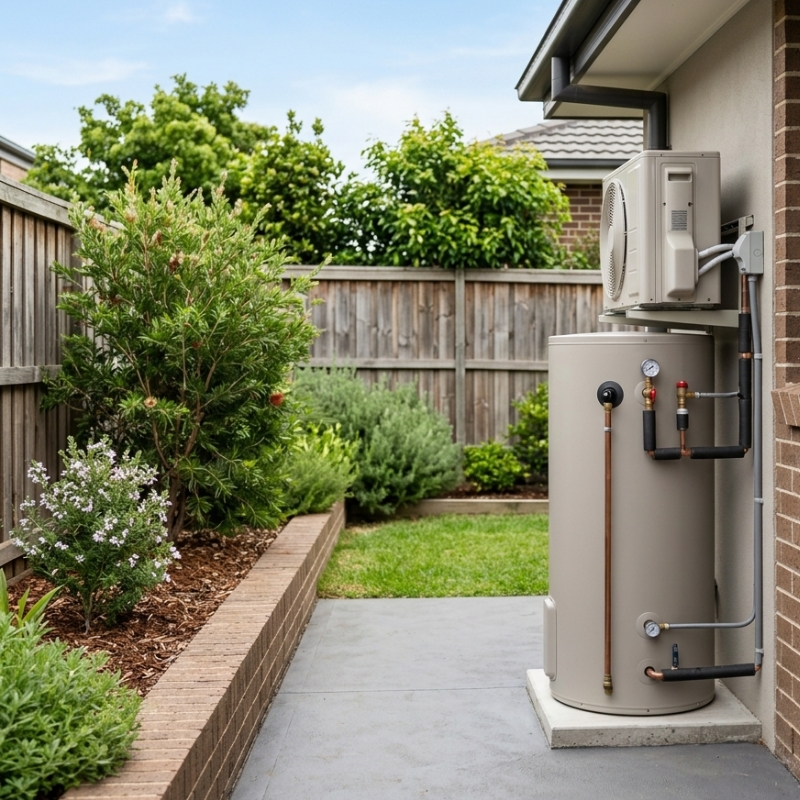
A heat pump hot water system works a bit like a fridge or an air conditioner running in reverse. Instead of using an electric element to heat the water directly, it pulls warmth out of the surrounding air and uses that to heat the tank, which takes far less electricity for the same hot water. Sydney’s mild climate suits the technology well, since there is usable warmth in the air for most of the year.
That efficiency is the main reason households are making the switch as their old unit reaches the end of its life. When you are ready to size and book one, our hot water systems team can match the right unit to your home and hot water demand.
What rebates and incentives are available in 2026
In New South Wales there are two separate schemes, and the good news is that they usually stack on the same job. The first is federal, the Small-scale Technology Certificates created under the Small-scale Renewable Energy Scheme. The second is the state run Energy Savings Scheme, delivered for water heating through the NSW Government’s hot water upgrade incentive. Both are delivered as an upfront discount off your installed price by an accredited installer, so you are not filling in forms and waiting for a cheque later.
A couple of points are worth knowing. The federal certificate value steps down each January as the scheme winds toward its end later this decade, so installing sooner generally locks in a larger discount. To qualify, the system needs to be on the approved product list, the installer needs to be accredited, and the state scheme generally looks for a minimum five year warranty on the major components. The schemes are built around replacing an existing electric storage system, so if you are moving off gas it is worth confirming your eligibility first.
Because the exact dollar value shifts with your system, your certificate zone and the current market price of certificates, we are not quoting a fixed figure here. The reliable way to see the real number is on your quote, where both discounts are applied and shown.
What you can realistically expect to pay after rebates
The total installed cost of a heat pump depends on the unit you choose, the site, any electrical work, and how straightforward the changeover is from your old system. Once the two rebates come off, your out-of-pocket figure drops noticeably, which is what makes the switch appealing for many households. Ranges you see online are only a starting point, since none of them know your home.
The only figure that means anything is one built around your actual install, so it is worth getting that pinned down early. You can arrange a quote with Apex in a couple of minutes and see the real cost after rebates for your place.
Is a heat pump right for your home, or is gas still the better fit
Heat pumps suit most Sydney homes, but not every one. The outdoor unit needs a spot with reasonable airflow and a bit of clearance; it makes some noise while running, and a few households simply prefer to stay on gas for their own reasons. It is a genuine choice rather than a foregone conclusion, and the right answer depends on your space and your priorities.
| Factor | Heat Pump | Gas Hot Water |
| Best for | Homes wanting lower running costs and improved energy efficiency | Homes already set up for gas and wanting familiar technology |
| Installation space | Needs outdoor space with good airflow and clearance | Requires suitable gas connections and ventilation |
| Noise | Outdoor unit produces some operating noise | Generally quieter during operation |
| Running costs | Usually lower, depending on electricity tariffs and system efficiency | Can be competitive where gas is readily available and affordable |
| Energy efficiency | High, as it transfers heat rather than generating it directly | Lower, as gas is burned to heat the water |
| Existing setup | May require changes to electrical supply and plumbing | Easier if the home already has a suitable gas connection |
| Sydney climate | Well suited to Sydney’s generally mild climate | Works reliably across Sydney’s seasonal conditions |
| Key consideration | Outdoor unit location, airflow, noise and upfront cost | Gas availability, ongoing energy costs and installation requirements |
| Overall fit | A strong option for households prioritising efficiency and long-term savings | May suit households that prefer gas or already have suitable infrastructure |
If gas turns out to be the better fit for your situation, that work has to be done properly, and our licensed gas plumber can handle a gas hot water replacement safely and to compliance.
Frequently asked questions
How much does a heat pump hot water system cost in Sydney?
It varies with the unit, the site and any electrical work, and the two rebates bring the figure down further. Because the rebate value depends on your system and certificate prices at the time, the accurate number is the one on your quote.
What rebates can I get on a heat pump hot water system?
In New South Wales, you can generally access two schemes that stack, the federal Small-scale Technology Certificates and the state Energy Savings Scheme. Both are applied as an upfront discount by an accredited installer rather than claimed back later.
Are heat pumps worth it compared to gas?
For many households, the lower running costs and the available rebates make a heat pump worthwhile, but space, noise and your existing setup all matter. It is worth weighing both options for your specific home rather than assuming one is always better.
How much can I save on running costs?
A heat pump uses significantly less electricity than a standard electric storage system to deliver the same hot water, which is where the running-cost saving comes from. The exact saving depends on your usage, your tariff and the unit, so treat any single figure with care.

