







Grease in Cold Pipes: How Winter Cooking Leads to Kitchen Sink Blockages in Sydney Homes
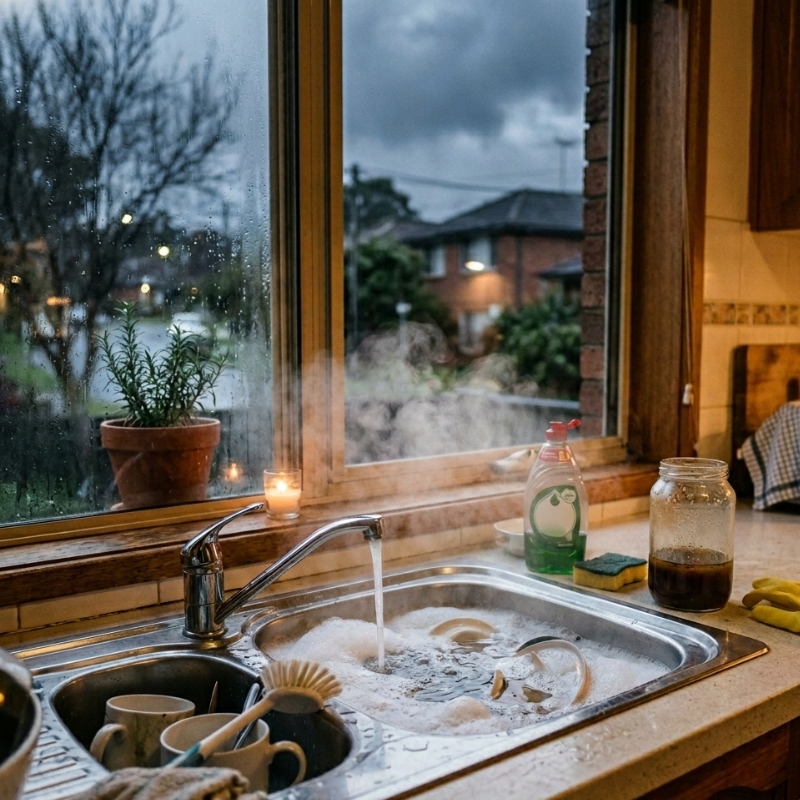
When the temperature drops in Sydney, we swap salad nights for slow-cooker stews, Sunday roasts and extra cups of hot chocolate. All that delicious comfort food leaves more fat, oil and grease on pots, pans and plates. Tip those leftovers down the sink, and the colder water in winter does its worst: grease solidifies faster, sticks to pipe walls and traps food scraps on its way past, often leading to blocked drains. Over a few chilly weeks, the slick turns into a stubborn plug that can back up water and send unpleasant smells through the kitchen.
A quick plunge might clear a summer-time blockage, but winter fats cling like glue. Understanding why it happens helps you dodge a messy clean-up and the expense of a plumbing call-out. Below, we break down the science, the warning signs, and the simple habits that protect your pipes. If your sink is already slow and you can hear that tell-tale gurgle, Sydney homeowners can always turn to professional help for blocked drains before the problem worsens.
1. Why Grease Hardens Faster in Winter Water
Grease isn’t just one substance. It’s a mix of animal fats, cooking oils, butter and sauces that behave differently at lower temperatures. In summer, warm pipe walls and higher ambient heat keep small residues semi-liquid so they flush away more easily. Winter changes the equation:
| Factor | Warm-Weather Pipes | Winter-Weather Pipes |
| Water temperature | Stays above 20 °C on most days | Often drops below 15 °C, especially in uninsulated lines |
| Grease behaviour | Remains runny for longer, disperses in the flow | Solidifies quickly, forming sticky plaques |
| Flow velocity | Slightly faster due to lower water density | Marginally slower, allowing more contact time |
| Outcome | Thin film rinses away | Thick build-up traps food particles |
Solidified grease is hydrophobic, meaning it repels water. Once a thin layer sticks to PVC or copper, each rinse cycle adds a fresh coat. Over time you end up with pipework that resembles a clogged artery.
Local tip: Sydney’s older terrace houses feel it most
Many Inner-West and Eastern Suburbs terraces have long, narrow waste lines that cool rapidly in winter. If your kitchen is at the back of a single-brick home with pipes running under an exposed floor, your risk of rapid grease build-up is higher.
2. Everyday Cooking Habits That Speed Up Winter Blockages
You don’t need a deep fryer to cause a clog. These five common winter habits load extra fats into household drains:
- Slow-cooker broths skimmed straight into the sink.
- Pouring leftover roasting-pan juices down the drain instead of into a container.
- Rinsing creamy pasta sauce off plates with cold water.
- Scrubbing greasy frying pans without wiping them first.
- Using a sink-mounted food grinder (InSinkerator) without running hot water long enough.
Each habit leaves a thin fatty film. In cold pipes, that film behaves like flypaper for breadcrumbs and coffee grounds. By early August, the pipe bore can be reduced by 30 % or more, creating the perfect choke point at bends and junctions.
3. Early-Winter Warning Signs Your Sink Is About to Block
Recognising symptoms before water stops draining altogether can save you time and money.
| Warning Sign | What It Usually Means | Suggested Action |
| Slow draining after dinner clean-up | Light grease build-up restricting flow | Flush with very hot water, detergent and follow the prevention tips below |
| Gurgling sounds in the evening | Air pockets forming behind partial blockage | Check trap for food debris, consider mild DIY clean |
| Sour or rancid smell despite a clean sink | Trapped fat decomposing on pipe walls | Flush with baking soda and vinegar, avoid harsh chemicals |
| Water pooling in the dishwasher base | Shared waste line starting to back-up | Inspect and clear filters, monitor closely |
| Reflux of grey water when washing machine drains | Serious restriction further down the line | Arrange CCTV inspection, likely professional clean |
Persistent or worsening signs mean the blockage is hardening. At that point, chemical drain cleaners can do more harm than good, and boiling water can warp PVC joints. A qualified plumber can use hydro-jetting or mechanical augers without damaging the pipe.
4. DIY Winter-Safe Methods for Minor Grease Build-up
Before you reach for a store-bought caustic cleaner, try these gentler options. They work best in early stages and are kinder to Sydney’s wastewater system.
The Hot Detergent Flush
- Boil a full kettle.
- Squirt two tablespoons of dishwashing liquid into the waste outlet.
- Pour half the kettle slowly, wait 30 seconds, then pour the rest.
- Run the tap on hot for two minutes.
Why it helps: Detergent emulsifies fats, while hot water loosens the film without exceeding PVC temperature ratings.
Baking Soda and Vinegar Fizz
- Tip half a cup of bicarb soda into the drain.
- Follow with one cup of white vinegar.
- Plug the hole and wait five minutes.
- Rinse with very hot tap water.
Why it helps: The fizz dislodges light debris and neutralises smells.
Manual Trap Clean
- Place a bucket under the U-bend.
- Unscrew the trap by hand or with adjustable pliers.
- Clear grease and debris, then re-fit firmly.
- Run water to check for leaks.
Why it helps: Many blockages start in the first 30 cm. Clearing the trap can restore full flow quickly.
If you notice recurring grease after each DIY session, the build-up is likely further along the line and needs professional tools.
5. Mistakes to Avoid With Cold-Weather Clogs
- Pouring boiling water from a stockpot straight down the sink – sudden heat can warp PVC waste pipes.
• Mixing caustic soda with vinegar – the reaction can cause pipe-corroding heat and toxic fumes.
• Forcing a metal hanger down the drain – scratches inside the PVC become future snag points for debris.
• Using a plunger on a half-full sink that still contains hot fat splashes can cause burns.
Following the wrong forum advice might make things worse or breach Sydney Water regulations on trade waste discharge.
6. Long-Term Prevention: Simple Habits for Grease-Free Winter Pipes
Good habits beat emergency fixes. Adopt these:
- Wipe pans with a paper towel before washing.
• Collect fats in a screw-top jar; place it in household rubbish when full.
• Run hot water for 30 seconds after washing up greasy dishes.
• Install a fine stainless-steel sink strainer to catch food scraps.
• Book an annual winter pipe flush if your home has a history of blockages.
Sydney Water urges residents to bin cooking fats rather than drain them to avoid “fatbergs” in sewers. Their Sydney Water advice explains how grease blockages contribute to overflows that harm local waterways.
7. When DIY Isn’t Enough: Professional Solutions Explained
If grease has travelled beyond the trap and hardened, plumbers use specialised gear:
| Technique | How It Works | Typical Use-Case | Benefits |
| Hydro-jetting | High-pressure water (up to 4,000 psi) scours pipe walls | Thick grease layers, small tree-root incursions | Clears & polishes pipe interior without chemicals |
| Electric eel / drain snake | Rotating cable with cutting head bores through blockage | Localised solid plugs | Fast for single-bend obstructions |
| CCTV inspection | Waterproof camera pinpoints blockage type & location | Recurrent clogs, suspected pipe damage | Avoids guesswork, maps repair plan |
| Pipe relining | Resin sleeve seals damaged sections | Cracked or corroded pipes post-clear | No excavation, long-term fix |
Cost isn’t the only factor
Access, pipe material, blockage length and whether damage is discovered all affect job complexity. Ask for camera footage so you understand the condition of your line before approving extra work.
8. Related Reading
Want broader tips that apply all year round? Check out why kitchen sinks keep blocking in Sydney homes for a deeper dive into everyday habits and prevention strategies.

