







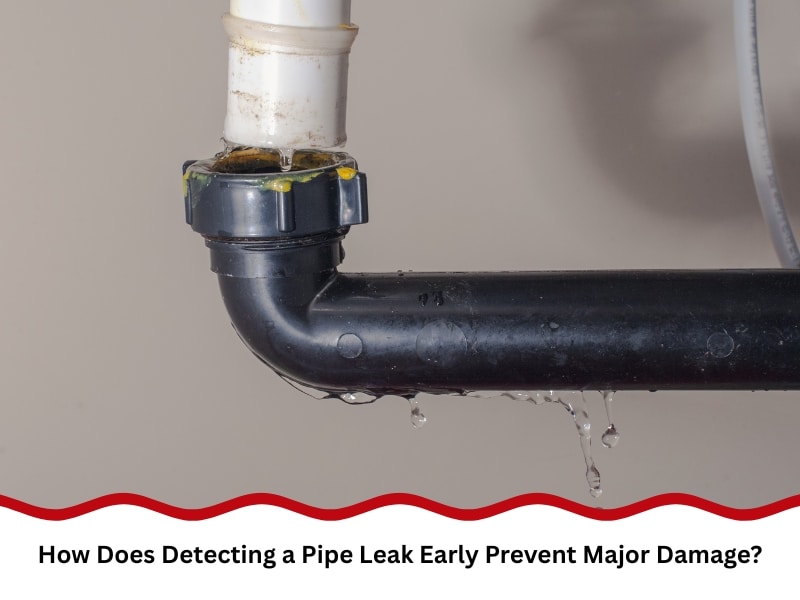
How Does Detecting a Pipe Leak Early Prevent Major Damage
Water damage often starts small and spreads quietly. A slow drip can warp timber, stain ceilings, and trigger mould. Sydney’s weather can hide symptoms as damp patches dry out, then return. Over time, moisture moves and repair costs climb. Staying alert and acting early reduces disruption and expense. This article explores detecting pipe leak signs, practical prevention, and when professional help makes financial sense.
What signs suggest you might have a hidden pipe leak?
Hidden leaks rarely show up as a sudden puddle. They leave clues that build over days or weeks. If you track small changes and compare them with your usual water use, you can catch problems before they escalate. It’s worth checking areas you don’t often inspect, such as the back of cupboards and ceilings above bathrooms. Here are the signs to watch for:
- Unexplained usage spikes and lower water bills slipping away despite unchanged routines or household size recently.
- Persistent musty odours after warm days, especially in closed rooms or back corners of cupboards at night.
- Staining, bubbling paint, or hairline cracks spreading across ceilings or cornices that slowly reappear after drying out.
- Damp, warm slab patches underfoot and tile grout darkening, particularly near bathrooms, laundries, or kitchens, over weeks.
Even with careful checks, the source can stay hidden. Leaks often travel along framing and show up far from where they start. If you’re seeing early symptoms but can’t find the cause, consider reliable plumbing solutions for detecting pipe leaks. Focus on certainty rather than guesswork—accurate diagnosis prevents small issues from becoming major repairs. After any fix, track moisture levels for a week to confirm the result.
Why do homeowners often overlook detecting a pipe leak early?
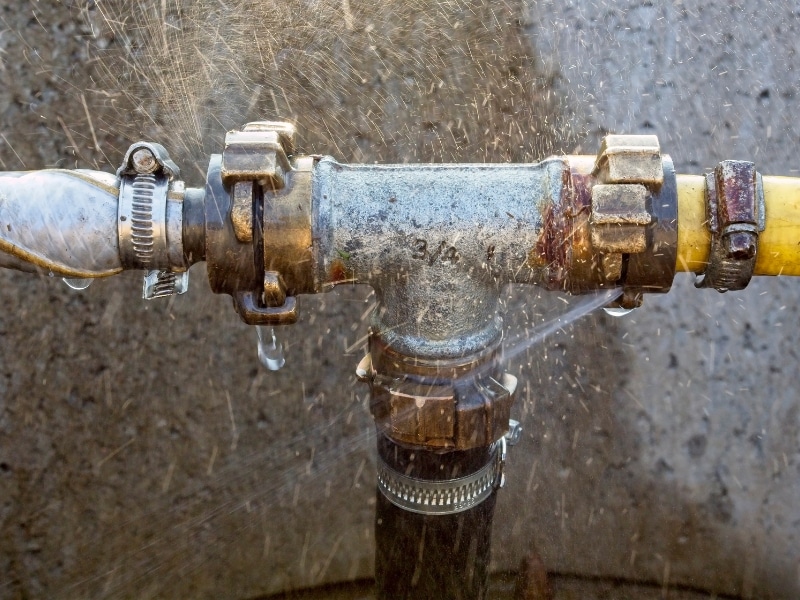
It’s common to dismiss small damp spots or odours, especially when they come and go. Warm breezes can dry surfaces, and a quick wipe makes marks vanish. However, repeated signs in the same place often suggest a persistent leak. Storms can also shift attention to the roof when a pressurised pipe is the real issue. Here are the common reasons early signs get missed:
- Seasonal humidity makes marks appear and then disappear, confusing the cause and delaying checks or verification efforts.
- Tenants rotate or rooms remain unused, so gradual changes pass unnoticed until damage becomes obvious to everyone.
- DIY patches hide symptoms briefly, then the problem returns, creating false confidence and postponing proper diagnosis.
- Busy routines push home maintenance down the list, limiting inspections and records that reveal repeating patterns.
Simple routines help. Log your meter at the same time each week. Photograph suspicious areas monthly. Compare quarterly bills to spot trends. If you notice metallic smells or tap discolouration, the causes and warning signs of rust forming inside household pipes can explain what’s happening and when to act. Corrosion progresses quietly and can fail without much warning, so an early check is worthwhile.
Could ignoring small leaks lead to costly structural damage?
Yes. Water follows gravity and capillary paths, soaking materials as it moves. Insulation can collapse, timber can swell, and plaster can lose strength. Moisture also encourages mould growth, which affects air quality and comfort. Left unchecked, you may need to replace ceilings, flooring, and cabinetry, not just a section of pipe. Here are the hidden costs that add up:
- Framing timber swells, causing warped doors, popped screws, and higher mould risk in bedrooms and wardrobes.
- Insulation slumps and loses R-value, lifting heating and cooling costs while trapping moisture against framing materials.
- Flooring, skirting, and cabinetry wick moisture, shortening service life and encouraging hidden decay or delamination over time.
- Electrical corrosion introduces shorts and fire hazards rather than safer systems, risking outages and expensive remediation.
| Leak Duration | Likely Damage |
| 1–2 weeks | Damp staining, odour |
| 1 month+ | Mould patches, peeling paint |
| 6 months+ | Rotting structure, flooring damage |
Reducing overall consumption makes leaks easier to spot against a lower baseline. Start with simple methods that help save water efficiently. Lower pressure on the network, fewer running fixtures, and mindful use often reveal abnormal patterns faster.
What preventive steps stop future leaks from recurring?
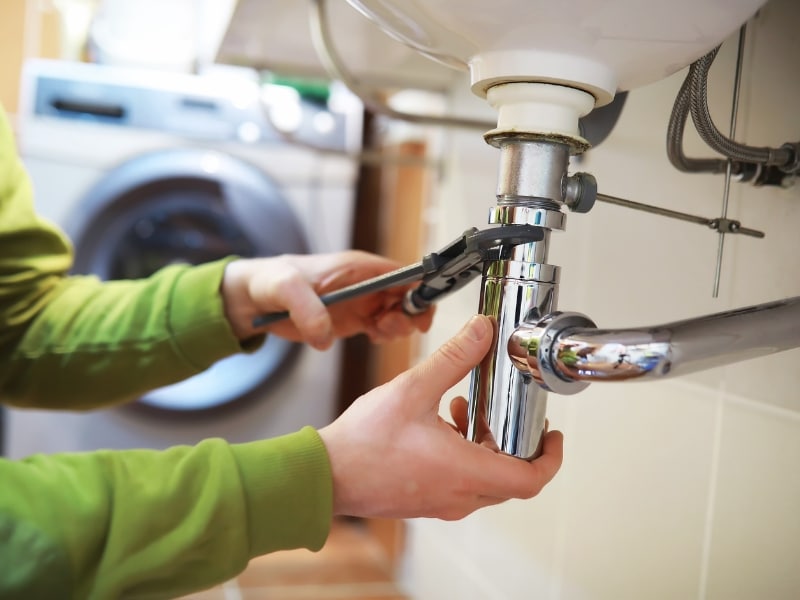
Prevention limits stress on fittings and joints. It also reduces the chance of sudden failure. Small changes to maintenance and habits can make a noticeable difference. Plan routine checks before seasonal extremes, when hot and cold fluctuations stress lines and fixtures. Here are the practical steps that pay off:
- Schedule annual checks in wet areas: under sinks, behind toilets, the laundry, and outdoor taps
- Replace fatigued flexi-hoses every five years; choose stainless braided, WaterMark-approved units
- Insulate hot lines to reduce thermal cycling and shorten appliance lifespan caused by stress
As your plan matures, align detection tools with your home’s layout—choosing the right leak detection approach for your home helps avoid unnecessary wall cuts and misdiagnosis. Keep a simple diagram of pipe routes if available; it speeds up inspections and future work.
Can professional plumbers detecting pipe leaks save you money long term?
Specialists combine multiple techniques to locate leaks accurately. They use pressure testing, acoustic listening, thermal imaging, and tracing to narrow the search. This reduces disruption and accelerates repairs. It also supports better decisions about what to replace now and what to monitor. Here are the ways professionals cut total costs:
- Non-destructive testing narrows the search area, preserving finishes and stronger property value through limited patching
- Accurate diagnosis leads to one targeted repair instead of repeated visits
- Calibrated gear separates hot-line sounds from stormwater noise
- Post-repair verification confirms the leak is fixed and not relocated
Targeted diagnostics protect finishes and reduce repainting and patching. Over a year, precision repair usually costs less than repeated exploratory work. If your home has mixed-age pipework, a staged plan can prioritise high-risk sections first so costs are spread and risk is reduced. That way, you avoid reduced painting costs turning into a larger project later.
Final thoughts on preventing serious damage from unnoticed leaks
Bring the elements together: watch for small signs, act early, and select detection methods that match your home. Timely decisions protect health, finishes, and structure while reducing downtime. For a calm, methodical path that suits your needs, discover how Apex Plumbing Services can help solve ongoing leak issues with care.

